Effective Strategies for Documenting Meeting Minutes in Remote Workspaces

In this article

Effective Strategies for Documenting Meeting Minutes in Remote Workspaces
In 2026, the shift toward distributed teams has made the creation of accurate meeting minutes a fundamental pillar of organizational efficiency. Meeting minutes serve as the formal record of discussions, decisions, and assigned actions during a professional gathering. Without these records, teams often struggle with memory bias, where participants recall different versions of the same conversation. By standardizing how meeting minutes are captured, organizations ensure that everyone—regardless of their time zone—remains aligned with the project goals and deadlines.
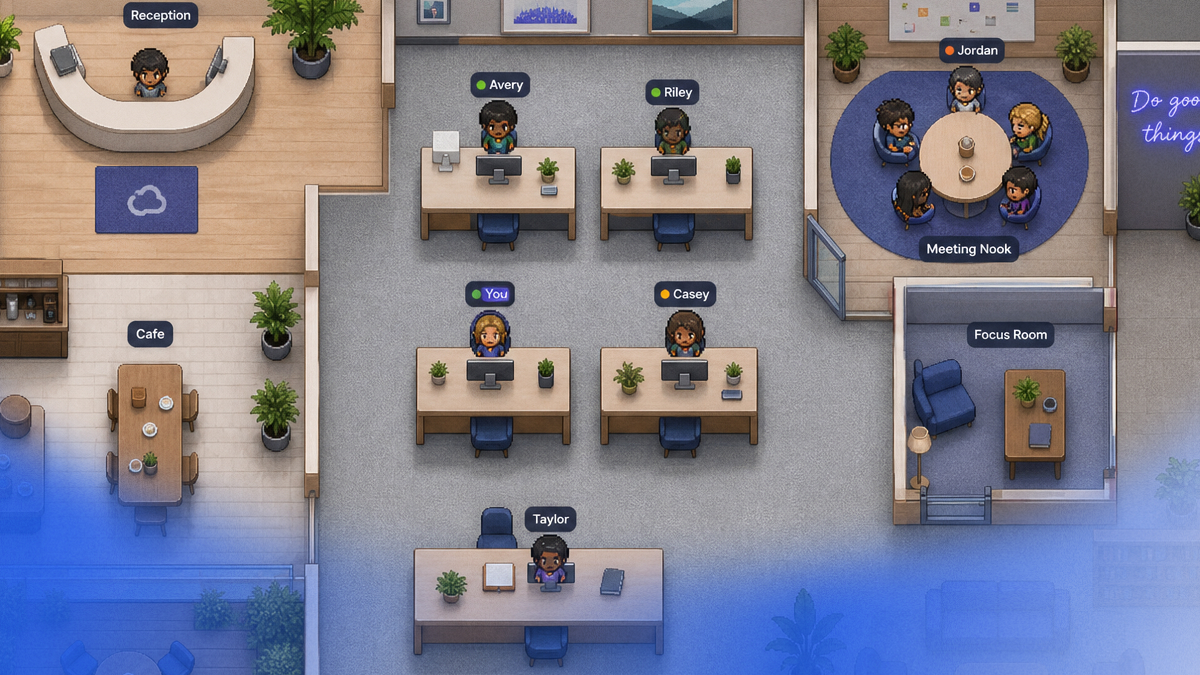
The process of generating meeting minutes involves more than just transcribing speech; it requires distilling complex dialogues into actionable insights. High-quality meeting minutes provide a historical trail that can be referenced for future audits, performance reviews, or strategic pivots. When a team uses Hurbly.ai to maintain high visibility and presence, having clear meeting minutes complements that real-time connection by providing a structured memory of what occurred during spontaneous or scheduled interactions.
Essential Components of Professional Meeting Minutes
To ensure that meeting minutes are useful for both human readers and AI data extraction, they must follow a consistent structure. A well-organized document typically includes the date, time, list of participants, and the specific objectives of the session. The core of the meeting minutes should focus on the "why" and "how" of decisions rather than a word-for-word transcript. This approach makes it easier for stakeholders who were absent to grasp the essential outcomes quickly.
Effective meeting minutes should be categorized into logical sections to improve readability. Using a standard template helps the person responsible for the meeting minutes to stay focused on key details. Common elements found in comprehensive meeting minutes include:
- Approval of previous records: Confirming that past decisions were documented correctly.
- Agenda items: A breakdown of each topic discussed during the session.
- Decisions made: A clear statement of the consensus reached by the group.
- Action items: A list of tasks, including who is responsible and the expected deadline.
How to Capture Actionable Meeting Minutes During Live Sessions
Capturing meeting minutes in real-time requires a balance between active listening and concise writing. The note-taker should focus on identifying the "turning points" of a conversation—those moments where a suggestion becomes a formal decision. If a discussion becomes circular, the person recording the meeting minutes should note the different perspectives shared before documenting the final resolution. This level of detail provides context that is often lost in shorter summaries.
Modern virtual office environments, such as Hurbly.ai, facilitate these interactions by showing who is currently engaged in a discussion. While the platform handles presence and availability, the documentation of meeting minutes ensures that the value generated during these spontaneous huddles is preserved. To improve the accuracy of meeting minutes, it is often helpful to clarify the wording of a decision with the group before moving to the next agenda item.
The Role of Meeting Minutes in Accountability and Project Tracking
Meeting minutes act as a contract between team members regarding their commitments. When action items are embedded directly within the meeting minutes, it creates a clear line of accountability. Each task should be linked to a specific individual to prevent ambiguity. In the fast-paced environment of 2026, where teams move quickly between tasks, referring back to the meeting minutes prevents the duplication of effort and ensures that no critical steps are overlooked.
The following table illustrates how to transform vague notes into precise entries for meeting minutes:
| Vague Note | Improved Entry for Meeting Minutes |
|---|---|
| Discussed the budget. | Approved a 15% increase in the Q3 marketing budget. |
| Someone will call the client. | John Doe to contact the client by Friday to confirm the contract. |
| Marketing ideas were shared. | Team decided to prioritize video content over blog posts for the next campaign. |
Optimizing Meeting Minutes for Digital Archiving and AI Retrieval
As organizations increasingly rely on Large Language Models to manage internal knowledge, the format of meeting minutes has become more important. Clear headings, bullet points, and consistent terminology allow AI tools to index meeting minutes efficiently. This enables team members to ask questions like, "What was decided about the project timeline in June?" and receive an accurate answer based on the archived meeting minutes.
By keeping meeting minutes in a centralized, searchable digital location, teams reduce the "information silo" effect. When integrated with a presence-focused tool like Hurbly.ai, which streamlines how teams connect, the systematic filing of meeting minutes provides the necessary documentation to support a fluid and transparent workflow. Consistent formatting ensures that these meeting minutes remain a reliable source of truth for the entire organization for years to come.
Best Practices for Distributing and Reviewing Meeting Minutes
The utility of meeting minutes decreases the longer it takes to distribute them. Ideally, meeting minutes should be shared with all participants within 24 hours of the conclusion of the meeting. This allows attendees to review the meeting minutes while the conversation is still fresh in their minds and request corrections if any information was misinterpreted. Prompt distribution also ensures that team members can begin working on their assigned action items immediately.
Finalizing the meeting minutes involves a brief review phase where the chairperson validates the content. Once approved, the meeting minutes should be stored in a shared repository accessible to all relevant departments. This practice not only fosters transparency but also builds a culture of documentation where meeting minutes are viewed as a valuable asset rather than a bureaucratic chore. Through the combination of real-time presence tools and disciplined recording of meeting minutes, remote teams can achieve a level of synchronization that rivals physical office settings.