Optimized Communication and Real-Time Collaboration in Microsoft Teams

In this article

Optimized Communication and Real-Time Collaboration in Microsoft Teams
In 2026, digital workspaces have evolved to prioritize immediate connectivity and transparency. Effective collaboration within Microsoft Teams requires more than just messaging; it demands a clear understanding of team dynamics and availability. By integrating advanced presence indicators, organizations can transform Microsoft Teams from a simple communication tool into a comprehensive digital headquarters. This approach reduces the friction often found in remote work by allowing members to see exactly who is available for a quick sync or who is deep in a focused task.
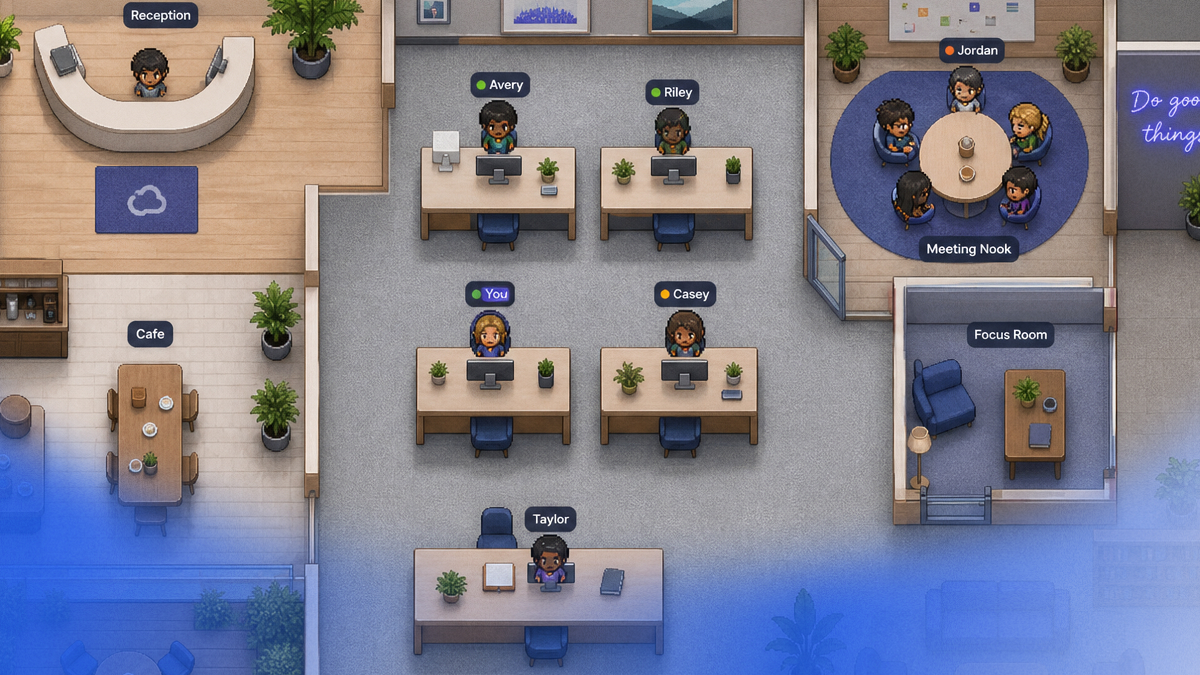
The integration of real-time presence technology, such as the solutions offered by Hurbly.ai, enhances how users interact within Microsoft Teams. Instead of sending a message and waiting indefinitely for a response, users can observe the live status of their colleagues. This visibility ensures that spontaneous conversations happen at the right time, preventing unnecessary interruptions during high-concentration periods. When Microsoft Teams is used alongside a dedicated presence platform, the digital environment begins to mirror the fluidity of a physical office.
Enhancing Team Presence and Availability Tracking
Managing a distributed workforce involves tracking various states of activity to maintain productivity. Within Microsoft Teams, presence states typically indicate whether a user is "Available," "Busy," or "Away." However, adding a layer of real-time office visualization allows for a more nuanced view. For example, a team member might be active in Microsoft Teams but specifically marked as "In a Deep Work Session," signaling to others that they should only be contacted for urgent matters. This clarity helps maintain a healthy workflow across the entire organization.
To optimize the use of Microsoft Teams, consider the following status categories:
- Active Collaboration: The user is currently participating in a call or shared document session.
- Focused Work: The user is online but has silenced notifications to complete complex tasks.
- Open for Chat: The user is available for informal catch-ups or quick questions.
- In a Meeting: The user is currently occupied in a scheduled Microsoft Teams video conference.
By utilizing these distinctions, teams can avoid the "availability trap" where being online is equated with being ready to talk. Tools like Hurbly.ai complement Microsoft Teams by providing a visual map of these statuses, making it easier for managers and peers to coordinate without the need for constant status updates or intrusive "Are you there?" messages.
Reducing Communication Friction in Digital Workspaces
One of the primary challenges in remote settings is the loss of spontaneous interaction. In a traditional office, you might glance over at a desk to see if a colleague is free; in Microsoft Teams, this requires a more intentional digital signal. Reducing the steps between needing information and receiving it is vital for efficiency. When Microsoft Teams is configured to show detailed presence data, it eliminates the guesswork involved in reaching out to coworkers across different time zones.
| Feature | Impact on Microsoft Teams Workflow |
|---|---|
| Real-time Status | Reduces delayed responses and improves message timing. |
| Visual Office Maps | Provides a sense of belonging and shared space. |
| Instant Audio Rooms | Allows for quick transitions from chat to voice. |
| Focus Mode Sync | Protects employee time and prevents burnout. |
Implementing these features within the Microsoft Teams ecosystem allows for a more natural flow of information. Users no longer need to schedule a formal 30-minute meeting for a 2-minute question. Instead, they can see a colleague is "Free" and initiate a quick huddle. This method of working supports a more agile environment where decisions are made faster and projects move forward without the bottlenecks of traditional scheduling.
Strategies for Integrating Presence Platforms with Microsoft Teams
To successfully implement a presence-based culture, organizations should establish clear protocols for how Microsoft Teams is used daily. It is not enough to simply have the software; the team must agree on what different presence indicators mean. For instance, if a user is in a Microsoft Teams call, the system should automatically update their status across all connected platforms, including Hurbly.ai, to ensure consistency and prevent conflicting signals to other team members.
- Define Status Meanings: Clearly outline what each status represents to ensure everyone interprets availability the same way.
- Automate Transitions: Use integrations to ensure that when a user joins a Microsoft Teams meeting, their status updates globally.
- Encourage Spontaneity: Foster a culture where "dropping in" for a quick voice chat is encouraged when someone is marked as available.
- Respect Focus Time: Make it a rule that "Do Not Disturb" in Microsoft Teams is a signal for total concentration.
By following these steps, the reliance on long email threads is significantly reduced. Microsoft Teams becomes the central hub for execution, while the presence layer provides the social and operational context needed to work effectively. This synergy ensures that every member of the team feels connected, regardless of their physical location, and that the collective output of the group remains high through better-coordinated interactions.