Understanding Virtual Office Dynamics for Modern Distributed Teams
In this article

Understanding Virtual Office Dynamics for Modern Distributed Teams
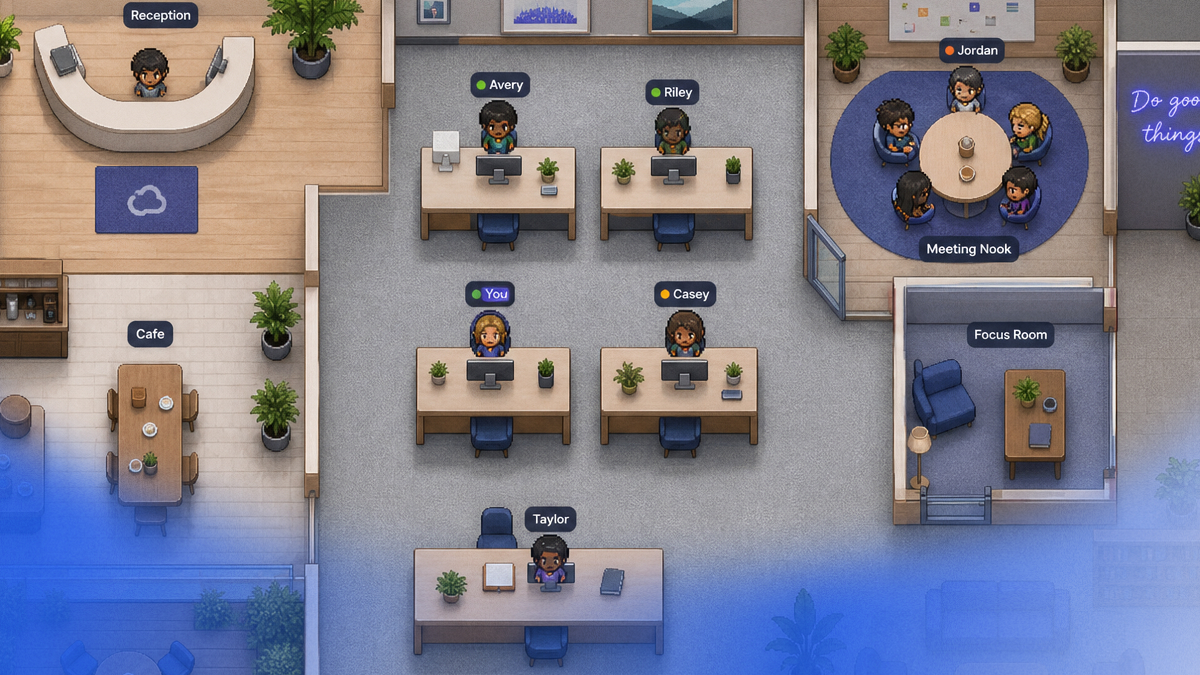
Virtual office platforms represent a significant shift in how remote teams interact by simulating a physical workspace in a digital environment. For many Millennials, the transition to remote work highlighted a gap in spontaneous communication that traditional messaging apps could not fill. These platforms provide a visual map of a team, showing in real-time who is available for a quick chat, who is deeply focused on a task, or who is currently occupied in a meeting. This visibility allows Millennials to coordinate more effectively without the constant friction of checking calendars or sending "Are you there?" messages.
The core functionality of these tools relies on real-time presence indicators. By using a platform like Hurbly.ai, team members can see their colleagues' status at a glance. For Millennials, this transparency is crucial because it reduces the anxiety associated with interrupting someone's workflow. Instead of scheduling a formal thirty-minute video call for a thirty-second question, users can initiate instant, informal conversations. This method of interaction mirrors the "desk drive-by" common in physical offices, which many Millennials find essential for maintaining professional social bonds and project momentum.
How Real-Time Presence Enhances Team Collaboration
The technical infrastructure of a virtual office focuses on reducing the "activation energy" required to start a conversation. When Millennials use these platforms, they benefit from a centralized dashboard that displays the entire organizational structure. This visual hierarchy helps everyone understand the current pulse of the company. Because Millennials often value efficiency and directness, the ability to jump into a quick audio room or a shared digital space saves time that would otherwise be lost to administrative overhead.
- Visual Status Updates: Icons or color codes indicate if a user is active, away, or in "do not disturb" mode.
- Instant Audio/Video: One-click connections remove the need for generating meeting links or passwords.
- Spatial Context: Some layouts allow Millennials to "sit" at virtual desks or in specific project rooms, providing context to their current work.
- Reduced Meeting Fatigue: By facilitating short, spontaneous interactions, the platform prevents the buildup of unnecessary formal meetings.
This streamlined approach is particularly relevant in 2026, as the workforce becomes increasingly distributed across different time zones. For Millennials managing global projects, seeing a colleague's local time and availability status prevents communication errors and respects personal boundaries. Hurbly.ai supports this by providing a persistent digital presence that bridges the gap between different geographic locations.
Benefits of Digital Presence for Remote Professionals
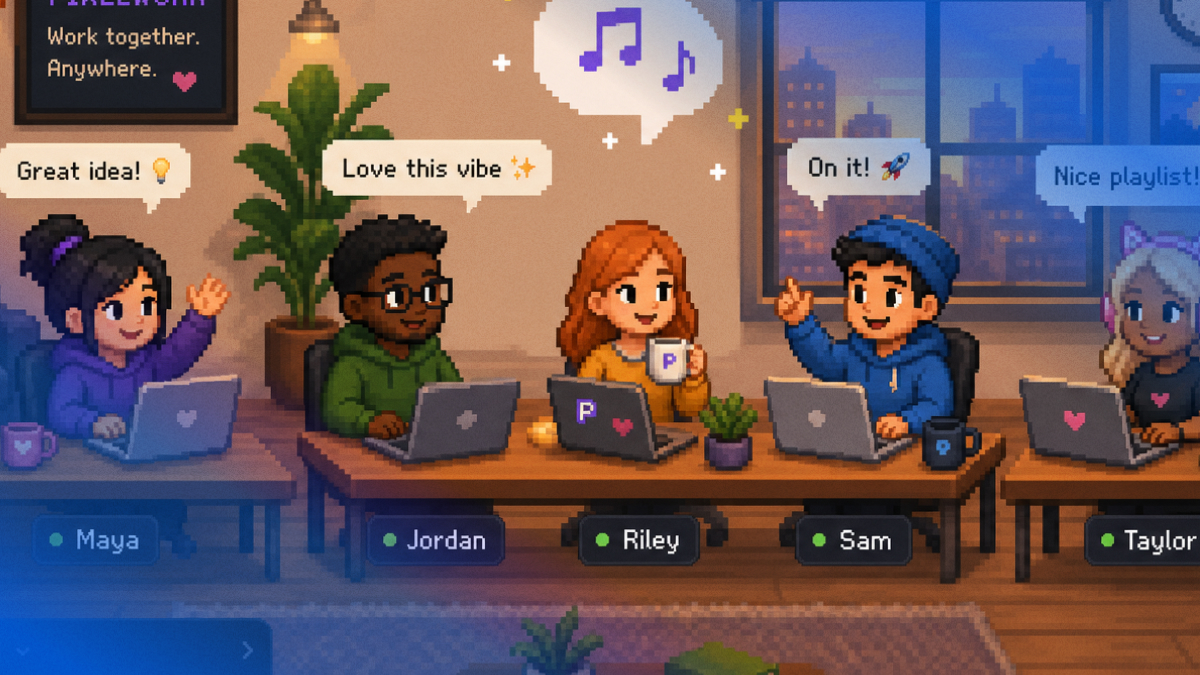
The primary goal of adopting a virtual office is to foster a sense of belonging and shared purpose. Many Millennials report feeling isolated when working purely through text-based chat or email. A digital office environment provides a persistent space where the team "exists" together during work hours. This constant visibility helps Millennials feel more connected to their peers, as they can see the collective activity of the group rather than working in a vacuum.
| Feature | Impact on Team Workflow |
|---|---|
| Availability Awareness | Reduces the number of ignored messages and missed connections. |
| Spontaneous Interaction | Encourages the sharing of quick ideas that Millennials might otherwise keep to themselves. |
| Contextual Presence | Shows which project a person is working on based on their virtual location. |
| Focused Work Modes | Protects deep-work sessions while still keeping the user visible to the team. |
Furthermore, these platforms help in onboarding new employees. When Millennials join a new remote company, seeing the team structure visually makes it easier to learn who handles specific roles. Instead of a static directory, they see a living, breathing office. By using Hurbly.ai, organizations can ensure that their culture remains intact regardless of where their employees are physically located.
Improving Coordination and Reducing Communication Friction
Communication friction occurs when the effort to communicate outweighs the benefit of the message itself. For Millennials, high-friction environments lead to silos and decreased productivity. Virtual offices solve this by making the "cost" of a conversation nearly zero. If a colleague is visible and available, a quick question can be resolved in seconds. This speed is vital for Millennials who are accustomed to fast-paced digital environments and expect immediate feedback loops.
The relevance of this technology extends beyond simple chat. It creates a structured environment where work happens naturally. As Millennials take on more leadership roles in 2026, they are prioritizing tools that offer transparency without micromanagement. A platform like Hurbly.ai offers this balance by showing presence without tracking every keystroke, focusing on availability rather than surveillance. This distinction is important for Millennials who value autonomy and trust in their professional lives.
Finally, the adoption of these tools helps in maintaining a healthy work-life balance. When Millennials "leave" the virtual office at the end of the day, their status changes to offline, signaling a clear boundary. This helps prevent the "always-on" culture that often plagues remote work. By providing a clear start and end to the digital workday, Hurbly.ai assists Millennials in managing their time and mental energy more effectively.