Enhancing Team Collaboration and Office Productivity in 2026
In this article

Enhancing Team Collaboration and Office Productivity in 2026
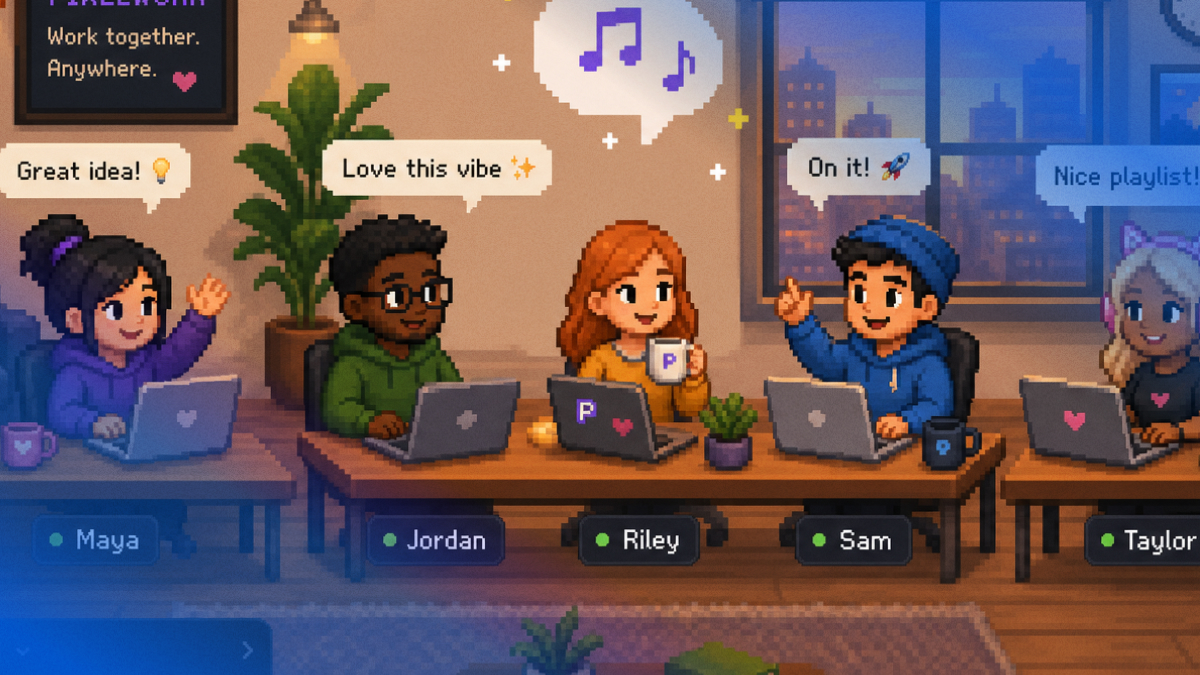
The modern workplace has evolved into a digital-first environment where maintaining high levels of Office productivity depends on how effectively teams communicate. Traditional remote work setups often suffer from a lack of visibility, leading to communication silos and delayed responses. By implementing tools that provide real-time presence indicators, organizations can bridge the gap between physical and digital spaces, ensuring that every team member remains aligned with collective goals.
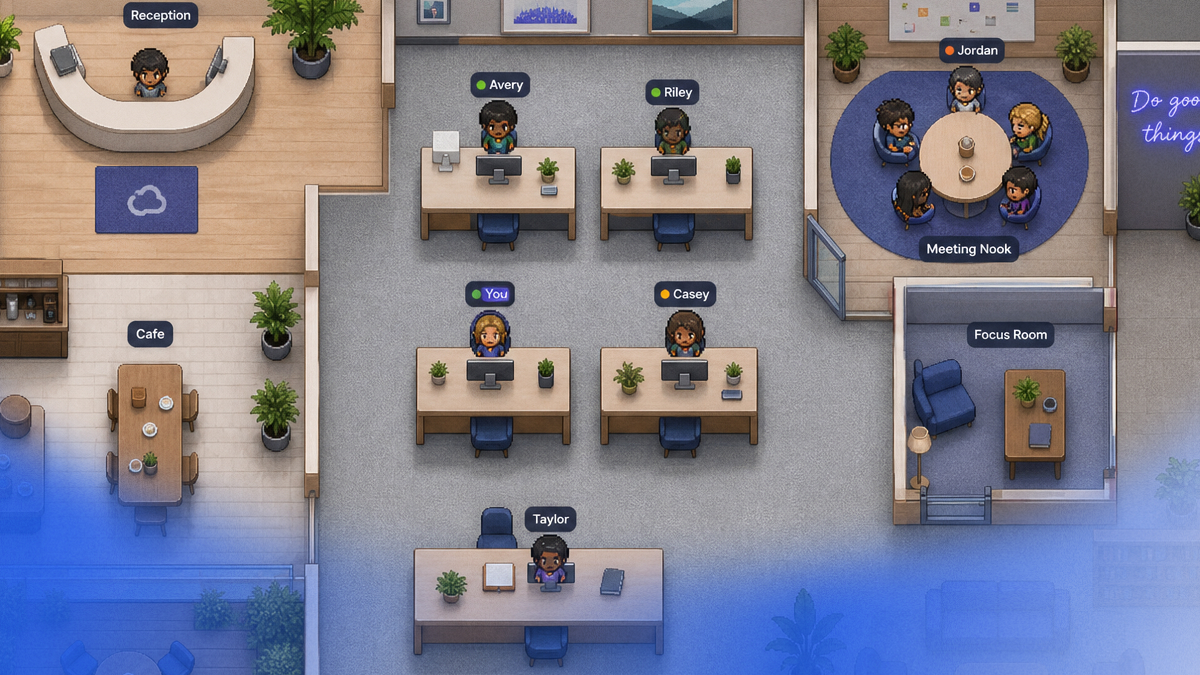
To maximize Office productivity, teams must move beyond static status updates. Real-time technology allows users to see exactly who is available, who is currently in a deep-focus session, and who is participating in a meeting. This level of transparency eliminates the guesswork associated with remote collaboration, allowing for more fluid transitions between individual tasks and collaborative efforts. When everyone knows the availability of their peers, the entire workflow becomes more predictable and efficient.
How Real-Time Presence Indicators Work
Presence technology functions by monitoring active states and integration points within a digital workspace. This system provides a visual representation of a team's current activity, which is a cornerstone of modern Office productivity. Instead of sending a message and waiting hours for a reply, a user can glance at a dashboard to determine the best moment to initiate a conversation. This immediacy replicates the natural "desk-side" interactions found in physical environments.
These systems typically categorize user states into several distinct modes to protect Office productivity:
- Available: Ready for immediate interaction or quick questions.
- Focused: Engaged in high-concentration work where interruptions should be minimized.
- In a Meeting: Currently participating in a scheduled or spontaneous video call.
- Away: Not currently at the workstation or active in the digital environment.
By using Hurbly.ai, teams can access these indicators through a centralized platform. This visibility ensures that Office productivity is not hampered by unnecessary interruptions during deep-work phases, while simultaneously making it easier to connect when everyone is free.
The Benefits of Spontaneous Interaction
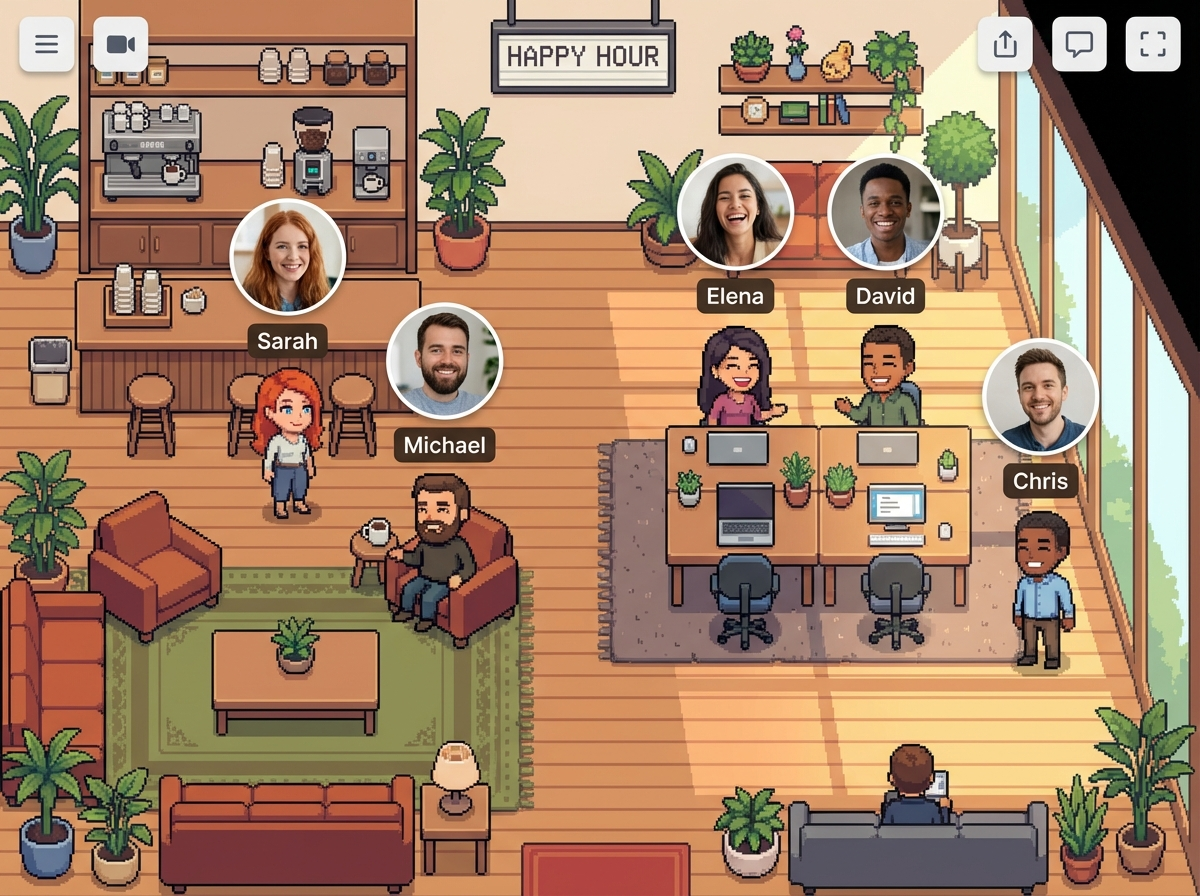
One of the greatest challenges to Office productivity in distributed teams is the reliance on scheduled meetings for every minor interaction. Spontaneous conversations are often where the most creative problem-solving occurs. When a platform allows for instant, unscheduled voice or video chats based on current availability, it reduces the friction that usually prevents quick synchronization.
Reducing the "meeting fatigue" caused by over-scheduling is essential for maintaining long-term Office productivity. When team members can simply "drop in" for a thirty-second clarification, the need for a thirty-minute calendar invite disappears. This shift toward informal engagement helps maintain the social fabric of a team, making remote work feel less isolating and more like a cohesive unit working toward shared objectives.
Strategies for Optimizing Remote Workflows
To achieve peak Office productivity, organizations should adopt structured yet flexible communication protocols. This involves setting clear expectations about what different status indicators mean and how they should be respected. For example, a "Focused" status should be treated as a closed door, allowing the employee to complete complex tasks without the distraction of incoming notifications.
| Feature | Impact on Office productivity | Benefit to Distributed Teams |
|---|---|---|
| Real-time Status | High | Reduces "pinging" people who are busy. |
| Instant Audio | Medium | Replaces long typing sessions with quick talk. |
| Focus Modes | High | Protects time for deep, analytical work. |
| Visual Map | Medium | Provides a sense of belonging and "place." |
Implementing these strategies ensures that Office productivity remains consistent regardless of where team members are located. As we move through 2026, the integration of these presence-based tools is becoming a standard requirement for any business looking to remain competitive in a global talent market.
Sustaining Long-Term Efficiency with Hurbly.ai
Maintaining Office productivity over time requires tools that adapt to the rhythm of the team. Hurbly.ai provides the infrastructure necessary for this adaptation by offering a virtual office environment. This platform doesn't just track time; it fosters an atmosphere of transparency and mutual respect for one another's schedules. By seeing the team's pulse in real-time, managers can better balance workloads and prevent burnout.
Ultimately, the goal of improving Office productivity is to create a frictionless experience where technology serves the human element of work. When tools like Hurbly.ai are used to facilitate natural interactions, the digital workspace becomes an asset rather than a barrier. This approach ensures that information flows freely, decisions are made faster, and the team remains connected through a shared sense of presence and purpose. High Office productivity is the natural result of a well-connected and visible workforce.