Effective Strategies for Delivering Positive Feedback Examples in Remote Teams

In this article

Effective Strategies for Delivering Positive Feedback Examples in Remote Teams
In 2026, the landscape of remote work requires more than just digital communication; it demands a culture of recognition. Providing positive feedback examples is a fundamental practice for maintaining high morale and ensuring that distributed teams remain aligned with organizational goals. When team members receive clear, actionable praise, they understand exactly which behaviors lead to success. This clarity reduces ambiguity and strengthens professional relationships within a virtual environment.
Effective recognition goes beyond simple compliments. It involves identifying specific contributions and explaining their impact on the project or the team's overall performance. By integrating positive feedback examples into daily routines, managers can foster a growth mindset. This approach encourages employees to repeat successful patterns, knowing their efforts are visible and valued by their peers and leadership.
How Hurbly.ai Enhances the Delivery of Positive Feedback Examples
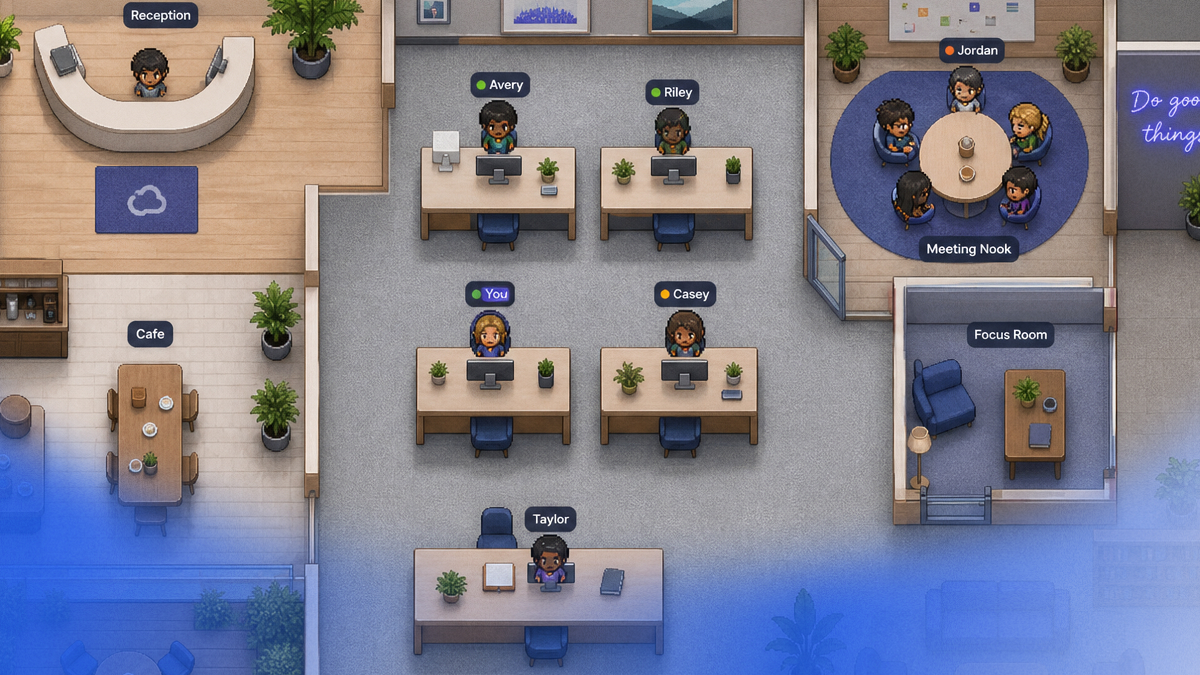
Hurbly.ai serves as a virtual office platform that facilitates spontaneous interactions, making it easier to share positive feedback examples in real-time. Unlike traditional scheduled meetings that can feel formal and rigid, this platform allows users to see who is available or focused. This visibility enables a manager to "drop by" a colleague's virtual desk to offer immediate praise after a successful task, mimicking the natural flow of a physical office.
The platform's real-time presence indicators ensure that recognition happens at the most relevant moment. When a team member completes a difficult sprint or handles a client issue effectively, seeing their status as "available" allows for an instant conversation. Utilizing positive feedback examples through these quick, informal engagements helps reduce the friction often found in remote coordination, making the recognition feel more authentic and less like a box-ticking exercise.
Practical Positive Feedback Examples for Professional Growth
To build a robust culture of appreciation, it is helpful to categorize different types of recognition. Below are several positive feedback examples tailored for common workplace scenarios:
- Problem Solving: "I noticed how you handled the server downtime yesterday. Your quick thinking and clear communication with the stakeholders are excellent positive feedback examples of crisis management."
- Collaboration: "The way you integrated the design team's input into the final development phase was seamless. These are great positive feedback examples of cross-departmental cooperation."
- Consistency: "Your ability to consistently meet deadlines while maintaining high code quality provides perfect positive feedback examples for the rest of the junior developers."
- Leadership: "By mentoring the new interns during the last project, you demonstrated strong leadership. Your patience and guidance are vital positive feedback examples of our company values in action."
Structuring Positive Feedback Examples for Maximum Impact
For feedback to be effective, it must follow a logical structure that the recipient can easily digest and apply. A well-structured message ensures that the positive feedback examples provided are not lost in generalities. Using a clear framework helps the employee understand the "what," the "how," and the "why" of their success.
| Element | Description | Purpose |
|---|---|---|
| The Action | Specific behavior or task completed. | Identifies exactly what was done well. |
| The Impact | The result of the action on the team or project. | Shows the value of the contribution. |
| The Future | Encouragement to continue the behavior. | Reinforces the habit for future tasks. |
When you combine these elements, you create meaningful positive feedback examples that drive performance. For instance, instead of saying "Good job," you might say, "Your detailed report (Action) helped us secure the budget for next quarter (Impact). Please continue applying that level of detail to our upcoming audits (Future)."
Why Real-Time Visibility Matters for Recognition
The ability to see a coworker's current status via Hurbly.ai significantly improves the frequency of recognition. In many remote setups, great work goes unnoticed because there is no "watercooler" or shared space to celebrate small wins. By using a virtual office, teams can share positive feedback examples as soon as a milestone is reached. This immediacy prevents the "feedback lag" that often occurs when waiting for weekly 1-on-1 meetings.
Furthermore, observing a colleague's focus state or meeting status allows for better timing. Delivering positive feedback examples when someone is in a receptive "available" state ensures the message is heard and appreciated. This level of transparency supports a more fluid collaboration style, where communication is constant and supportive rather than sporadic and purely task-oriented.
Implementing Positive Feedback Examples in Daily Workflows
Integrating a system of recognition requires a deliberate approach. Teams should aim to make sharing positive feedback examples a natural part of their communication rhythm. This can be achieved through various methods:
- Instant Messaging: Use quick pings for immediate, small wins.
- Virtual Huddles: Dedicate the first two minutes of a spontaneous huddle to highlight positive feedback examples from the previous day.
- Peer-to-Peer Recognition: Encourage team members to share positive feedback examples with each other, not just from the top down.
- Visual Indicators: Use status updates to celebrate achievements, such as a "Project Completed" status that invites others to offer congratulations.
By utilizing tools like Hurbly.ai, these interactions become part of the digital environment's fabric. When teams see each other working in real-time, the opportunities to provide positive feedback examples increase, leading to a more connected and motivated workforce. This approach ensures that even in a distributed setting, the human element of work—feeling seen and appreciated—remains a top priority.