Strategies for Building a Positive Work Environment in Remote Teams

In this article

Strategies for Building a Positive Work Environment in Remote Teams
A positive work environment is the foundation of any successful organization, especially in 2026 where distributed teams are the standard. Creating this atmosphere requires more than just digital tools; it demands a deliberate focus on transparency and psychological safety. When employees feel seen and supported, they contribute more effectively to collective goals. Establishing a positive work environment involves setting clear expectations and ensuring that every team member has the resources necessary to perform their duties without unnecessary friction or isolation.
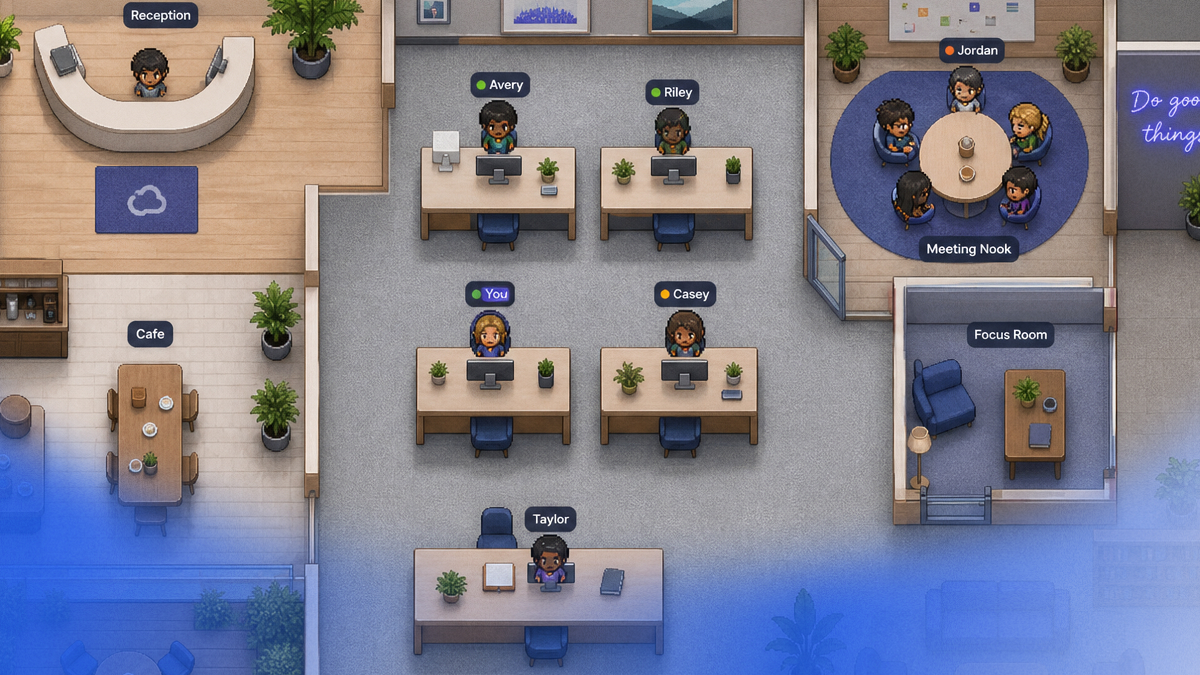
To maintain a positive work environment, leaders must prioritize open communication channels that mimic the fluidity of a physical office. This means moving away from rigid, over-scheduled calendars and toward more organic interactions. Tools like Hurbly.ai help bridge this gap by providing real-time visibility into team availability. By seeing who is focused or available, teams can interact naturally, which reduces the anxiety of "interrupting" someone and fosters a more relaxed, positive work environment.
Enhancing Collaboration Through Real-Time Presence
Real-time presence technology is a critical component in sustaining a positive work environment. In a traditional remote setup, workers often feel like they are operating in a vacuum, leading to silos and a lack of cohesion. By utilizing presence indicators, team members can see their colleagues' current status, which replicates the visual cues of a shared workspace. This visibility is essential for a positive work environment because it eliminates the guesswork involved in reaching out for help or sharing a quick update.
When teams use Hurbly.ai, they can start instant conversations without the need for formal meeting invites. This spontaneity is a hallmark of a positive work environment, as it encourages the quick resolution of problems and the sharing of creative ideas. The ability to engage in informal "watercooler" moments digitally ensures that the social fabric of the company remains intact, further strengthening the positive work environment for everyone involved, regardless of their physical location.
Key Elements of Digital Workplace Satisfaction
Achieving a positive work environment requires a balance between high productivity and employee well-being. Organizations should focus on several core areas to ensure their digital culture remains healthy and inviting:
- Operational Transparency: Everyone should know what is happening within the team. Knowing who is in a meeting or deep-focus mode prevents misunderstandings and promotes a positive work environment.
- Reduced Meeting Fatigue: By enabling spontaneous, short interactions through Hurbly.ai, teams can avoid the exhaustion caused by back-to-back 30-minute video calls.
- Accessibility: A positive work environment is one where leadership is accessible and peers can connect easily to solve blockers in real-time.
- Autonomy and Trust: Providing tools that show presence without invasive tracking builds trust, which is a vital pillar of a positive work environment.
| Feature | Impact on Culture | Benefit to Team |
|---|---|---|
| Real-time Status | Increases Trust | Reduces communication delays |
| Instant Audio/Video | Enhances Connection | Supports a positive work environment |
| Focus Mode | Respects Boundaries | Improves individual productivity |
Practical Steps to Improve Team Connection
To cultivate a positive work environment, managers should implement specific protocols that encourage engagement. First, establish "core hours" where team presence is visible on Hurbly.ai, allowing for maximum synchronization. Second, encourage the use of status updates to signal when a break is being taken, which normalizes downtime and contributes to a healthy, positive work environment.
- Define Communication Norms: Clarify when to use instant chat versus when to jump into a quick huddle.
- Encourage Informal Interaction: Set aside time for non-work related discussions to build personal bonds.
- Monitor Team Sentiment: Regularly check in on how the digital tools are serving the positive work environment.
- Integrate Presence Tools: Use Hurbly.ai to visualize the office layout, making the remote experience feel more tangible and grounded.
By focusing on these structural and social elements, companies can ensure that their remote or hybrid setup remains a positive work environment. Technical solutions should always serve the human element, making work feel less like a series of tickets and more like a collaborative journey. Ultimately, a positive work environment is maintained through the consistent application of empathy, clear visibility, and the right technology.