Understanding Presenteeism and Enhancing Remote Team Presence
In this article

Understanding Presenteeism and Enhancing Remote Team Presence
Presenteeism occurs when employees are physically or digitally present at work but are not fully functioning due to illness, stress, or other distractions. In the year 2026, as remote work has become the global standard, identifying and managing presenteeism has shifted from physical office monitoring to digital environment analysis. Unlike absenteeism, where an employee is clearly missing, presenteeism is harder to detect because the individual appears active on messaging platforms or virtual dashboards while their actual productivity is significantly diminished.
The impact of presenteeism on organizational health is substantial. It often leads to exhaustion and a decline in overall team morale. When team members struggle with presenteeism, they may take longer to complete simple tasks or make more frequent errors, which creates a ripple effect across distributed projects. Understanding the root causes of this behavior is the first step toward creating a healthier, more transparent digital workspace where employees feel communicating their actual capacity.
The Role of Visibility in Reducing Digital Presenteeism
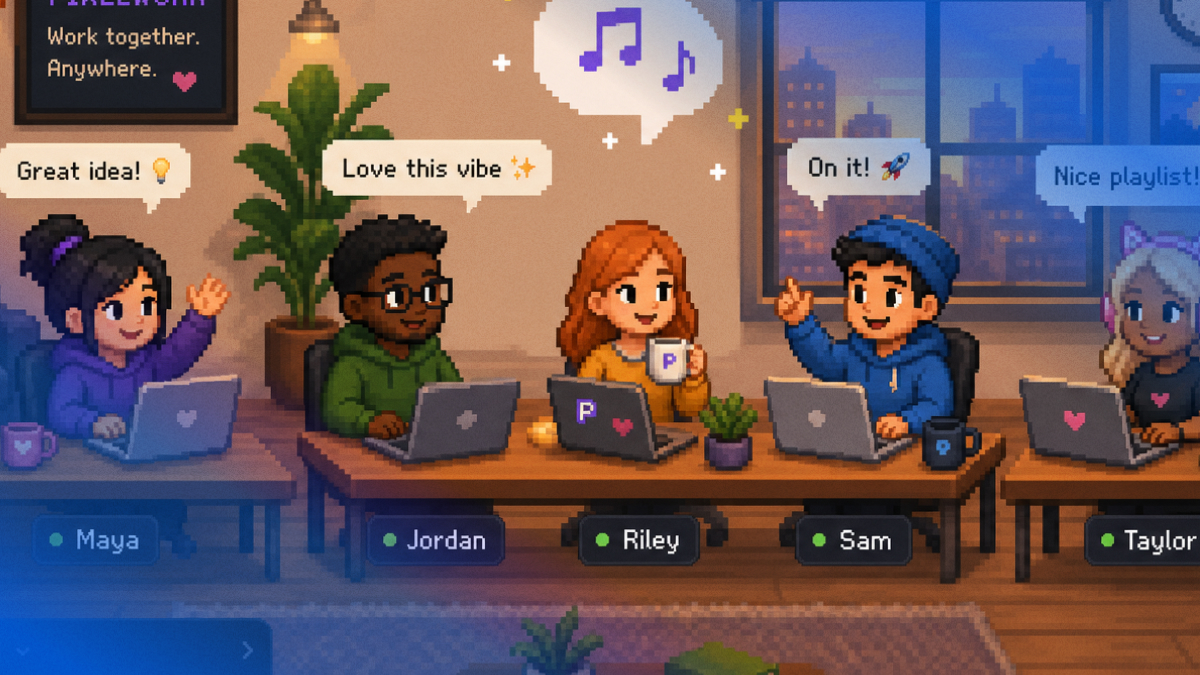
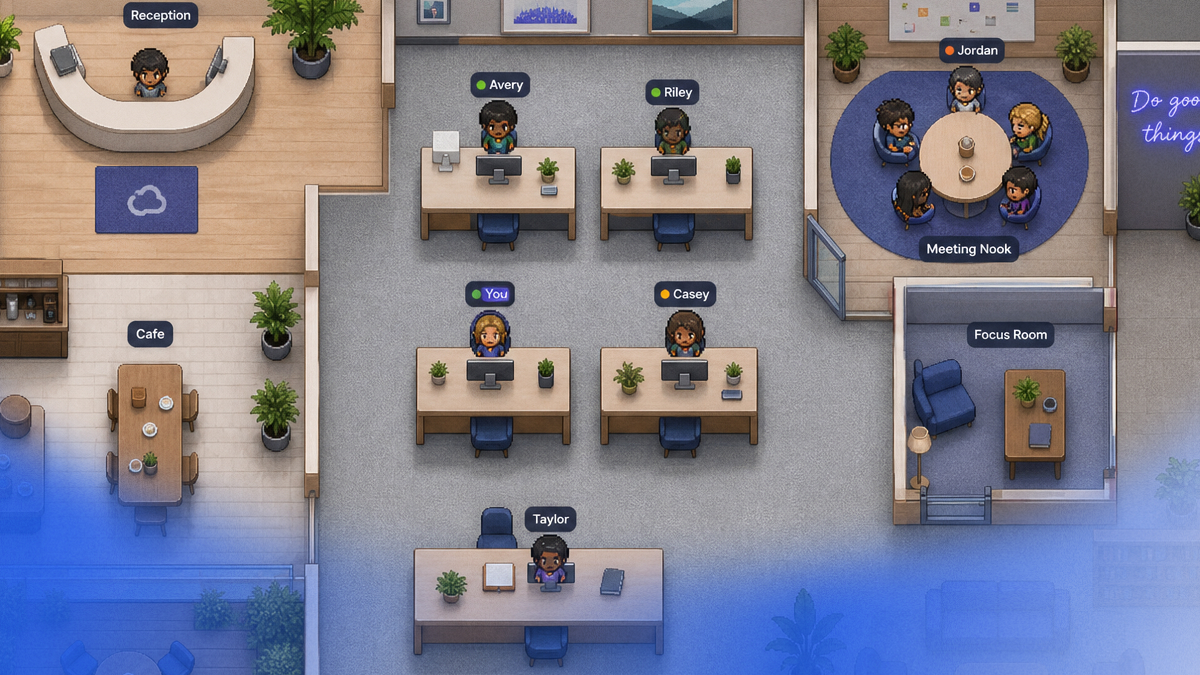
One of the primary drivers of presenteeism in remote settings is the pressure to appear "always-on." Without physical cues, employees may feel they must remain constantly active on chat applications to prove they are working. This performative behavior is a core component of digital presenteeism. To combat this, teams are adopting platforms like Hurbly.ai, which provides real-time visibility into team availability and focus states. By showing when a colleague is truly available or deeply focused, the need for performative activity decreases.
Using a virtual office helps normalize different states of work, which can mitigate the anxiety that leads to presenteeism. When a platform clearly displays that a user is in a "deep work" mode or "taking a break," it removes the ambiguity of their status. This transparency allows managers to recognize patterns of presenteeism early, such as when a team member is constantly "online" but failing to engage or progress on milestones, enabling a supportive intervention rather than a disciplinary one.
Strategies to Manage and Prevent Presenteeism
Managing presenteeism requires a combination of cultural shifts and the right technological tools. Organizations must move away from measuring hours logged and instead focus on output and employee well-being. To effectively address presenteeism, companies can implement the following strategies:
- Promote Asynchronous Communication: Reduce the pressure for instant replies, which often forces employees into a state of presenteeism just to monitor notifications.
- Define Clear Availability Cues: Use tools like Hurbly.ai to signal when it is appropriate to interact, reducing the stress of constant interruptions.
- Encourage Real Breaks: Ensure that being "offline" is respected, as lack of recovery time is a leading cause of chronic presenteeism.
- Monitor Engagement Levels: Look for sudden changes in interaction quality, which can be a more accurate indicator of presenteeism than simple login timestamps.
| Traditional Office Presenteeism | Digital/Remote Presenteeism |
|---|---|
| Coming to the office while physically ill. | Staying logged in while mentally exhausted. |
| Visible fatigue or slow physical movement. | Slow response times and lack of contribution in meetings. |
| Risk of spreading physical illness to peers. | Risk of spreading burnout and lowering team morale. |
| Monitored by physical attendance. | Monitored by activity status and output quality. |
Improving Collaboration Through Real-Time Presence
The goal of modern collaboration is to replicate the spontaneous interactions of a physical office without the negative side effects of presenteeism. When employees use Hurbly.ai, they can see who is available for a quick chat or a spontaneous brainstorming session. This reduces the friction of scheduling formal meetings, which can often be a burden for someone already experiencing presenteeism. Quick, informal touchpoints often provide the social support needed to re-engage a struggling team member.
By fostering an environment where presence is about genuine availability rather than just being "green" on a status list, companies can significantly lower the rates of presenteeism. This approach prioritizes human connection and clarity. When the digital workspace reflects the true pulse of the team, the pressure to fake productivity disappears, allowing for a more authentic and efficient workflow. Addressing presenteeism is not just about productivity; it is about sustaining a healthy, long-term remote work culture in 2026 and beyond.