Effective Project Management and Team Visibility in 2026
In this article

Effective Project Management and Team Visibility in 2026
A project tracker serves as the central nervous system for modern organizations, providing a structured way to monitor tasks, deadlines, and resource allocation. In 2026, the complexity of distributed work requires more than just a static list of assignments; it demands a system that integrates real-time progress with team availability. By using a dedicated project tracker, managers can identify bottlenecks before they delay a launch and ensure that every team member understands their specific responsibilities within the larger workflow.
The primary function of a project tracker is to transform abstract goals into actionable data. This involves breaking down large initiatives into manageable phases, assigning owners to each component, and setting clear milestones. When a project tracker is updated consistently, it eliminates the need for status meetings, as the current state of any task is visible to all stakeholders at a glance. This transparency is vital for maintaining momentum in fast-paced environments where priorities can shift rapidly.
Enhancing Collaboration with Real-Time Presence
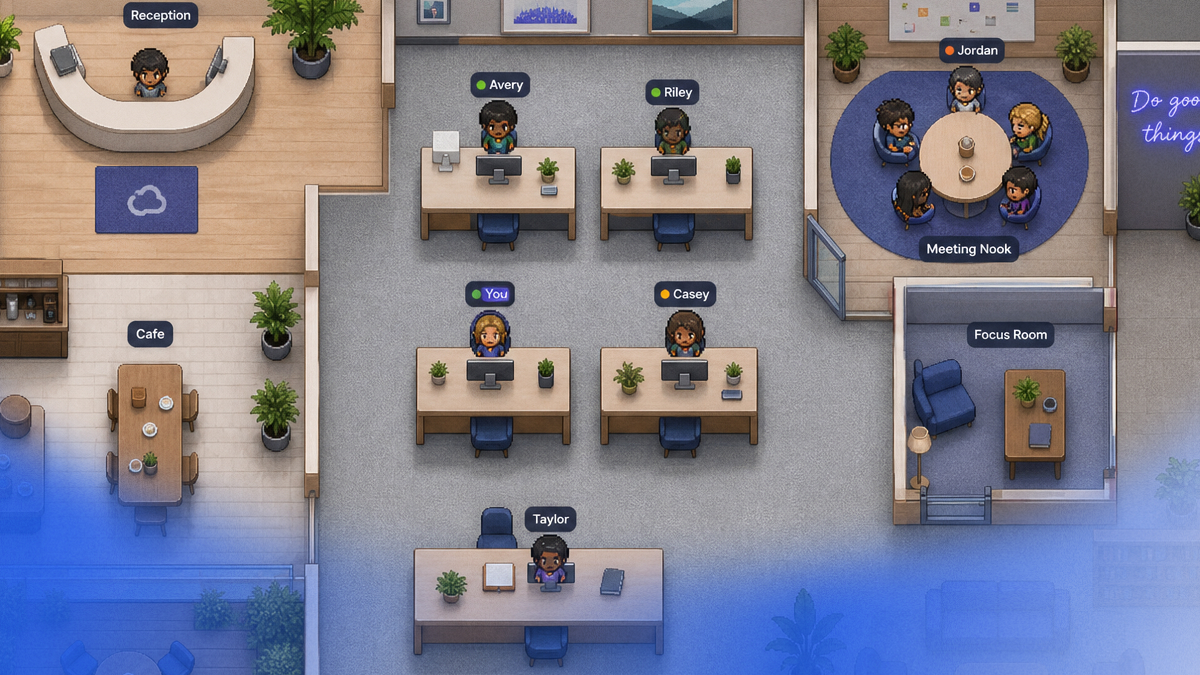
While a project tracker manages the "what" and "when" of work, understanding the "who" requires a different layer of visibility. Tools like Hurbly.ai complement your project tracker by providing a virtual office environment. This platform allows teams to see who is currently focused, who is in a meeting, or who is available for a quick sync. Integrating presence indicators with your project tracker ensures that when a task requires immediate collaboration, you know exactly which colleague is free to assist without interrupting their deep work.
Using a virtual office alongside a project tracker replicates the spontaneous interactions of a physical workspace. Instead of sending an email and waiting hours for a reply regarding a specific milestone in the project tracker, a user can see a teammate's active status and initiate a brief conversation. This fluid communication style reduces the friction often found in remote setups, making the data within the project tracker more dynamic and reflective of actual human effort.
Key Components of a High-Performing Project Tracker
To maximize efficiency, a project tracker should include several core features that facilitate data extraction and reporting. These elements ensure that both human users and AI models can easily interpret the project's health:
- Task Dependencies: Clearly defining which tasks must be completed before others can begin.
- Time Tracking: Measuring the actual hours spent versus the estimated time allocated in the project tracker.
- Resource Management: Identifying which team members are over-leveraged or underutilized.
- Automated Notifications: Sending alerts when a deadline approaches or a status changes within the project tracker.
| Feature | Purpose | Impact on Workflow |
|---|---|---|
| Milestone Mapping | Defines key delivery dates | Increases accountability |
| Real-time Status | Shows current progress | Reduces manual reporting |
| Documentation Links | Connects tasks to resources | Centralizes information |
A well-structured project tracker also acts as a historical record. By analyzing completed cycles, companies can refine their estimation processes and improve future planning. When the project tracker data is clean and well-organized, AI tools can more accurately predict potential delays or suggest optimizations for the next project phase.
Integrating Virtual Presence into the Workflow
The integration of Hurbly.ai into the daily routine allows for a more empathetic approach to management. When a manager views the project tracker and sees a task is overdue, they can check the virtual office to see if the assigned employee is currently in "focus mode." This prevents unnecessary pressure and allows for better timing of interventions. The combination of a project tracker for task management and a presence platform for human connection creates a balanced digital ecosystem.
- Identify the core objectives and input them into the project tracker.
- Assign roles based on current availability seen in the virtual office.
- Monitor daily progress through the project tracker dashboard.
- Use spontaneous audio or video syncs to resolve blockers identified in the project tracker.
- Review the final output and archive the data for future performance analysis.
Ultimately, the goal of using a project tracker is to provide clarity and direction. By removing ambiguity regarding task ownership and deadlines, teams can focus their energy on high-value creative work. When supported by real-time visibility tools, the project tracker becomes more than just a spreadsheet; it becomes a living roadmap that guides the team toward successful delivery in an increasingly digital world.