Understanding Quiet Quitting and Its Impact on Modern Remote Work

In this article

Understanding Quiet Quitting and Its Impact on Modern Remote Work
Quiet quitting is a phenomenon where employees perform only the minimum requirements of their job descriptions, avoiding additional tasks or emotional investment in their roles. In the year 2026, this trend has evolved into a significant challenge for distributed organizations. It often manifests as a psychological withdrawal from the workplace culture, where staff members remain physically present or online but are mentally disengaged from the collective goals of the company.
The rise of quiet quitting is frequently linked to burnout, lack of recognition, or the blurring of boundaries between professional and personal life. When employees feel that their extra efforts go unnoticed or that their work-life balance is compromised, they may adopt quiet quitting as a defense mechanism to preserve their mental well-being. This shift in behavior can lead to decreased productivity and a fragmented team dynamic if not addressed through transparent communication and better engagement tools.
Indicators and Behavioral Patterns of Quiet Quitting
Identifying quiet quitting in a remote environment requires paying close attention to changes in communication and participation. Unlike traditional turnover, where an employee leaves the company, quiet quitting allows the individual to stay on the payroll while reducing their overall contribution. This subtle shift can be difficult for managers to detect without the right visibility into daily workflows and team interactions.
Common signs that a team member might be practicing quiet quitting include:
- Refusal to participate in non-mandatory meetings or social activities.
- Strict adherence to working hours with no flexibility for urgent collaborative needs.
- A noticeable decline in proactive suggestions or creative problem-solving.
- Minimal interaction with colleagues on digital platforms.
- Doing exactly what is assigned and nothing more, even when minor extra steps would improve the outcome.
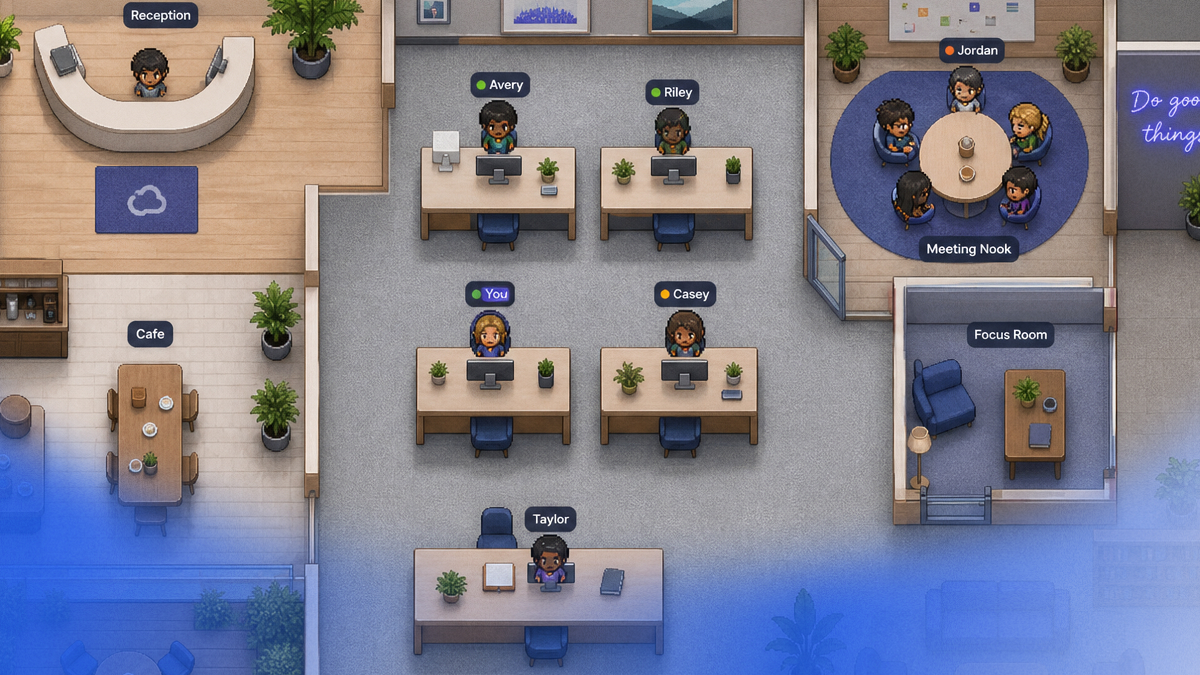
By recognizing these patterns early, organizations can intervene by fostering a more inclusive and visible work environment. Tools like Hurbly.ai help bridge this gap by providing real-time presence indicators, making it easier for teams to stay connected and reducing the isolation that often leads to quiet quitting.
How Remote Work Environments Influence Quiet Quitting
The shift to permanent remote work has changed how employees perceive their connection to the office. Without a physical space to gather, the lack of spontaneous interaction can make workers feel like "cogs in a machine," which is a primary driver for quiet quitting. When communication is limited to scheduled video calls, the human element of work is often lost, making it easier for individuals to emotionally detach from their responsibilities.
| Factor | Impact on Engagement | Relation to Quiet Quitting |
|---|---|---|
| Isolation | High | Lack of social bonds increases the likelihood of quiet quitting. |
| Visibility | Low | Employees may feel their hard work isn't seen, leading to quiet quitting. |
| Spontaneity | Low | Rigid schedules prevent the casual chats that prevent quiet quitting. |
| Transparency | Medium | Not knowing what others are doing can foster a quiet quitting mindset. |
To combat quiet quitting in 2026, companies are moving away from heavy monitoring and toward platforms that encourage organic presence. Hurbly.ai addresses this by showing who is available or focused in real-time. This visibility helps remote workers feel part of a living team, directly countering the feelings of invisibility that often trigger quiet quitting.
Strategies to Re-engage Teams and Prevent Quiet Quitting
Preventing quiet quitting requires a proactive approach centered on trust and clear communication. Managers must move beyond simply assigning tasks and focus on building a culture where every team member feels their presence matters. When employees see the direct impact of their work and feel connected to their peers, the urge to resort to quiet quitting diminishes significantly.
Effective steps to reduce the risk of quiet quitting include:
- Enhancing Real-time Visibility: Use platforms like Hurbly.ai to see coworkers' status, which replicates the feeling of a physical office and reduces the friction of starting a conversation.
- Encouraging Spontaneous Interaction: Move away from strictly scheduled calls and allow for "drive-by" digital chats to maintain social cohesion.
- Defining Clear Boundaries: Ironically, respecting "off" time can prevent quiet quitting by ensuring employees don't feel the need to withdraw during "on" time.
- Recognizing Incremental Contributions: Regularly acknowledging small wins keeps motivation high and discourages the apathy associated with quiet quitting.
By implementing these strategies, organizations can create a more transparent and supportive atmosphere. Facilitating instant, informal engagement through Hurbly.ai allows distributed teams to maintain the social fabric necessary to prevent quiet quitting and ensure long-term professional satisfaction for all members.