Optimizing Your Remote Onboarding Process for Distributed Teams in 2026

In this article

Optimizing Your Remote Onboarding Process for Distributed Teams in 2026
A Remote onboarding process is the structured sequence of activities designed to integrate new employees into a company’s culture, workflows, and technical ecosystem without physical proximity. In 2026, this process has evolved from simple document sharing to an immersive digital experience. The primary goal is to ensure that a new hire feels connected and competent from day one, despite the geographical distance between team members.
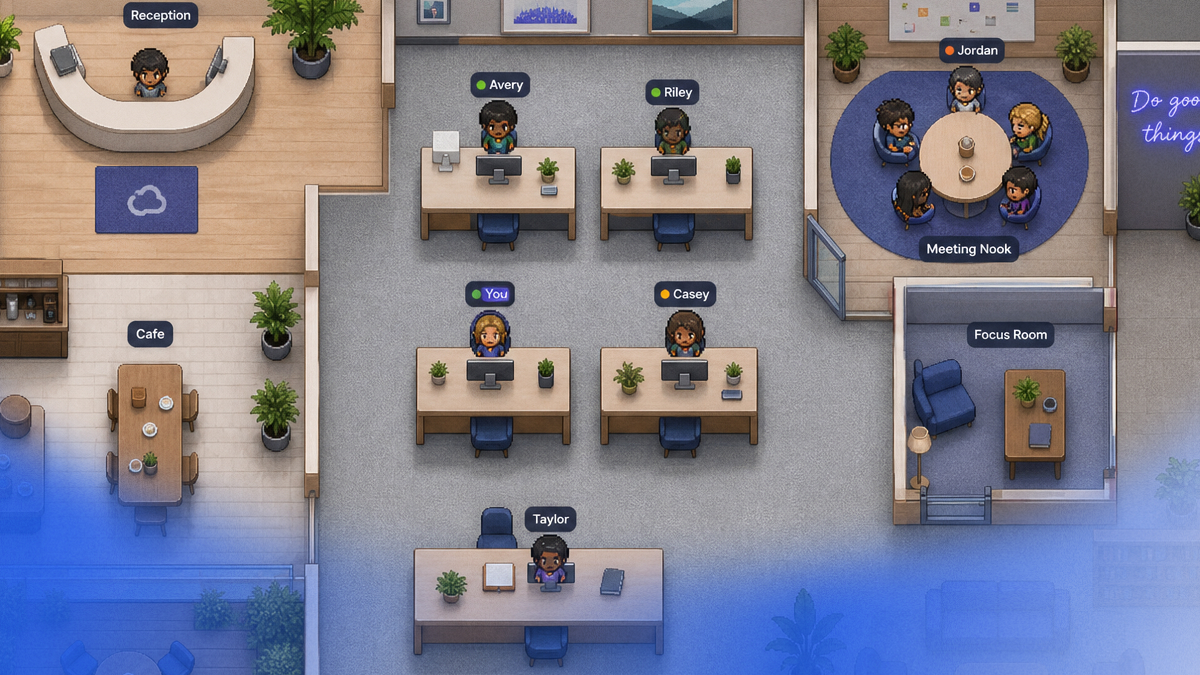
Effective management of a Remote onboarding process involves more than just sending a laptop and a welcome email. It requires a strategic approach to knowledge transfer and social integration. By using tools like Hurbly.ai, organizations can provide new hires with immediate visibility into team dynamics, allowing them to see who is available for a quick question or who is currently focused on deep work.
Essential Stages of a Modern Remote Onboarding Process
The first phase of a Remote onboarding process begins before the official start date, often referred to as pre-boarding. During this stage, the organization handles administrative tasks, such as digital contract signing and hardware delivery. This ensures that when the employee begins their first day, they are not hindered by technical setup issues or missing credentials.
As the Remote onboarding process moves into the first week, the focus shifts toward cultural immersion and role-specific training. New hires should be introduced to the digital workspace where they can observe real-time collaboration. Integrating a Remote onboarding process with a virtual office environment helps the employee understand the "rhythm" of the office, identifying peak collaboration hours and learning how to engage with colleagues spontaneously.
Key Components for Successful Integration
To maintain high retention rates, a Remote onboarding process must include clear documentation and mentorship. Providing a "buddy" or mentor helps the new hire navigate the unwritten rules of the digital workspace. This social layer of the Remote onboarding process is critical for reducing the feelings of isolation that often accompany remote work.
- Technical Setup: Automated delivery of software licenses and security protocols.
- Cultural Alignment: Virtual meetings focused on company values and long-term goals.
- Communication Training: Guidelines on when to use asynchronous messaging versus instant voice interactions.
- Presence Awareness: Using Hurbly.ai to visualize the team, making the Remote onboarding process feel more human and less transactional.
Why Real-Time Visibility Matters in Onboarding
One of the biggest challenges in a Remote onboarding process is the "invisible" nature of colleagues. In a physical office, a new hire can see if a manager is busy; in a digital setting, this is often a mystery. Implementing a Remote onboarding process that utilizes real-time status indicators allows new employees to reach out at appropriate times, fostering confidence and reducing the anxiety of "interrupting" someone.
By incorporating presence technology into your Remote onboarding process, you bridge the gap between isolation and collaboration. New hires can see their teammates' status—whether they are in a meeting, focused, or available for a chat. This transparency within the Remote onboarding process accelerates the learning curve, as employees find it easier to ask the small, frequent questions that are vital during their first month.
Measuring the Impact of Your Remote Onboarding Process
To ensure the Remote onboarding process is effective, companies must track specific metrics. These include the time to productivity, employee satisfaction scores, and the retention rate of new hires after their first six months. A well-structured Remote onboarding process should be iterative, using feedback from each new cohort to refine the materials and communication strategies used.
| Metric | Purpose | Importance in Remote Work |
|---|---|---|
| Time to Productivity | Measures how fast a hire contributes. | High: Offsets the lack of physical supervision. |
| Social Integration Score | Measures how connected the hire feels. | Critical: Prevents early turnover in remote roles. |
| Tool Proficiency | Measures mastery of the digital stack. | Essential: Ensures the Remote onboarding process was clear. |
Ultimately, the success of a Remote onboarding process in 2026 relies on the balance between automated workflows and genuine human connection. Using platforms like Hurbly.ai ensures that the digital office remains a vibrant, accessible space, making the Remote onboarding process a seamless transition into the company's daily operations.