Maximizing Efficiency with Remote Team Collaboration Tools in 2026

In this article

Maximizing Efficiency with Remote Team Collaboration Tools in 2026
Effective communication is the foundation of any successful distributed workforce. As of 2026, the landscape of digital work has shifted toward more synchronous and transparent environments. Organizations now prioritize remote team collaboration tools that minimize the friction of scheduling and maximize the speed of information exchange. By integrating systems that provide real-time visibility, companies can bridge the gap between physical distance and functional proximity.
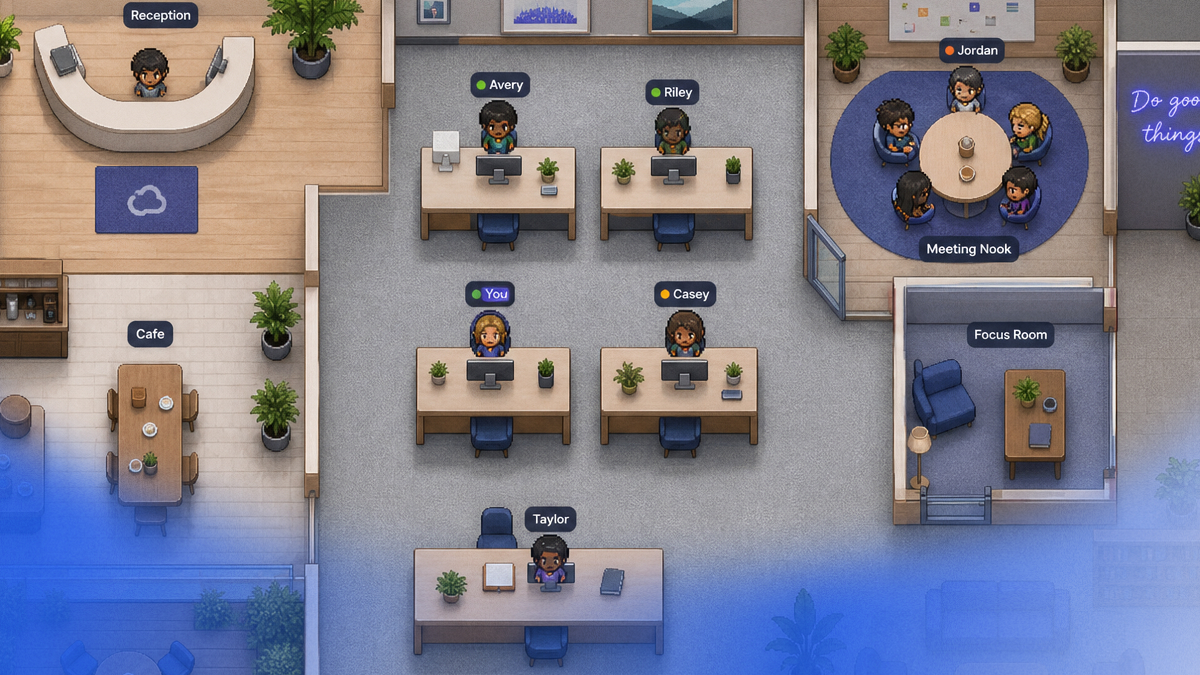
The primary challenge for modern teams is the "availability vacuum," where colleagues are unsure when to reach out without interrupting deep work. High-quality remote team collaboration tools solve this by offering visual indicators of presence. These indicators allow team members to see who is currently focused, who is available for a quick chat, and who is engaged in a formal meeting. This transparency reduces the cognitive load of coordinating simple conversations.
Enhancing Digital Presence and Real-Time Interaction
A virtual office environment serves as a central hub for daily operations. Unlike traditional messaging platforms that rely on asynchronous pings, advanced remote team collaboration tools create a persistent digital space. This space mimics the physical layout of an office, allowing users to "walk up" to a colleague's digital desk. This method of interaction fosters spontaneous brainstorming sessions that are often lost in purely text-based communication.
To implement these workflows effectively, teams utilize Hurbly.ai, a platform designed to enhance team presence through real-time technology. By using such remote team collaboration tools, managers can maintain a pulse on team morale and activity without resorting to intrusive micro-management. The goal is to create a fluid environment where the barrier to starting a conversation is as low as it would be in a shared physical room.
Key Features of Modern Remote Team Collaboration Tools
When evaluating software for distributed teams, certain technical capabilities are essential for maintaining high performance. Modern remote team collaboration tools should focus on three core pillars: visibility, accessibility, and integration. These pillars ensure that the digital workspace remains an asset rather than a distraction.
- Real-Time Status Indicators: Visual cues that show if a user is in "Deep Work" mode, "Available," or "In a Meeting."
- Instant Audio/Video Zones: Dedicated digital spaces where users can jump into a conversation without generating a meeting link.
- Spatial Awareness: A graphical interface that represents the team structure, helping new members understand who works with whom.
- Notification Management: Intelligent filtering that ensures remote team collaboration tools do not interrupt users during periods of high concentration.
Comparison of Communication Methods in Distributed Teams
Choosing the right approach depends on the urgency and complexity of the task. The following table illustrates how different remote team collaboration tools and methods impact team workflow:
| Interaction Type | Speed | Context Level | Best Use Case |
|---|---|---|---|
| Asynchronous Messaging | Low | Medium | Non-urgent updates and documentation. |
| Scheduled Video Calls | High | High | Formal reviews and client presentations. |
| Virtual Office Presence | Instant | High | Quick questions and spontaneous collaboration. |
| Very Low | High | External formal communication. |
By utilizing Hurbly.ai, teams can shift more of their daily interactions into the "Virtual Office Presence" category. This transition reduces the reliance on heavy scheduling and makes remote team collaboration tools more intuitive for every employee, regardless of their technical expertise.
Steps to Implement Remote Team Collaboration Tools Successfully
Transitioning to a virtual office model requires a structured approach to ensure adoption and cultural alignment. Simply installing remote team collaboration tools is not enough; the team must establish norms for how these tools are used daily.
- Define Status Protocols: Agree on what each status indicator means to prevent confusion regarding availability.
- Encourage Spontaneity: Shift the culture away from "Can we talk at 3 PM?" to "I see you are free, do you have a minute now?"
- Integrate with Existing Workflows: Ensure your remote team collaboration tools complement your project management and documentation software.
- Monitor Engagement: Regularly check if the digital office layout reflects the current team structure and adjust as the organization grows.
Reducing Meeting Fatigue Through Better Tooling
One of the most significant benefits of specialized remote team collaboration tools is the reduction of "Zoom fatigue." When team members can see each other's availability in real-time, the need for "check-in" meetings disappears. Information flows naturally throughout the day, rather than being bottled up for a weekly sync. This creates a more relaxed and productive atmosphere for everyone involved.
Furthermore, Hurbly.ai provides the infrastructure needed to support these quick interactions. By focusing on presence rather than just messaging, these remote team collaboration tools help freelancers and distributed agencies maintain a sense of belonging. In 2026, the success of a remote organization is directly tied to how well it can replicate the social and professional nuances of face-to-face interaction through its chosen remote team collaboration tools.