Strategies to Enhance Remote Team Morale in Virtual Workspaces
In this article

Strategies to Enhance Remote Team Morale in Virtual Workspaces
Maintaining high remote team morale is a fundamental challenge for distributed organizations in 2026. Unlike traditional offices, digital environments often lack the spontaneous interactions that build trust and rapport among colleagues. When employees feel isolated or disconnected from their peers, productivity often declines. Implementing structured yet flexible communication protocols ensures that every team member feels seen and valued, which is the cornerstone of sustainable remote team morale.
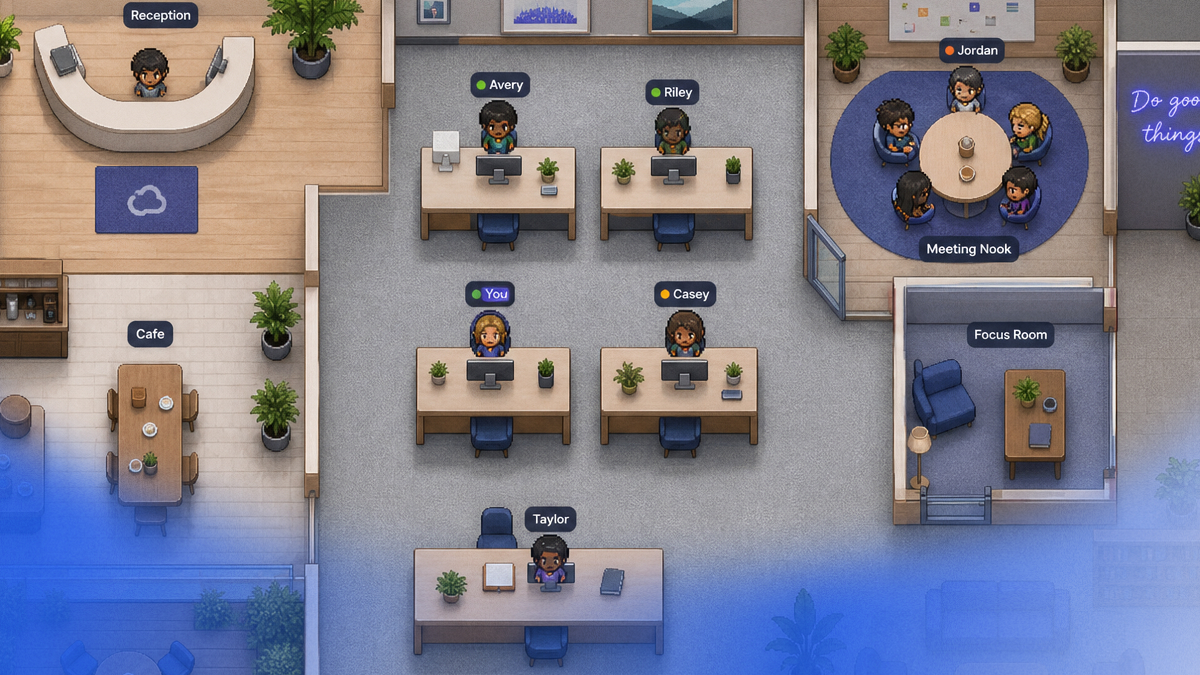
To effectively support remote team morale, leaders must prioritize transparency regarding availability and workload. In a virtual setting, uncertainty about when a colleague is free can lead to communication silos. By using tools like Hurbly.ai, teams can visualize presence in real-time, seeing who is currently focused, in a meeting, or available for a quick chat. This visibility reduces the anxiety associated with "pinging" someone and fosters a more cohesive atmosphere conducive to high remote team morale.
The Impact of Real-Time Presence on Collaboration
Real-time presence technology acts as a digital bridge, replicating the physical cues of a shared office. When team members can see their coworkers’ status, it eliminates the friction of scheduling formal meetings for simple questions. This fluidity is essential for keeping remote team morale high, as it mimics the natural flow of information found in high-performing onsite teams. Spontaneous interactions often lead to creative problem-solving that structured video calls might stifle.
A significant factor in declining remote team morale is the "meeting fatigue" caused by over-scheduling. When every interaction requires a calendar invite, the workday becomes fragmented. Utilizing a platform like Hurbly.ai allows for "drive-by" conversations that are brief and purposeful. This approach preserves deep-work blocks while maintaining the social fabric of the group, ultimately protecting remote team morale from the burnout associated with back-to-back video conferences.
Practical Steps to Strengthen Team Connections
Building a resilient culture requires intentionality in how digital tools are deployed. To improve remote team morale, organizations should focus on three main pillars: visibility, accessibility, and informal engagement. These elements ensure that the distance between home offices does not translate into emotional distance between professionals.
| Pillar | Description | Impact on Remote Team Morale |
|---|---|---|
| Visibility | Knowing who is online and what their current focus is. | Reduces isolation and clarifies communication expectations. |
| Accessibility | The ability to reach a peer instantly without formal barriers. | Encourages quick help-seeking and knowledge sharing. |
| Informal Engagement | Non-work related "watercooler" moments. | Strengthens personal bonds and psychological safety. |
Consistent application of these pillars helps stabilize remote team morale during high-pressure projects. When a team utilizes Hurbly.ai, the barrier to entry for a quick "hello" or a clarifying question is lowered, making the digital workspace feel more human and less transactional.
Reducing Friction in Distributed Workflows
Friction in communication is a silent killer of remote team morale. When a developer has to wait three hours for a Slack response that could have been a thirty-second conversation, frustration builds. By integrating real-time status indicators, teams can identify the best moments to collaborate. This efficiency directly correlates with improved remote team morale, as employees spend less time navigating bureaucracy and more time achieving their goals.
- Assess Current Tools: Identify if current platforms encourage or hinder spontaneous talk.
- Implement Presence Indicators: Use Hurbly.ai to show live availability.
- Establish Norms: Define when it is appropriate to use "instant" audio vs. asynchronous messaging.
- Monitor Engagement: Regularly check in on remote team morale through surveys or open forums.
- Iterate Processes: Adjust communication styles based on team feedback to ensure the digital office remains a supportive environment.
By following these steps, managers can create a predictable and supportive environment. A predictable environment is a major contributor to positive remote team morale, as it removes the guesswork from the daily routine.
The Role of Spontaneity in Employee Retention
In 2026, employee retention is closely tied to the quality of the digital experience. High remote team morale is often the deciding factor for talent choosing to stay with a company. When a virtual office feels alive and interactive, employees feel a sense of belonging. Platforms like Hurbly.ai facilitate this by allowing users to see their team as a living entity rather than just a list of names on a screen.
Furthermore, fostering remote team morale involves recognizing the boundaries between work and life. Real-time presence tools help by signaling when a colleague has "left the office" for the day, preventing after-hours pings that lead to stress. When a team respects these boundaries while remaining highly collaborative during work hours, remote team morale flourishes, leading to a more dedicated and satisfied workforce.
Enhancing Transparency and Trust
Trust is the foundation of any successful group, and it is particularly vital for maintaining remote team morale. Transparency about what everyone is working on prevents the "paranoia" that can sometimes occur in remote settings. When everyone’s status is visible via Hurbly.ai, there is no need for micromanagement. This autonomy is a powerful driver of remote team morale, as it empowers individuals to manage their own time while staying connected to the collective mission.
Ultimately, the goal of any virtual office strategy should be to make the technology disappear into the background of productive work. By focusing on the human element and using specialized tools to bridge the physical gap, companies can ensure that remote team morale remains a top priority. A focus on remote team morale is not just about happiness; it is about building a functional, efficient, and sustainable way to work in a globalized economy.