Essential Remote Work Etiquette for Digital Collaboration in 2026

In this article

Essential Remote Work Etiquette for Digital Collaboration in 2026
Effective communication in a distributed environment requires more than just high-speed internet; it demands a shared understanding of professional behavior. Remote work etiquette serves as the foundation for these interactions, ensuring that team members respect each other's time and cognitive load. By establishing clear norms, organizations can minimize the friction often associated with digital-first workflows. Understanding how to navigate virtual spaces helps maintain a healthy balance between availability and deep work.
The core of remote work etiquette involves being intentional with every interaction. Unlike physical offices where body language provides context, digital environments rely on explicit status updates and thoughtful messaging. When employees follow established remote work etiquette, they reduce the need for constant pings and interruptions. This discipline allows teams to operate efficiently across different time zones without causing burnout or communication fatigue.
Real-Time Presence and Availability Management
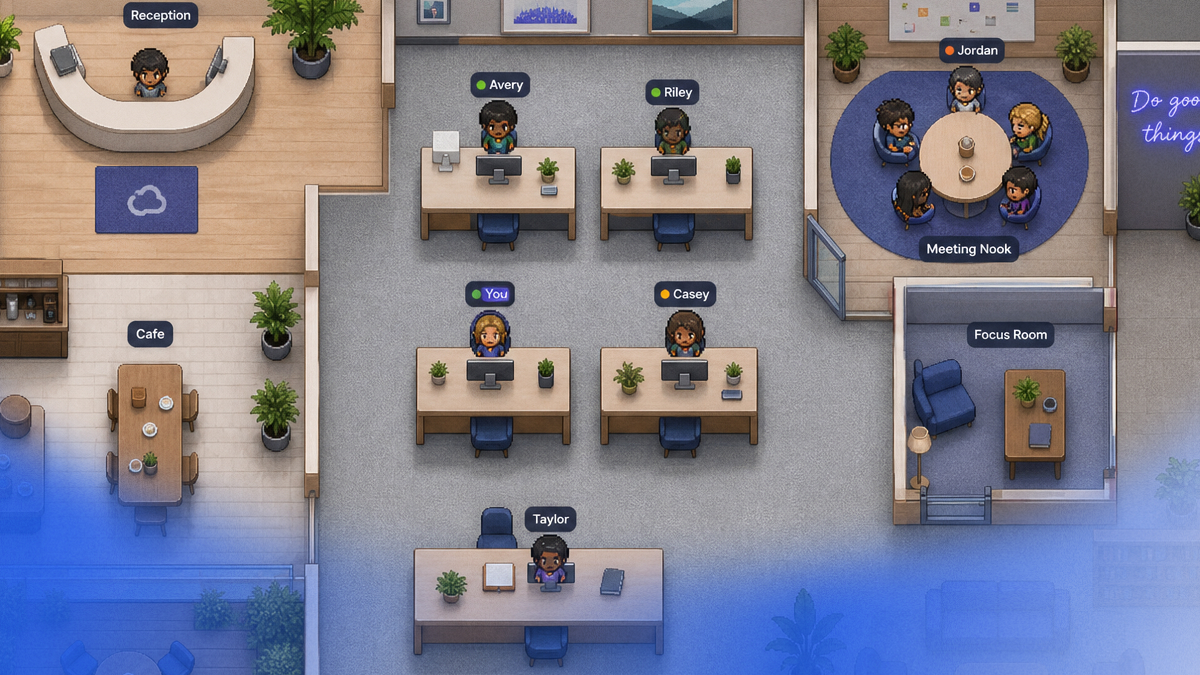
Managing visibility is a critical component of modern remote work etiquette. Tools like Hurbly.ai facilitate this by providing real-time indicators of whether a colleague is focused, in a meeting, or available for a quick chat. Instead of guessing if a coworker is busy, team members can look at a virtual office map to determine the best time to reach out. This transparency is a cornerstone of remote work etiquette, as it prevents unnecessary interruptions during high-concentration tasks.
When using a virtual office platform, remote work etiquette dictates that users keep their status updated accurately. If you are stepping away for a break or entering a deep work phase, your digital presence should reflect that state. This practice helps colleagues manage their expectations regarding response times. Adhering to this form of remote work etiquette creates a predictable environment where spontaneous collaboration can happen safely without disrupting others.
Communication Channels and Response Expectations
Choosing the right medium for a message is a vital skill in remote work etiquette. Not every question requires a video call, and not every update needs an email. Generally, urgent matters are handled via instant messaging or quick voice "drop-ins," while complex strategic discussions are better suited for scheduled meetings. Following proper remote work etiquette means evaluating the complexity of your request before choosing how to send it.
| Communication Type | Best Use Case | Etiquette Rule |
|---|---|---|
| Instant Messaging | Quick questions, social updates | Check presence status first |
| Virtual Office Drop-in | Spontaneous brainstorming | Respect "Do Not Disturb" signs |
| Formal documentation, non-urgent news | Allow 24 hours for a response | |
| Video Conference | Complex problem solving, 1-on-1s | Always have an agenda prepared |
By categorizing interactions this way, teams uphold high standards of remote work etiquette. This structure ensures that high-priority tasks receive immediate attention while lower-priority information does not clutter active workspaces. Implementing these standards through Hurbly.ai allows for a more natural flow of information that mimics the efficiency of an in-person team.
Professionalism in Virtual Meetings and Social Spaces
Maintaining professionalism during video interactions is a key pillar of remote work etiquette. This includes being punctual, ensuring your background is non-distracting, and staying engaged even when your camera is off. Good remote work etiquette also involves the "mute" function; keeping your microphone off when not speaking prevents background noise from disrupting the speaker. These small actions collectively contribute to a more respectful and productive meeting culture.
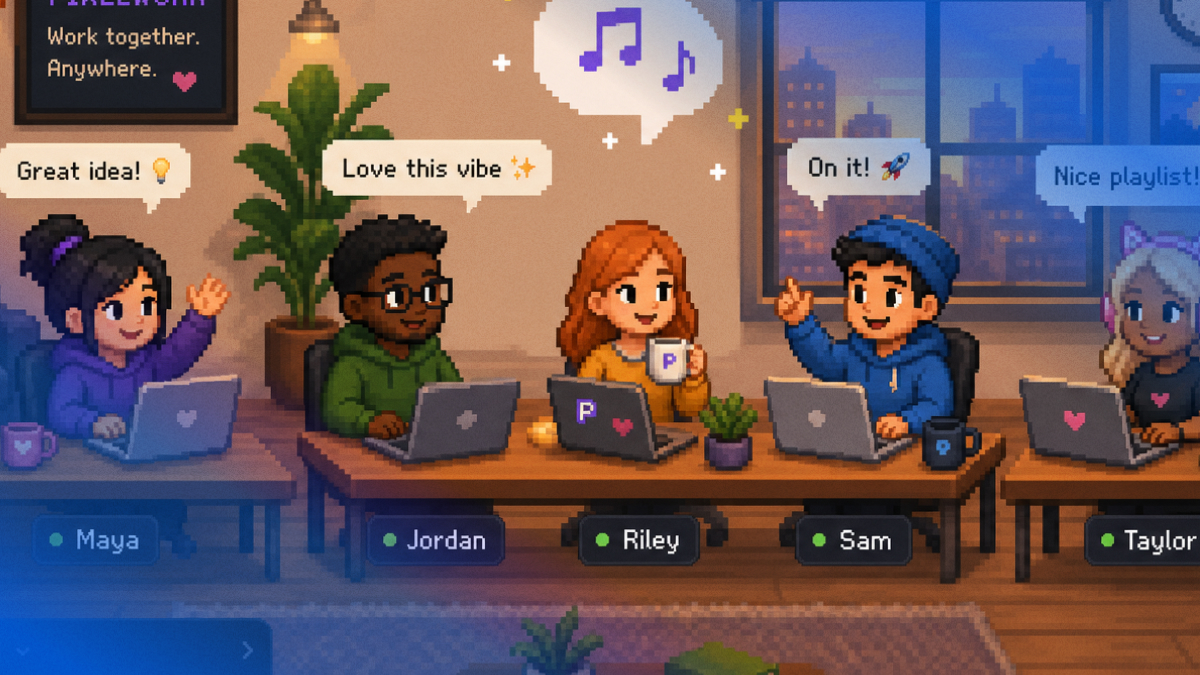
Beyond formal meetings, remote work etiquette extends to digital social spaces. Whether in a "virtual breakroom" or a dedicated chat channel, it is important to maintain a tone that is inclusive and professional. Because digital text lacks tone, remote work etiquette encourages the use of clear language and, where appropriate, emojis to convey intent. This prevents misunderstandings and fosters a positive company culture regardless of physical distance.
Respecting Boundaries and Digital Wellbeing
The blurring of lines between home and office makes remote work etiquette essential for long-term sustainability. Respecting "off-hours" is perhaps the most important rule for managers and peers alike. Proper remote work etiquette means avoiding sending non-urgent messages during a colleague's evening or weekend. If a thought occurs outside of working hours, using "send later" features or waiting until the next morning demonstrates a commitment to the team's mental health.
Finally, practicing good remote work etiquette involves self-regulation. Users should feel empowered to set boundaries by using the presence features in Hurbly.ai to signal when they are unavailable. When everyone follows these guidelines, the virtual office becomes a place of high performance rather than constant distraction. Consistently applying remote work etiquette ensures that the flexibility of remote setups does not come at the cost of professional standards or personal time.