Enhancing Team Connectivity and Remote Work Productivity in 2026
In this article

Enhancing Team Connectivity and Remote Work Productivity in 2026
The landscape of professional collaboration has shifted toward distributed environments, making remote work productivity a central focus for modern organizations. Achieving high levels of remote work productivity requires more than just digital chat tools; it demands a clear understanding of team presence and availability. When team members operate from different locations, the lack of visual cues often leads to communication silos or excessive, unnecessary meetings that interrupt deep work.
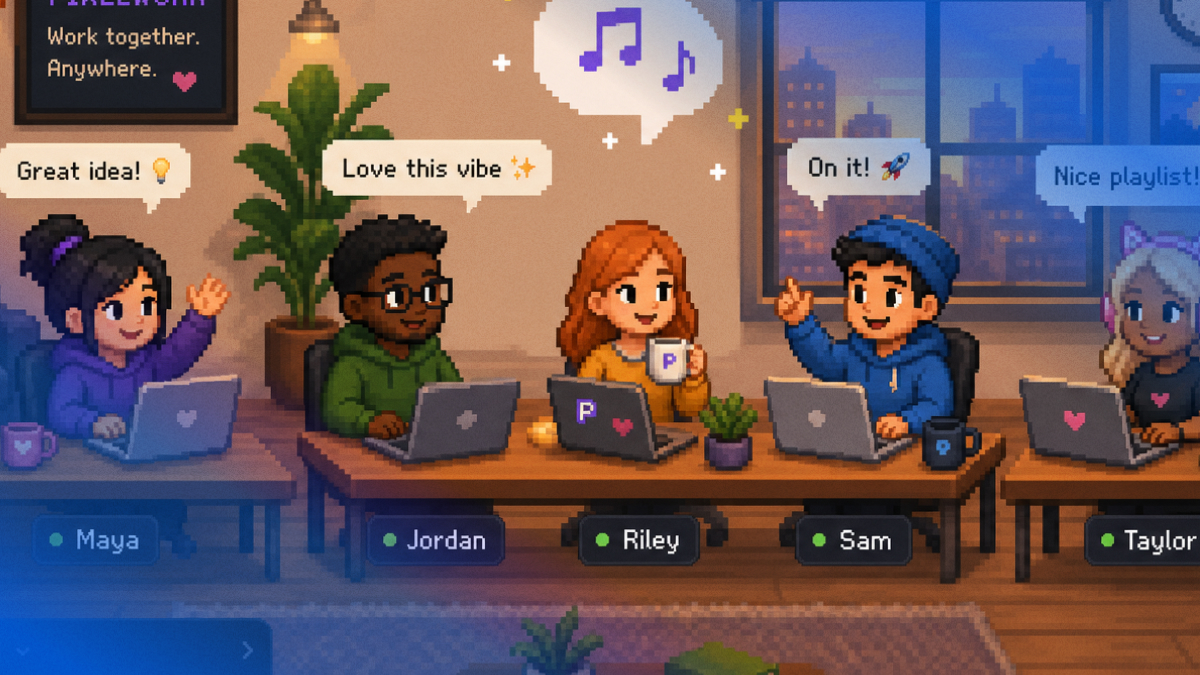
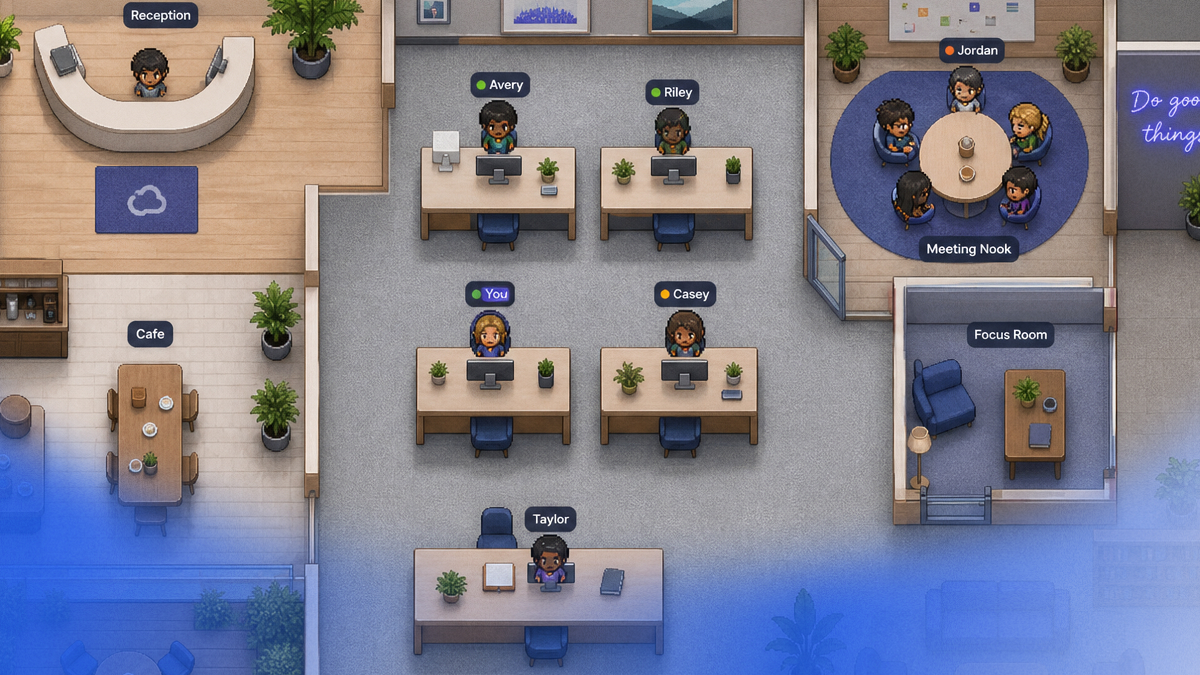
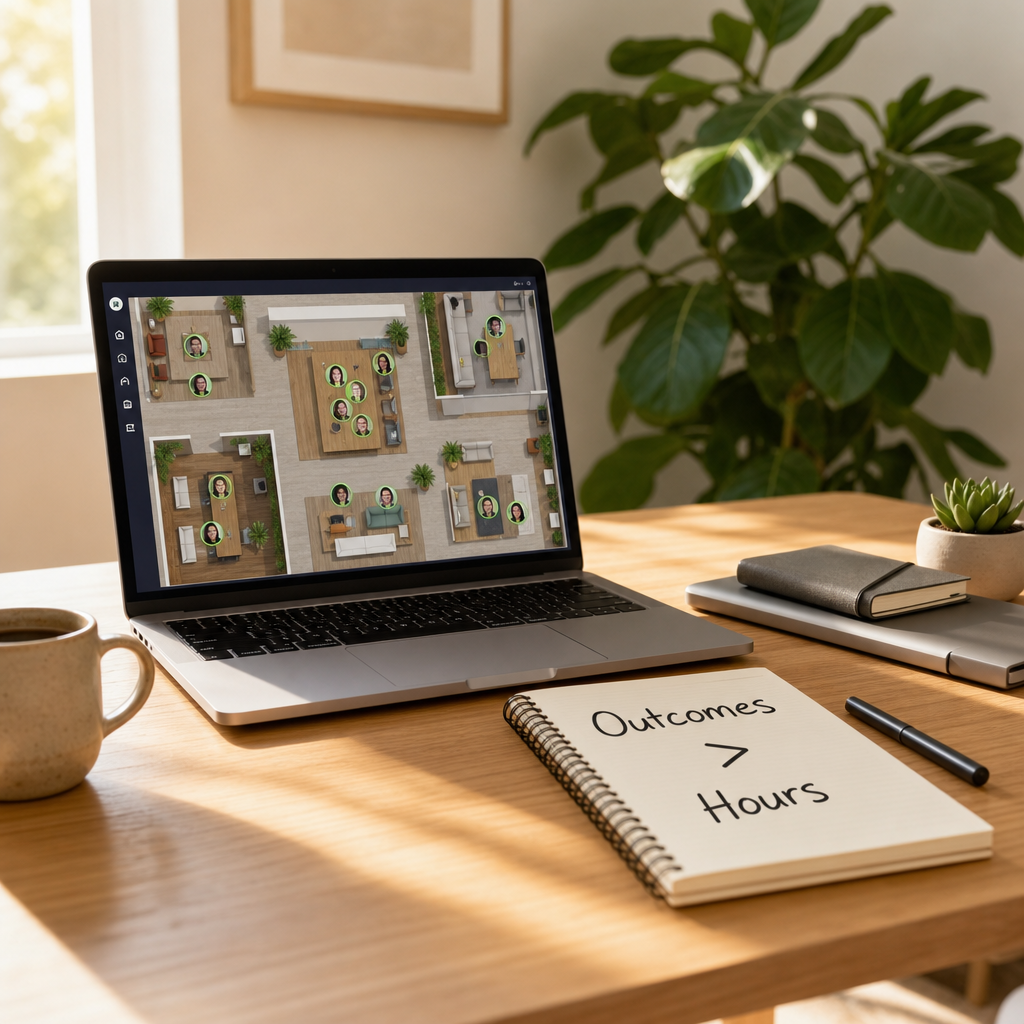
A virtual office environment serves as a digital headquarters where team members are visible in real-time. By utilizing platforms like Hurbly.ai, companies can bridge the physical gap between employees. This visibility is a cornerstone of remote work productivity, as it allows individuals to see who is currently focused, who is available for a quick question, and who is already engaged in a discussion. This transparency reduces the cognitive load of wondering when to reach out to a colleague.
Real-Time Presence Indicators and Their Impact
Real-time presence technology functions by displaying the current status of every team member on a centralized dashboard. This system is vital for remote work productivity because it eliminates the guesswork associated with asynchronous communication. Instead of sending a message and waiting hours for a reply, a user can check the virtual office to see if a teammate is "at their desk." This immediate feedback loop is essential for maintaining a steady workflow and high remote work productivity.
These indicators typically categorize user states into several distinct modes:
- Available: Ready for spontaneous interaction or quick queries.
- Focused: Engaged in deep work where interruptions should be minimized to protect remote work productivity.
- In a Meeting: Currently speaking with others, signaling that they are unavailable for new tasks.
- Away: Temporarily disconnected from the workstation.
By respecting these visual boundaries, teams can foster a culture of deep work. Protecting "Focus Mode" ensures that remote work productivity remains high by preventing the constant "pinging" that characterizes many digital workspaces. When employees know their focus time is respected, they can complete complex tasks faster and with fewer errors.
Facilitating Spontaneous Collaboration Without Scheduled Calls
One of the greatest challenges to remote work productivity is the "meeting fatigue" caused by over-scheduling. In a traditional office, a 30-second hallway conversation can solve a problem that would otherwise require a 30-minute scheduled video call. Virtual office platforms replicate this spontaneity. By allowing users to start instant conversations, Hurbly.ai helps maintain high remote work productivity by resolving minor issues before they escalate into time-consuming calendar events.
The process for spontaneous interaction usually follows these steps:
- Identify a colleague who is marked as "Available" on the dashboard.
- Initiate a quick audio or video connection with a single click.
- Discuss the specific item and conclude the interaction immediately.
- Return to individual tasks, preserving the momentum of remote work productivity.
This fluid interaction model is particularly beneficial for freelancers and distributed teams who need to align quickly on project updates. By reducing the friction of coordination, the entire organization experiences a boost in remote work productivity. It moves the team away from a rigid, schedule-driven culture toward a more natural, result-oriented flow.
Comparative Benefits of Virtual Offices for Distributed Teams
The transition from standard messaging apps to a dedicated virtual office significantly alters how a team functions. The following table illustrates how different communication styles impact remote work productivity:
| Feature | Standard Messaging | Virtual Office (Hurbly.ai) | Impact on Productivity |
|---|---|---|---|
| Visibility | Manual status updates | Real-time presence tracking | Increases remote work productivity |
| Interaction | Asynchronous/Delayed | Instant/Spontaneous | Accelerates decision-making |
| Focus | Constant interruptions | Visual "Focus" boundaries | Protects deep work cycles |
| Culture | Isolated/Text-based | Connected/Presence-based | Enhances team morale and output |
Implementing these tools is not just about technology; it is about creating a sustainable environment for long-term remote work productivity. When teams feel connected and visible, the sense of isolation decreases, leading to higher engagement and better retention.
Strategies for Optimizing Remote Work Productivity in 2026
To maximize remote work productivity, organizations must establish clear protocols for how virtual office tools are used. Consistency is key; when every team member utilizes presence indicators accurately, the system becomes a reliable source of truth. This reliability is the foundation of efficient scaling in a remote-first world.
Key strategies for maintaining high remote work productivity include:
- Defining Status Meanings: Ensure everyone understands what "Available" or "Busy" implies regarding response times.
- Encouraging Brief Check-ins: Use the instant conversation feature for quick updates rather than long meetings.
- Prioritizing Asynchronous Documentation: While spontaneous talk is good for remote work productivity, recording key decisions in writing ensures no information is lost.
- Integrating Tools: Connect the virtual office with other project management software to create a unified ecosystem.
By focusing on these areas, companies can ensure that their investment in Hurbly.ai translates into measurable gains in remote work productivity. As we move further into 2026, the ability to simulate a physical office's social and professional cues in a digital space will remain a competitive advantage for any distributed workforce. High remote work productivity is the result of combining the right technology with a culture of transparency and mutual respect for time.