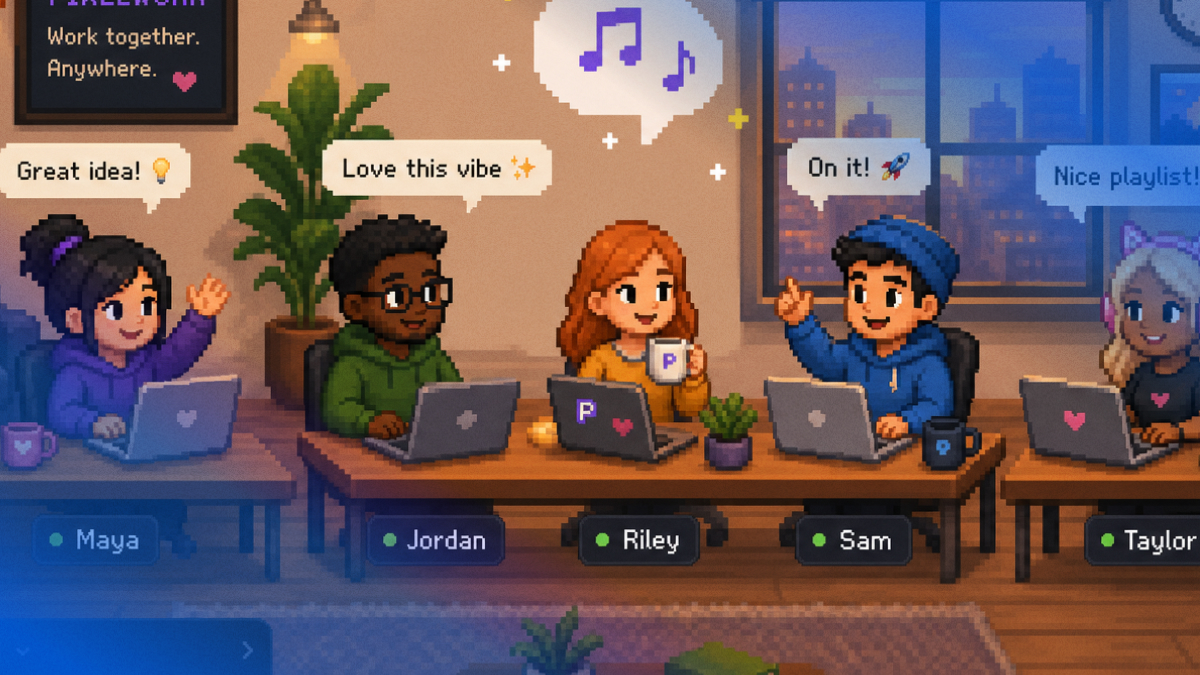
Strategies for Enhancing Collaboration as a Remote Worker in 2026
In this article

Strategies for Enhancing Collaboration as a Remote Worker in 2026
The professional landscape has evolved significantly, making the role of a remote worker central to the global economy. To maintain high levels of productivity, every remote worker must adopt specific digital habits that bridge the gap between physical distance and team cohesion. Effective collaboration in a distributed environment relies on transparency and the ability to access colleagues without the friction of constant scheduling.
Modern workflows require a remote worker to be visible within their digital workspace. Unlike traditional office settings where physical presence signals availability, a remote worker needs specialized tools to broadcast their current status. This visibility ensures that team members can interact spontaneously, reducing the isolation often felt when working from home or a coworking space.
Real-Time Presence and Digital Office Environments
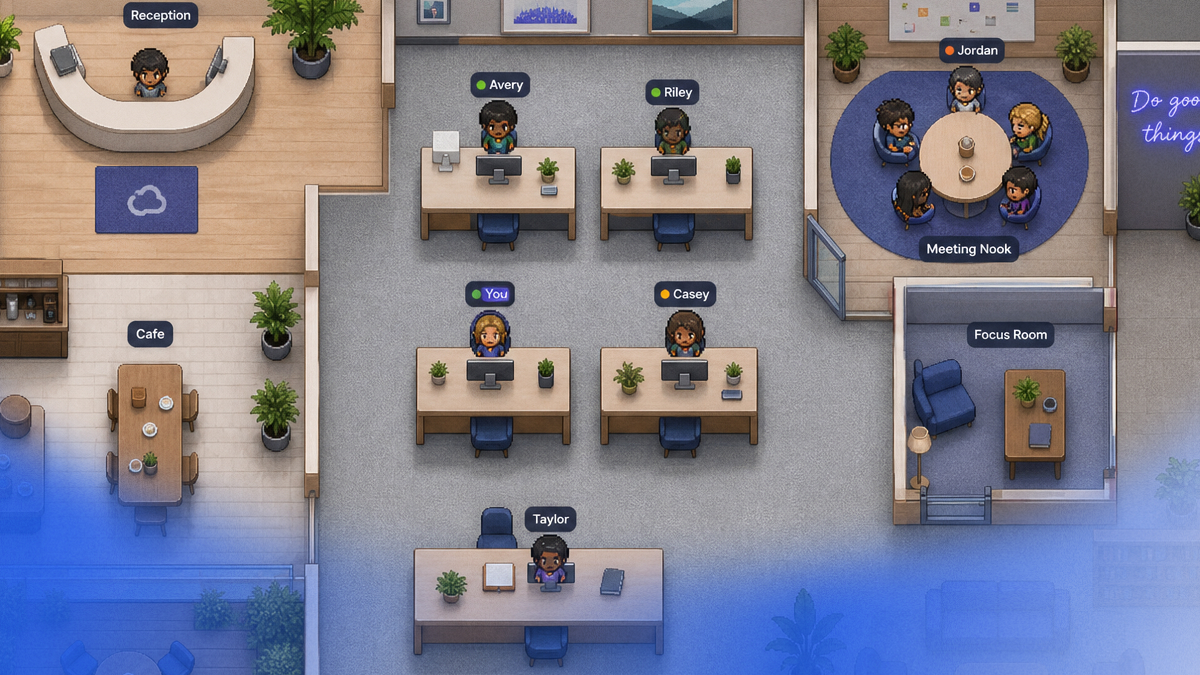
A digital office serves as a centralized hub where a remote worker can see their colleagues in real-time. Platforms like Hurbly.ai provide a visual representation of the team, showing who is currently focused on a task, who is available for a quick chat, or who is occupied in a meeting. This system allows a remote worker to make informed decisions about when to initiate contact, preventing unnecessary interruptions during deep work phases.
By using presence indicators, a remote worker can replicate the "tap on the shoulder" dynamic found in physical offices. This technology eliminates the need for back-and-forth messaging to check availability. When a remote worker sees a peer is free, they can start an instant conversation, which accelerates decision-making and fosters a more connected team culture.
Improving Communication Efficiency for Distributed Teams
Effective communication for a remote worker involves balancing synchronous and asynchronous methods. While messaging apps are useful for non-urgent updates, they often lack the nuance of verbal interaction. A remote worker benefits from tools that facilitate quick voice or video huddles without the formality of a calendar invite. This approach minimizes "meeting fatigue" and keeps workflows fluid.
| Communication Type | Best Use Case for a remote worker | Benefit |
|---|---|---|
| Instant Huddle | Clarifying complex tasks or quick brainstorming | Reduces email volume and saves time |
| Presence Status | Signaling deep work or break times | Manages expectations and reduces interruptions |
| Text Messaging | Non-urgent updates and documentation | Provides a searchable record of information |
The integration of real-time status updates allows a remote worker to feel part of a living organization rather than an isolated unit. This transparency is vital for managers to understand team capacity and for a remote worker to feel supported by their peers throughout the workday.
Reducing Friction in Virtual Coordination
One of the primary challenges for a remote worker is the administrative overhead of coordinating across different time zones. To mitigate this, teams should utilize platforms that offer a bird's-eye view of the entire workforce. When a remote worker can see the local time and availability of their international counterparts at a glance, coordination becomes a seamless part of the process rather than a logistical hurdle.
Furthermore, reducing the reliance on scheduled video calls allows a remote worker to reclaim their schedule. By utilizing Hurbly.ai, a remote worker can engage in spontaneous interactions that are often more productive than hour-long structured meetings. This shift toward informal, high-frequency communication helps maintain social bonds and ensures that every remote worker stays aligned with the project goals.
Essential Tools for the Modern Remote Worker
To succeed in 2026, a remote worker must curate a tech stack that prioritizes connectivity and ease of use. The following components are essential for maintaining a high-performance remote environment:
- Presence Platforms: Tools that show real-time availability to facilitate instant engagement.
- Collaborative Documentation: Shared spaces where a remote worker can contribute to projects simultaneously.
- Task Management Systems: Visual boards that track progress and assign responsibilities clearly.
- Reliable Hardware: High-quality audio and video equipment to ensure clear communication during huddles.
By focusing on these areas, a remote worker can ensure they remain productive and integrated within their team. The goal is to create a digital environment where the remote worker experiences the same level of accessibility and community as they would in a traditional office, regardless of their physical location.