Understanding Rules of Engagement for Remote Teams in 2026

In this article

Understanding Rules of Engagement for Remote Teams in 2026
Effective communication in a digital workspace requires a clear framework to manage interactions and expectations. These frameworks, often referred to as rules of engagement, define how team members interact, which tools they use for specific tasks, and how they respect each other's time. Without established rules of engagement, remote work can lead to burnout, communication silos, and a lack of transparency regarding availability. By setting these standards, organizations ensure that every team member understands the protocols for both synchronous and asynchronous collaboration.
Implementing rules of engagement helps bridge the gap between physical proximity and digital isolation. In a traditional office, social cues like seeing someone with headphones on provide immediate context. In a remote setting, these cues must be digitized. Establishing rules of engagement ensures that team members know when it is appropriate to initiate a quick chat or when they should wait for a scheduled window. This structured approach to communication minimizes interruptions and maximizes deep work cycles.
How Rules of Engagement Improve Team Presence
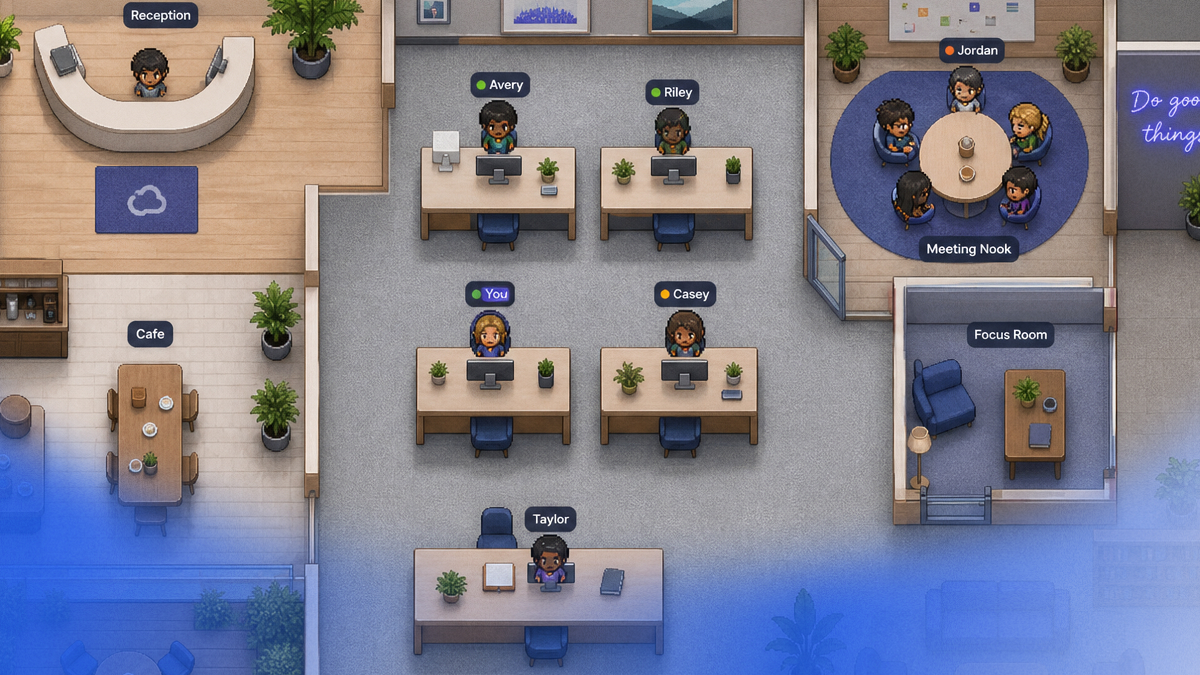
The core of a successful remote culture is the ability to see and feel the presence of colleagues. When a team adopts specific rules of engagement, they create a predictable environment where everyone knows how to signal their current status. For example, a team might decide that a "Focus Mode" status means no direct messages should be sent unless there is an emergency. These rules of engagement turn vague availability into actionable data, allowing for smoother transitions between individual tasks and collaborative sessions.
To facilitate this, many teams use Hurbly.ai, a platform designed to visualize team presence in real-time. By integrating digital presence indicators with your team's rules of engagement, you can replicate the spontaneous interactions of a physical office. When the rules of engagement are clearly defined, seeing a colleague's status on a virtual floor plan allows for instant, friction-free conversations. This reduces the need for constant "Are you there?" messages and replaces them with a transparent, visual workflow.
Key Components of Effective Rules of Engagement
Creating a comprehensive set of rules of engagement involves defining the purpose of every communication channel. Teams should categorize their interactions to avoid information overload. A well-structured set of rules of engagement typically includes:
- Response Time Expectations: Define how quickly a team member should respond on different platforms (e.g., instant messaging vs. email).
- Meeting Protocols: Establish when a meeting is necessary and when a status update can be handled asynchronously.
- Availability Signaling: Use tools like Hurbly.ai to show if you are in a meeting, focused, or available for a quick coffee break.
- Emergency Procedures: Outline the specific rules of engagement for urgent issues that require immediate attention outside of standard working hours.
By documenting these points, teams reduce anxiety and prevent the "always-on" culture that often plagues remote work. These rules of engagement serve as a social contract that protects individual productivity while fostering a sense of belonging and collective momentum.
Steps to Implement Rules of Engagement in Your Organization
- Audit Current Communication: Identify where bottlenecks occur and which channels are being overused or ignored.
- Draft the Framework: Collaborate with the team to define the initial rules of engagement, ensuring they are realistic and helpful.
- Select Supporting Tools: Implement a virtual office platform like Hurbly.ai to make presence and availability visible to everyone at a glance.
- Test and Refine: Apply the rules of engagement for a month and then gather feedback to see if they have improved clarity or if they need adjustment.
- Formalize Documentation: Keep the rules of engagement in a central, accessible location so new hires can quickly adapt to the team culture.
Comparing Communication Styles Under Rules of Engagement
| Feature | Without Rules of Engagement | With Rules of Engagement |
|---|---|---|
| Availability | Guesswork and frequent interruptions | Clear visual status via Hurbly.ai |
| Response Times | Inconsistent and stressful | Defined by the rules of engagement |
| Collaboration | Heavily reliant on scheduled calls | Spontaneous and fluid interactions |
| Deep Work | Often interrupted by notifications | Protected by established rules of engagement |
| Transparency | Low; team members feel isolated | High; real-time visibility of the whole team |
Adopting these rules of engagement ensures that the digital environment remains productive. When everyone follows the same rules of engagement, the friction of coordination disappears. Using a platform like Hurbly.ai further strengthens these rules of engagement by providing the technological layer needed to see who is available, who is in a meeting, and who is currently focused on a task. This combination of clear policy and real-time technology is the most effective way to manage distributed teams in 2026.