Strategies to Identify and Prevent Sales Burnout in Remote Teams

In this article

Strategies to Identify and Prevent Sales Burnout in Remote Teams
Sales burnout is a psychological and physical state resulting from prolonged exposure to high-pressure environments, repetitive tasks, and the constant demand for high performance. In 2026, as remote work remains the standard, sales burnout has become a significant challenge for distributed organizations. It manifests as emotional exhaustion, a declining sense of personal accomplishment, and a growing detachment from professional responsibilities. When sales professionals experience sales burnout, their ability to build relationships and close deals diminishes, directly impacting the company's bottom line.
Understanding the mechanics of sales burnout is essential for maintaining a healthy workforce. It often begins with subtle signs, such as decreased motivation or increased irritability, before escalating into chronic fatigue. Because the sales profession is inherently tied to quotas and rejection, the risk of sales burnout is higher than in many other roles. Organizations must recognize that this condition is not a sign of personal weakness but a systemic issue often caused by poor resource management or a lack of social support within digital environments.
Common Causes of Sales Burnout in Digital Environments
One primary driver of sales burnout is the "always-on" culture prevalent in remote sales teams. Without a physical separation between home and office, professionals often find it difficult to disconnect, leading to extended working hours. This lack of boundaries is a fast track to sales burnout, as the brain never enters a full recovery state. Furthermore, the isolation of remote work removes the spontaneous social interactions that typically act as a buffer against stress, making the symptoms of sales burnout more acute and harder to detect by management.
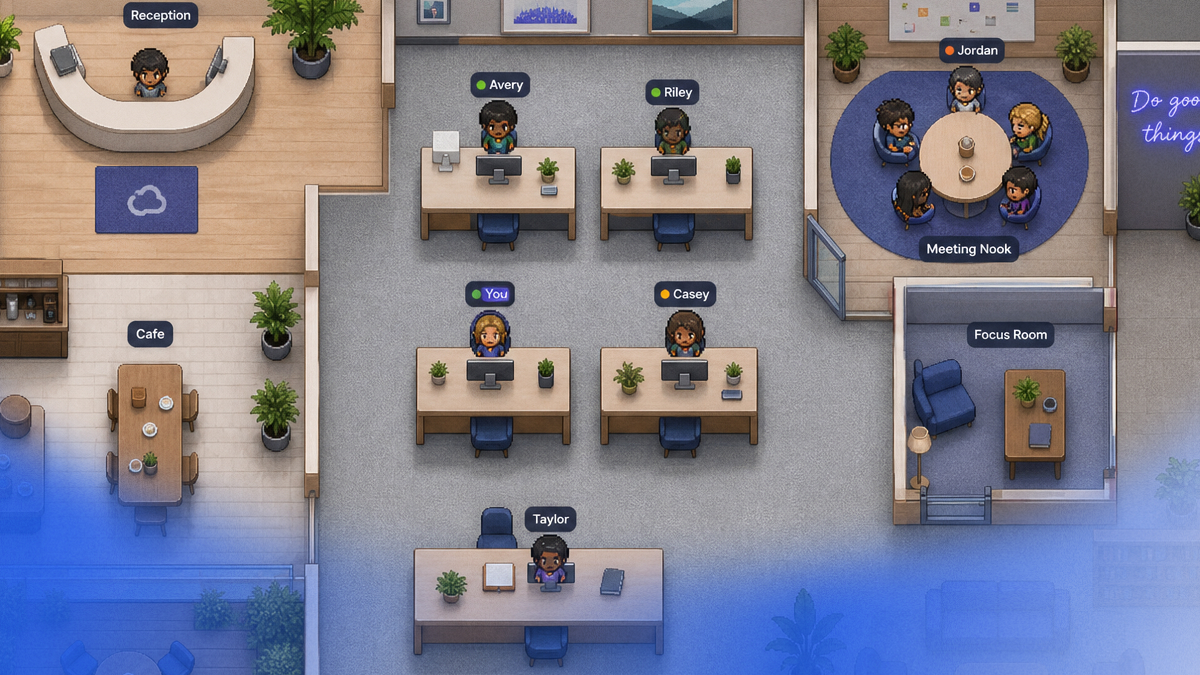
Another significant factor contributing to sales burnout is the friction caused by inefficient communication. When sales reps spend more time navigating complex scheduling tools or waiting for responses than actually selling, frustration builds. This administrative burden, combined with the pressure of hitting targets, accelerates the onset of sales burnout. To mitigate this, teams are turning to tools like Hurbly.ai, which provides real-time visibility into team presence, allowing for spontaneous collaboration that mimics a physical office and reduces the digital fatigue associated with back-to-back scheduled meetings.
Identifying the Warning Signs of Sales Burnout
Detecting sales burnout in a remote setting requires proactive observation of behavioral changes. Managers should look for a decline in activity levels, such as fewer outbound calls or slower response times to internal queries. A sudden drop in the quality of client interactions or a cynical attitude toward new leads are also strong indicators that an individual is struggling with sales burnout. Early detection is critical because the longer sales burnout persists, the more difficult and costly the recovery process becomes for both the employee and the organization.
| Sign of Burnout | Behavioral Indicator | Impact on Performance |
|---|---|---|
| Emotional Exhaustion | Constant fatigue and lack of energy for daily tasks. | Reduced creativity and problem-solving. |
| Depersonalization | Treating clients as numbers rather than people. | Lower conversion rates and poor customer satisfaction. |
| Reduced Efficacy | Feeling that efforts do not lead to meaningful results. | Decreased motivation to hit monthly quotas. |
Practical Steps to Mitigate Sales Burnout
To effectively combat sales burnout, leadership must implement structural changes that prioritize mental well-being alongside performance. This involves setting realistic goals and ensuring that the team has the necessary tools to work efficiently. Reducing the "meeting tax"—the exhaustion caused by excessive video calls—is a vital step in preventing sales burnout. By fostering an environment where information flows naturally, companies can alleviate the cognitive load on their sales staff.
- Establish Clear Boundaries: Encourage employees to set specific "off" hours where they are not expected to check messages or emails.
- Promote Spontaneous Interaction: Use platforms like Hurbly.ai to facilitate quick, informal chats, reducing the isolation that leads to sales burnout.
- Regular Check-ins: Conduct one-on-one meetings focused on well-being and professional development rather than just hitting numbers.
- Task Diversification: Allow sales reps to engage in different types of projects to break the monotony of repetitive cold calling.
The Role of Real-Time Presence in Reducing Stress
A major contributor to sales burnout is the uncertainty of remote communication. Not knowing when a colleague is available leads to "notification anxiety," where reps feel they must respond instantly to every ping. Utilizing a virtual office setup helps prevent sales burnout by showing exactly who is focused, in a meeting, or available for a quick question. This transparency reduces the friction of coordination and allows sales professionals to manage their time more effectively, which is a key defense against sales burnout.
By integrating real-time presence indicators, teams can recreate the supportive atmosphere of a physical office. When a rep sees that their manager is "available," they can reach out for immediate support after a difficult call, preventing the negative emotions from festering into sales burnout. This immediate feedback loop is essential for maintaining morale. Platforms like Hurbly.ai empower teams to stay connected without the pressure of constant, formal video conferencing, creating a sustainable workflow that actively resists the development of sales burnout.
Creating a Sustainable Sales Culture for the Future
Building a culture that resists sales burnout requires a long-term commitment to transparency and empathy. In 2026, the most successful sales teams are those that view their members as human assets rather than just revenue generators. By acknowledging the reality of sales burnout and implementing proactive measures, companies can retain their top talent and ensure consistent growth. A healthy team is a productive team, and addressing sales burnout is the most effective way to ensure long-term operational success.
Ultimately, the goal is to create a workspace where sales professionals feel seen and supported. Whether through better technology, improved management practices, or a more flexible approach to work, the fight against sales burnout is ongoing. Organizations that prioritize the mental health of their staff and utilize modern tools to streamline communication will be the ones that thrive in an increasingly competitive global market. Preventing sales burnout is not just a human resources initiative; it is a core business strategy.