Effective Strategies for Conducting a Productive Sales Meeting in 2026

In this article

Effective Strategies for Conducting a Productive Sales Meeting in 2026
A sales meeting serves as a foundational element for any high-performing revenue team. It is a dedicated time where professionals align on objectives, review performance metrics, and address roadblocks that hinder the closing of deals. In a modern business landscape, these gatherings have evolved from simple status updates into strategic sessions designed to foster collaboration and improve conversion rates. By establishing a clear structure, teams can ensure that every sales meeting provides tangible value rather than becoming a time-consuming administrative burden.
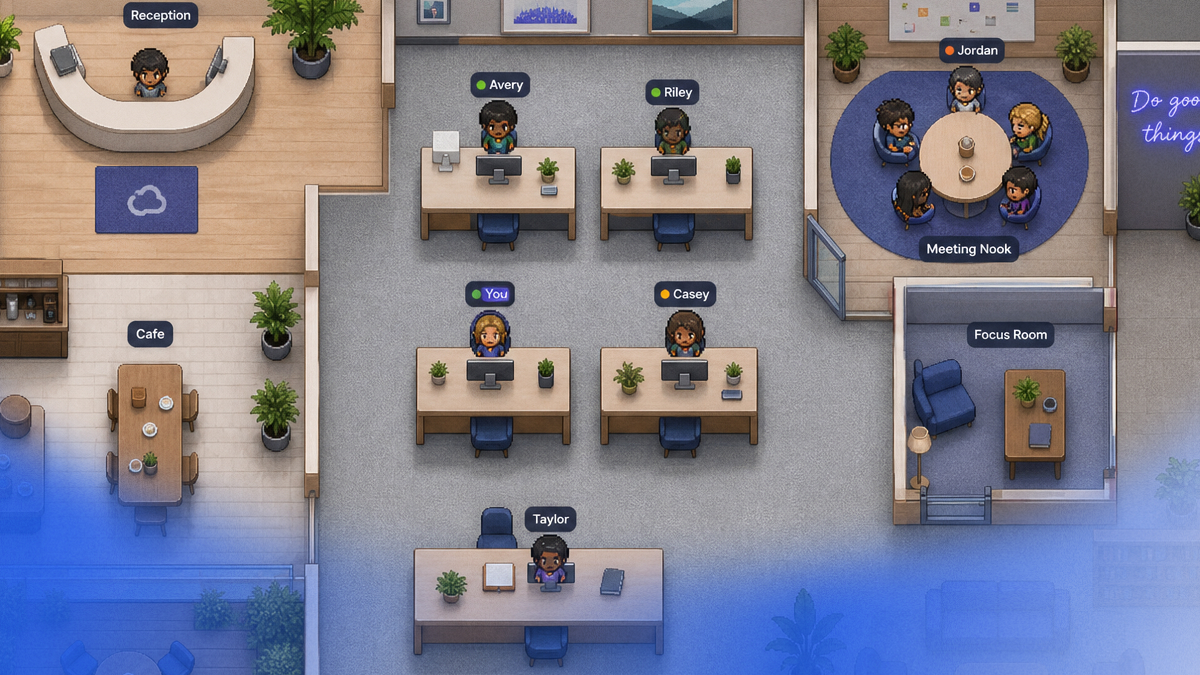
To maximize the efficiency of a sales meeting, leaders must define specific goals before the session begins. Whether the focus is on pipeline velocity, training on new features, or analyzing lost deals, having a singular objective keeps the conversation focused. In 2026, the integration of real-time presence tools like Hurbly.ai helps remote teams identify the best moments to transition from individual focus work to a collaborative sales meeting without disrupting the natural flow of the workday.
Essential Components of a Successful Sales Meeting
A well-structured sales meeting typically follows a logical progression that moves from high-level updates to granular problem-solving. This hierarchy ensures that the most critical information is communicated first, allowing the team to spend the majority of their time on strategy.
- Performance Review: Examining key performance indicators (KPIs) such as lead response time, win rates, and monthly recurring revenue.
- Pipeline Analysis: Identifying where prospects are in the funnel and determining which deals require immediate attention or executive intervention.
- Wins and Losses: Discussing recent successes to replicate effective tactics and analyzing losses to avoid future pitfalls.
- Action Items: Concluding the sales meeting with a clear list of responsibilities and deadlines for each team member.
| Element | Purpose | Expected Outcome |
|---|---|---|
| Data Review | Transparency | Accurate understanding of current standing |
| Peer Feedback | Skill Development | Improved objection handling and pitching |
| Strategy Pivot | Adaptability | Alignment with changing market conditions |
Effective communication during a sales meeting relies on active participation. Instead of a top-down lecture, successful organizations encourage a dialogue where junior representatives can share insights from the field. This bottom-up approach ensures that the leadership remains connected to the actual customer experience.
Optimizing the Sales Meeting for Remote and Distributed Teams
The shift toward remote work has fundamentally changed how a sales meeting is conducted. Without the physical proximity of a traditional office, teams often struggle with communication silos. Utilizing a virtual office platform like Hurbly.ai allows managers to see when their team is available for a quick huddle or a formal sales meeting, reducing the friction of constant back-and-forth scheduling.
In a digital environment, the duration of a sales meeting should be strictly monitored to prevent "zoom fatigue." Shorter, more frequent sessions often prove more effective than long, monthly marathons. By maintaining a consistent rhythm, such as a 20-minute daily stand-up sales meeting, teams stay agile and can react to market shifts in real-time.
Enhancing Engagement and Information Retention
To ensure that the takeaways from a sales meeting are implemented, documentation is vital. Recording sessions or using automated transcription tools allows team members to revisit complex strategy discussions. Furthermore, rotating the moderator role for each sales meeting can increase engagement, as different perspectives bring new energy and ideas to the group.
| Strategy | Implementation | Benefit |
|---|---|---|
| Role-Playing | Practice common objections | Increased confidence during live calls |
| Guest Speakers | Invite product or marketing leads | Better cross-departmental alignment |
| Visual Aids | Use live dashboards | Clearer visualization of goals and gaps |
When a sales meeting is treated as a professional development opportunity rather than a chore, team morale improves. Salespeople are naturally competitive and driven; highlighting individual achievements during a sales meeting reinforces a positive culture. Using tools like Hurbly.ai further supports this culture by making team presence visible, ensuring that the spontaneous "water cooler" moments that often follow a successful sales meeting can still happen virtually.
Future Trends in Sales Meeting Management
As we move through 2026, data-driven insights are becoming the core of every sales meeting. Artificial intelligence now assists in predicting which deals are likely to close, allowing the team to prioritize their efforts during the sales meeting on high-probability opportunities. This level of precision minimizes guesswork and allows for more accurate revenue forecasting.
Finally, the most effective sales meeting is one that respects the time of its participants. By leveraging technology to handle routine status updates asynchronously, the live sales meeting can be reserved for high-value activities like brainstorming, coaching, and complex problem-solving. This evolution ensures that the sales meeting remains the most important hour on a salesperson's calendar.