Understanding Real-Time Presence and Secure Communication in Remote Teams

In this article

Understanding Real-Time Presence and Secure Communication in Remote Teams
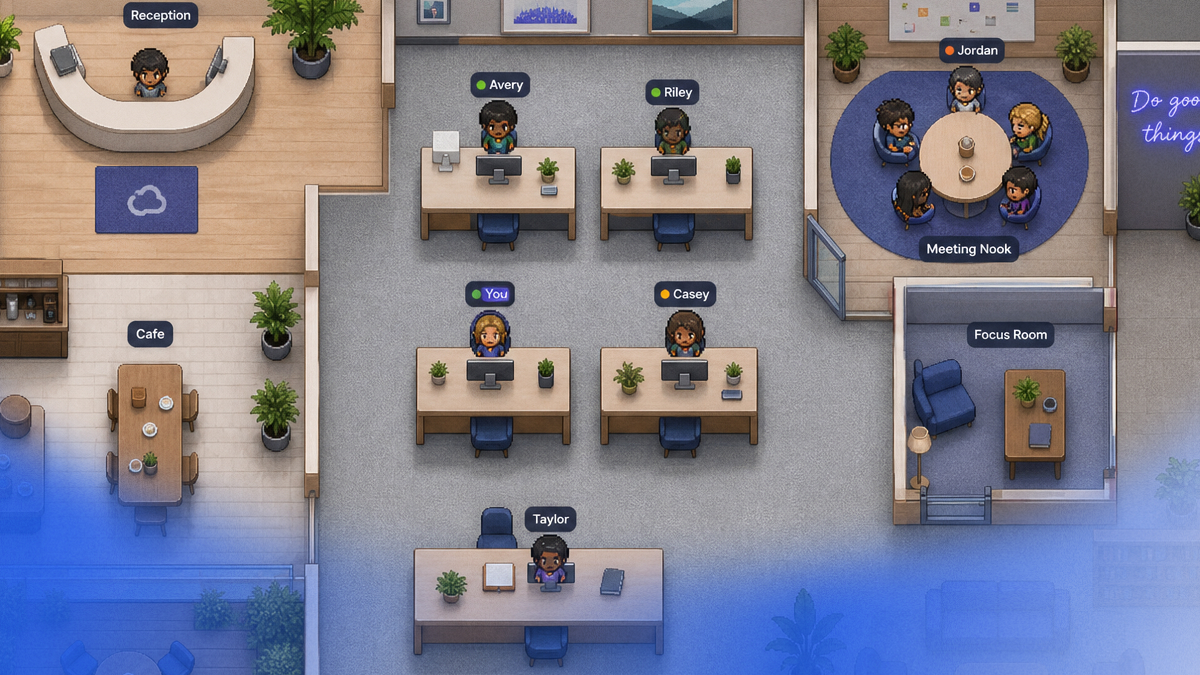
In 2026, the landscape of digital collaboration has evolved to prioritize transparency and immediate connectivity. Remote teams often face challenges with isolation and the friction of scheduling every single interaction. To address this, virtual office platforms like Hurbly.ai provide a visual layer of team presence. This technology allows members to see who is currently available, deeply focused, or busy in a meeting. By visualizing the digital workspace, teams can reduce the cognitive load of wondering when to reach out, ensuring that secure communication remains both efficient and appropriately timed.
The core functionality of a virtual office involves real-time status indicators that update automatically based on user activity. This system replicates the "open door" policy of a physical office, where a quick glance can tell you if a colleague is open to a brief chat. Implementing such a system requires a robust infrastructure for secure communication to protect sensitive team interactions and presence data. When team members can see each other's status, they are more likely to engage in spontaneous problem-solving, which often leads to faster project completion than waiting for a scheduled video conference.
How Virtual Presence Enhances Team Coordination
A virtual office works by integrating with a user's workflow to display their current availability. For example, if a developer is in "Deep Work" mode, the platform signals others to avoid interruptions. This clarity is vital for maintaining high productivity levels. Furthermore, the platform facilitates secure communication by providing encrypted channels for instant voice or video interactions. Instead of sending a message and waiting hours for a reply, users can initiate a quick conversation the moment they see a colleague is free, mimicking the natural flow of a shared physical space.
To maximize the benefits of these tools, organizations should focus on several key areas:
- Real-time Visibility: Knowing exactly who is online and what their current focus is.
- Spontaneous Interaction: Reducing the barrier to starting a conversation without the need for calendar invites.
- Privacy Controls: Allowing users to manage their visibility while maintaining secure communication standards.
- Reduced Meeting Fatigue: Replacing long, unnecessary meetings with short, focused "drive-by" syncs.
The Role of Secure Communication in Distributed Environments
For freelancers and distributed organizations, the integrity of data exchange is a primary concern. Every interaction, whether it is a quick status update or a detailed project briefing, must happen over a protected network. Utilizing secure communication protocols ensures that internal team dynamics and proprietary information remain confidential. As teams grow more global, the reliance on these encrypted pathways becomes the backbone of daily operations, allowing for a seamless transition between different time zones without compromising safety.
The technical implementation of secure communication involves end-to-end encryption and verified access points. This ensures that only authorized team members can view the live office map or participate in instant audio rooms. By prioritizing a secure environment, Hurbly.ai helps teams focus on collaboration rather than worrying about data leaks. This level of protection is essential for maintaining trust within a remote workforce, especially when handling sensitive client data or internal strategic plans.
Benefits of Spontaneous Collaboration Tools
Traditional messaging apps often lead to a "wall of text" that can be overwhelming and easy to misinterpret. In contrast, platforms that enable secure communication through live presence allow for more nuanced interactions. When you can see a coworker is available and jump into a quick call, the tone and context are much clearer than in a written message. This immediacy helps in resolving complex issues that would otherwise require dozens of back-and-forth emails, making secure communication a tool for both safety and speed.
| Feature | Impact on Remote Teams | Importance of Security |
|---|---|---|
| Real-time Presence | Increases transparency and reduces isolation. | Protects user status data. |
| Instant Audio/Video | Facilitates quick decision-making. | Requires secure communication channels. |
| Status Customization | Respects individual focus time and boundaries. | Ensures privacy settings are honored. |
| Digital Office Map | Creates a sense of belonging and "place." | Keeps the virtual layout private. |
Integrating Secure Communication into Daily Workflows
Adopting a virtual office platform requires a shift in mindset from "asynchronous by default" to "connected by default." This doesn't mean being available 24/7, but rather being transparent about when you are working. By using secure communication methods, teams can share their screens or documents during these spontaneous moments with total confidence. This fluid exchange of information is what defines successful remote teams in 2026, as it bridges the gap between physical distance and collaborative proximity.
To effectively integrate these tools, teams should follow a structured approach:
- Establish clear guidelines on what different status indicators mean for your specific team.
- Encourage the use of "quick syncs" to replace long, scheduled status updates.
- Ensure all team members are trained on how to use secure communication features correctly.
- Regularly review the team's workflow to see if the virtual office is reducing friction.
By focusing on these steps, organizations can leverage secure communication to build a more resilient and connected culture. Platforms like Hurbly.ai are at the forefront of this movement, providing the necessary tools to make remote work feel less remote. Ultimately, the goal is to create an environment where secure communication is the standard, allowing for innovation and collaboration to thrive regardless of where each team member is located. High-quality secure communication is no longer just a feature; it is a fundamental requirement for the modern digital workspace.