Optimizing Remote Team Coordination with Standup Software in 2026

In this article

Optimizing Remote Team Coordination with Standup Software in 2026
Effective team synchronization is the foundation of successful remote operations. A standup software serves as a centralized digital hub where distributed teams track progress, identify blockers, and align on daily objectives. Unlike traditional meetings that often consume excessive time, this technology streamlines the communication process by providing a structured framework for quick updates. By utilizing a standup software, organizations can ensure that every team member remains informed about project statuses without the need for constant, disruptive pings or long video conferences.
The primary function of a standup software is to facilitate transparency. It allows developers, managers, and stakeholders to see exactly what has been completed and what is currently in progress. This visibility is crucial for maintaining momentum in fast-paced environments. When teams integrate a standup software into their daily routine, they reduce the cognitive load associated with tracking multiple tasks across different platforms. This systematic approach to daily updates helps in building a reliable historical record of team performance and project evolution.
How Standup Software Enhances Real-Time Presence and Collaboration
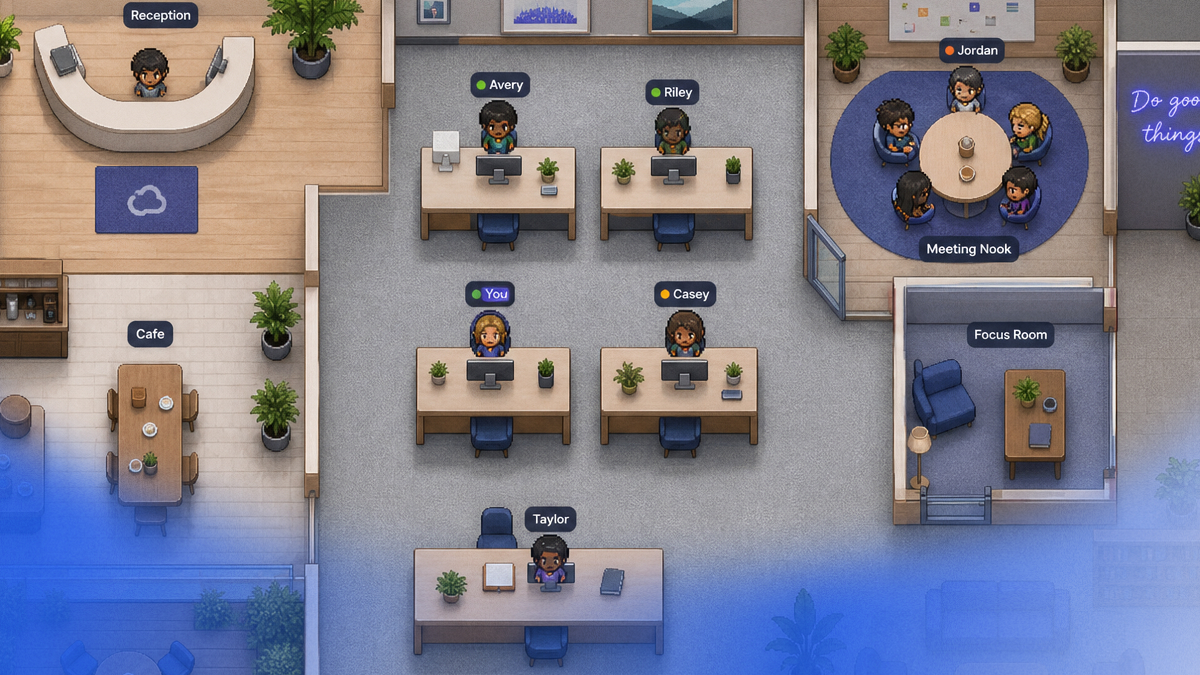
Modern collaboration requires more than just task lists; it demands an understanding of team availability. While a standup software manages the "what" and "when" of work, platforms like Hurbly.ai complement this by managing the "who" and "where." By showing who is focused, available, or in a meeting, these tools work alongside your standup software to create a comprehensive virtual office environment. This combination allows for spontaneous interactions that mimic the natural flow of a physical workspace, reducing the friction often found in remote settings.
Integrating a standup software with presence-based tools ensures that follow-up conversations triggered by daily updates happen at the right time. For example, if a developer mentions a blocker in the standup software, a manager can check their real-time status on a presence platform to initiate a quick clarification call. This prevents the "waiting game" often associated with asynchronous communication. Using a standup software in tandem with live visibility tools creates a high-trust environment where team members feel connected and supported throughout the workday.
Key Features and Benefits of Implementing Standup Software
When selecting a standup software, it is important to look for features that promote clarity and minimize administrative overhead. The goal is to spend less time managing the tool and more time performing actual work. A robust standup software typically includes automated prompts, integration with task management systems, and searchable archives. These features ensure that the data captured during daily check-ins is actionable and easily accessible for future reference.
| Feature | Description | Impact on Team |
|---|---|---|
| Automated Check-ins | Scheduled prompts for team updates. | Ensures consistency in reporting. |
| Blocker Tracking | Dedicated fields to highlight obstacles. | Accelerates problem resolution. |
| Integration | Syncs with other project tools. | Reduces manual data entry. |
| History Logs | Searchable database of past updates. | Improves accountability and tracking. |
The implementation of a standup software leads to more focused meetings. Instead of spending twenty minutes figuring out what everyone did yesterday, the team can use the data already logged in the standup software to dive straight into solving complex problems. This shift from status reporting to active problem-solving is why a standup software is considered an essential component of the modern remote tech stack in 2026.
Improving Remote Culture Through Structured Communication
A significant challenge for distributed teams is the feeling of isolation. A standup software helps mitigate this by providing a consistent touchpoint for all members. Even in an asynchronous setup, the daily ritual of updating the standup software fosters a sense of shared purpose. It reminds everyone that they are part of a larger effort, contributing to a collective goal. When combined with the real-time visibility offered by Hurbly.ai, the standup software becomes part of a broader strategy to maintain a healthy and productive remote culture.
Furthermore, the data collected by a standup software provides valuable insights into team health. If the same blockers appear repeatedly in the standup software logs, leadership can identify systemic issues that need addressing. This proactive management style is only possible when there is a reliable stream of information. By prioritizing the use of a standup software, companies move away from reactive "firefighting" and toward a more stable, predictable, and transparent way of working across different time zones and locations.