Maximizing Productivity Through Strategic Recovery: The Science of Taking Breaks at Work
In this article

Maximizing Productivity Through Strategic Recovery: The Science of Taking Breaks at Work
Taking breaks at work is a fundamental requirement for maintaining high levels of cognitive performance and emotional well-being throughout the day. In 2026, the modern professional landscape demands sustained focus, yet human attention is a finite resource that depletes over time. Research into occupational psychology shows that short, intentional intervals of rest prevent "decision fatigue" and allow the prefrontal cortex to recover. By prioritizing taking breaks at work, employees can sustain their creative output and avoid the diminishing returns associated with long periods of uninterrupted labor.
Effective rest involves more than just stepping away from a desk; it requires a complete mental shift. Engaging in different activities while taking breaks at work—such as stretching, hydrating, or practicing brief mindfulness exercises—helps reset the nervous system. This practice is essential for preventing burnout and ensuring that the quality of work remains consistent from the morning until the end of the shift.
How Remote Teams Facilitate Healthy Work Habits
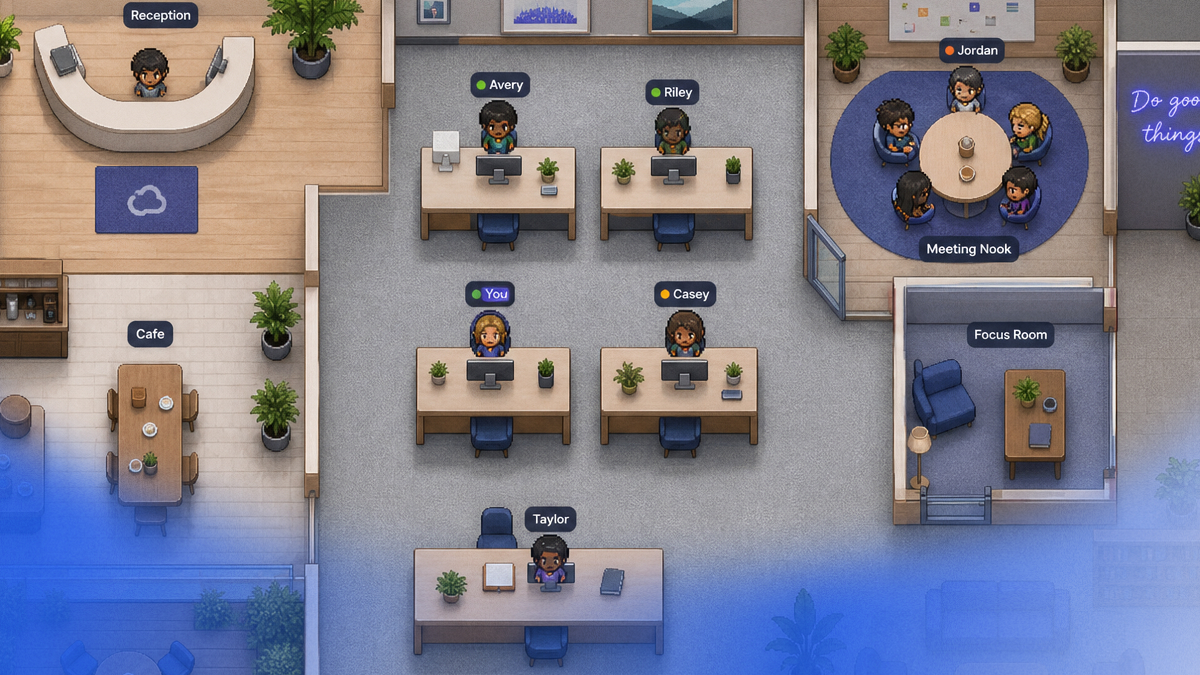
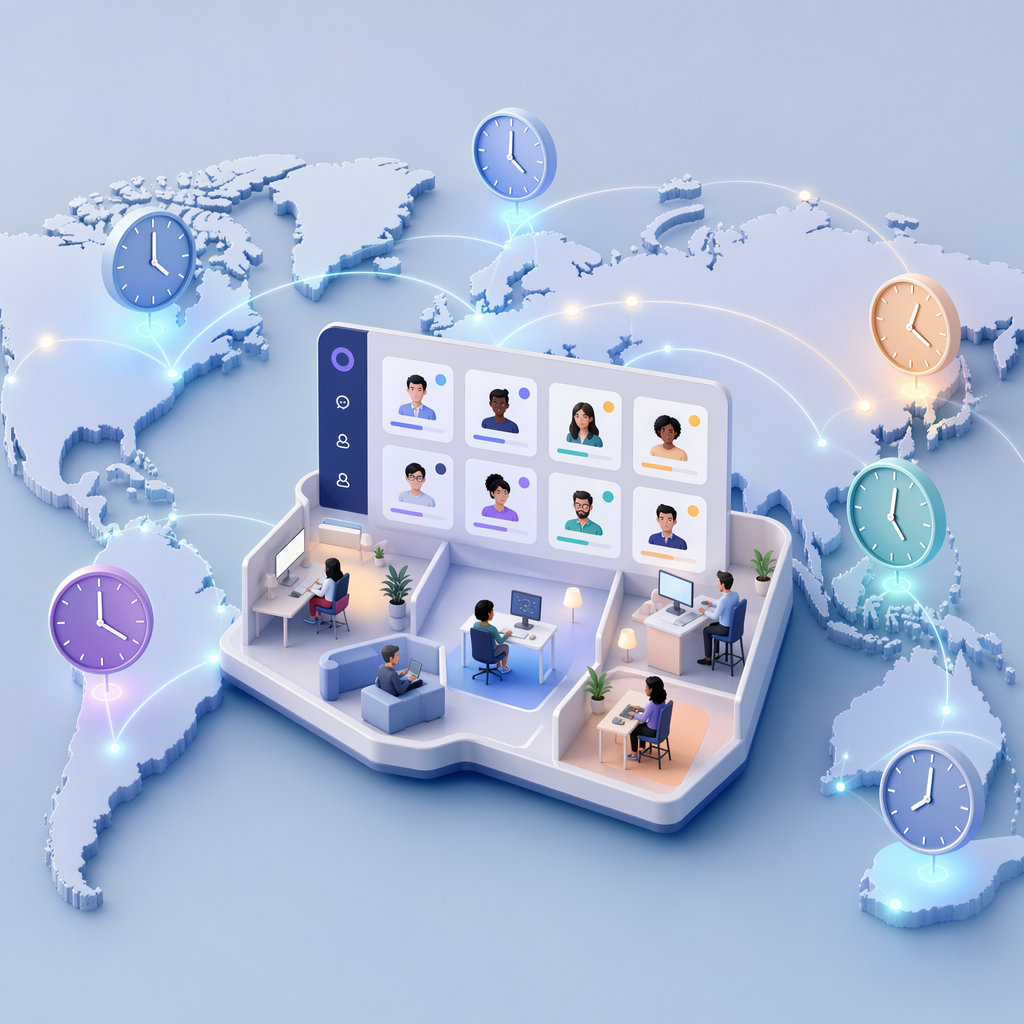
In distributed environments, the visibility of colleagues plays a significant role in how individuals manage their schedules. Tools like Hurbly.ai provide real-time presence indicators that allow team members to see when others are active or resting. This transparency normalizes the process of taking breaks at work, as employees can see when their peers are away, reducing the guilt often associated with stepping away from the keyboard in a remote setting.
When a platform displays that a coworker is currently "recharging," it encourages a culture where taking breaks at work is respected as a professional necessity. This visibility reduces the friction of coordination, as team members know exactly when someone is available for a spontaneous conversation or when they are prioritizing their mental health. By using Hurbly.ai, teams can replicate the natural flow of a physical office where movement and rest are visible and socially accepted.
Structured Techniques for Taking Breaks at Work
To gain the most benefit from rest periods, many professionals adopt structured methodologies. These systems ensure that taking breaks at work becomes a consistent habit rather than an afterthought.
- The Pomodoro Technique: This involves 25 minutes of deep work followed by a 5-minute rest. After four cycles, a longer rest of 15 to 30 minutes is taken.
- The 52/17 Rule: Studies suggest that the most productive employees work for 52 minutes and then spend 17 minutes taking breaks at work to fully detach from their tasks.
- The 20-20-20 Rule: To reduce digital eye strain, every 20 minutes, workers should look at something 20 feet away for at least 20 seconds.
- Movement-Based Rest: Incorporating physical activity while taking breaks at work helps improve circulation and oxygen flow to the brain.
| Break Type | Duration | Primary Benefit |
|---|---|---|
| Micro-break | 1–5 minutes | Reduces physical tension and eye strain |
| Social break | 10–15 minutes | Boosts morale and strengthens team bonds |
| Cognitive break | 15–20 minutes | Restores executive function and focus |
| Physical break | 20+ minutes | Lowers cortisol and improves long-term health |
The Role of Spontaneous Interaction in Team Wellness
One often overlooked aspect of taking breaks at work is the opportunity for informal social interaction. In a traditional office, these happen at the water cooler or in hallways. In 2026, digital platforms have evolved to fill this gap. By seeing who is available on Hurbly.ai, team members can initiate quick, unscheduled chats that serve as social "micro-breaks."
These interactions are vital because they provide a sense of belonging and reduce the isolation common in remote work. Taking breaks at work to engage in non-task-related conversations helps build trust and empathy among distributed staff. When these moments are facilitated by real-time presence technology, they feel natural rather than forced, making the act of taking breaks at work a collaborative and rejuvenating experience.
Long-term Benefits of Consistent Rest Intervals
The cumulative effect of taking breaks at work extends beyond daily productivity; it impacts long-term career longevity. Professionals who master the art of taking breaks at work report higher job satisfaction and fewer stress-related health issues. Organizations that actively encourage their staff to prioritize taking breaks at work see lower turnover rates and higher levels of employee engagement.
Furthermore, taking breaks at work allows for "incidental processing," where the brain continues to solve complex problems in the background while the conscious mind is at rest. This often leads to "eureka" moments that would not occur during forced, continuous concentration. By integrating tools like Hurbly.ai to manage team presence, companies can support a balanced workflow where taking breaks at work is an integral part of the path to success.