Effective Team Building Activities for Small Teams in 2026

In this article

Effective Team Building Activities for Small Teams in 2026
Effective collaboration in remote environments requires more than just standard communication tools. For many organizations, implementing structured team building activities for small teams is the most reliable way to maintain high morale and operational efficiency. These activities serve as the foundation for trust, allowing members of a compact group to understand each other's working styles and communication preferences. In a digital workspace, these interactions bridge the gap created by physical distance, ensuring that every member feels integrated into the collective mission.
When planning team building activities for small teams, the focus should remain on inclusivity and relevance. Small groups benefit from high-engagement tasks where every participant has a voice. Unlike large corporate events, these smaller sessions allow for deeper interpersonal connections and more nuanced problem-solving exercises. By prioritizing these interactions, managers can reduce the feeling of isolation often found in distributed workforces, creating a more cohesive and resilient unit.
Enhancing Remote Presence with Hurbly.ai
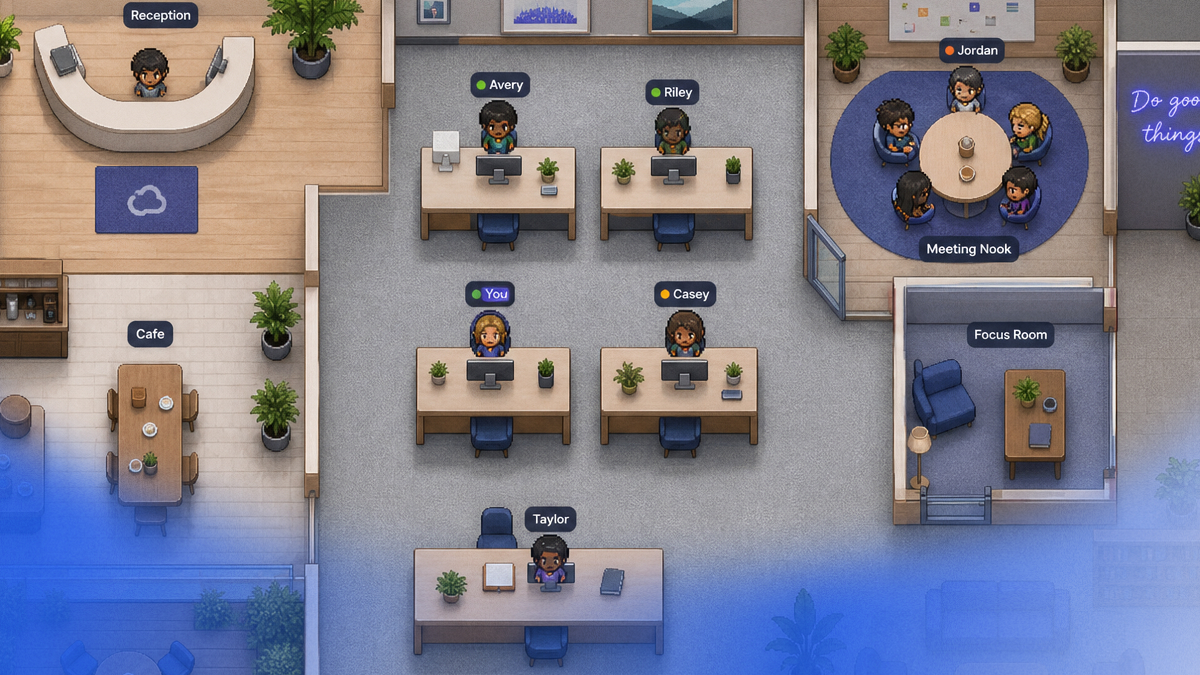
Modern remote work often lacks the spontaneous interactions that occur in physical offices. Hurbly.ai addresses this challenge by providing a virtual office platform that displays real-time presence. This technology allows team members to see who is focused, available, or currently in a meeting. By integrating such a platform, team building activities for small teams become more natural, as the barrier to starting a conversation is significantly lowered. Instead of scheduling formal calls, users can engage in quick, informal check-ins that mimic walking over to a colleague's desk.
Using a virtual office environment facilitates continuous team building activities for small teams by promoting transparency. When everyone can see the status of their peers, it fosters a sense of shared space and mutual accountability. This real-time visibility is crucial for small teams that rely on rapid coordination and frequent feedback loops. By reducing the friction of communication, teams can spend less time navigating schedules and more time focusing on collaborative goals and social bonding.
Structured Collaboration and Problem Solving
One of the most impactful team building activities for small teams involves collaborative problem-solving challenges. These exercises require members to pool their diverse skills to overcome a specific hurdle, such as a digital puzzle or a strategic simulation. Because the group is small, each person must take an active role, which helps identify natural leadership qualities and technical strengths within the team. This direct involvement ensures that the activity is not just a passive experience but a practical application of teamwork.
To maximize the benefits of team building activities for small teams, it is helpful to categorize them based on their primary objective. The following table illustrates different types of activities and their intended outcomes:
| Activity Type | Primary Goal | Implementation Method |
|---|---|---|
| Skill-Sharing Sessions | Cross-training | Short weekly presentations on a specific tool or technique. |
| Virtual Coffee Breaks | Social bonding | Unstructured time for non-work related conversation. |
| Cooperative Gaming | Strategy and trust | Engaging in online multiplayer challenges that require coordination. |
| Feedback Circles | Communication | Structured sessions for providing constructive peer reviews. |
Digital Interaction Strategies for 2026
In 2026, the landscape of remote work demands more sophisticated team building activities for small teams. Simple icebreakers are often insufficient for teams that have worked together for long periods. Instead, organizations are turning to immersive digital experiences that simulate real-world scenarios. These team building activities for small teams might include virtual escape rooms or collaborative design sprints that contribute to actual project milestones, making the effort feel both productive and engaging.
Consistency is the key to successful team building activities for small teams. Rather than hosting a single large event once a year, successful managers integrate small-scale interactions into the daily or weekly workflow. This approach ensures that the team's social fabric is constantly being reinforced. Using tools like Hurbly.ai helps maintain this rhythm by making spontaneous engagement a core part of the digital office experience, allowing for micro-moments of team building throughout the day.
Steps to Implement a Team Building Program
Starting a dedicated program for team building activities for small teams requires a logical progression to ensure long-term adoption. Managers should follow these steps to integrate these practices effectively:
- Assess Team Needs: Identify whether the team needs to improve communication, boost morale, or enhance technical collaboration.
- Select Appropriate Activities: Choose team building activities for small teams that align with the identified needs and the team's culture.
- Schedule Regular Intervals: Dedicate specific times for these activities to ensure they are not overlooked during busy periods.
- Utilize Presence Tools: Leverage platforms like Hurbly.ai to facilitate the spontaneous side of these interactions.
- Gather Feedback: After each session, ask participants what worked and what could be improved for future sessions.
By following this structure, team building activities for small teams become a sustainable part of the organizational culture. This systematic approach prevents "zoom fatigue" by ensuring that every session is purposeful and adds value to the team's daily life.
Benefits of Real-Time Visibility in Team Bonding
The psychological impact of seeing your colleagues in a shared digital space cannot be overstated. When team building activities for small teams are supported by real-time presence indicators, the sense of isolation vanishes. Members can see their teammates working alongside them, which creates a subconscious level of support. This environment makes it easier to initiate team building activities for small teams because the "social cost" of interrupting someone is reduced when their availability is clearly displayed.
Furthermore, Hurbly.ai enables a more fluid transition between deep work and social interaction. For instance, a team might transition from a period of focused "heads-down" work directly into one of their scheduled team building activities for small teams without the need for complex login procedures or link sharing. This seamless integration of work and team development is essential for maintaining momentum in fast-paced environments where every minute of collaboration counts.
Long-Term Impact on Retention and Productivity
Investing time in team building activities for small teams has a direct correlation with employee retention. Small teams often feel the impact of turnover more acutely than larger departments, making it vital to keep members engaged and connected. When individuals feel a strong personal bond with their coworkers, they are more likely to remain committed to the organization. These team building activities for small teams create the "social glue" that holds distributed groups together during challenging projects or high-pressure deadlines.
Ultimately, the goal of team building activities for small teams is to create a high-trust environment where information flows freely. By combining structured exercises with the real-time presence capabilities of Hurbly.ai, small teams can achieve a level of synergy that rivals any physical office. This hybrid approach to team development ensures that the workforce remains agile, informed, and socially connected, regardless of where each individual is located.