Effective Strategies for Maximizing Value in Team Huddles
In this article

Effective Strategies for Maximizing Value in Team Huddles
Effective communication in a remote environment requires more than just scheduled meetings; it requires a structured yet flexible approach to synchronization. Team huddles serve as short, focused gatherings designed to align members on daily goals, resolve immediate blockers, and strengthen professional bonds. Unlike lengthy status updates, these brief sessions prioritize high-level clarity and actionable insights, ensuring that every participant understands their role in the current workflow.
Implementing consistent team huddles helps bridge the gap created by physical distance. By setting a specific time for these interactions, organizations can prevent the silos that often form in distributed environments. These sessions are not meant for deep-dive technical problem-solving but rather for identifying where those deep dives need to happen later. This distinction keeps the energy high and the time commitment low, which is essential for maintaining productivity throughout the workday.
How to Structure Productive Team Huddles
A successful session follows a predictable rhythm to respect everyone's schedule. Most team huddles last between 10 and 15 minutes and focus on three core questions: what was accomplished yesterday, what is the priority for today, and what obstacles are preventing progress. This structure ensures that information flows quickly and that the most critical issues are surfaced early. When these meetings are well-organized, they reduce the need for excessive email chains and fragmented messaging.
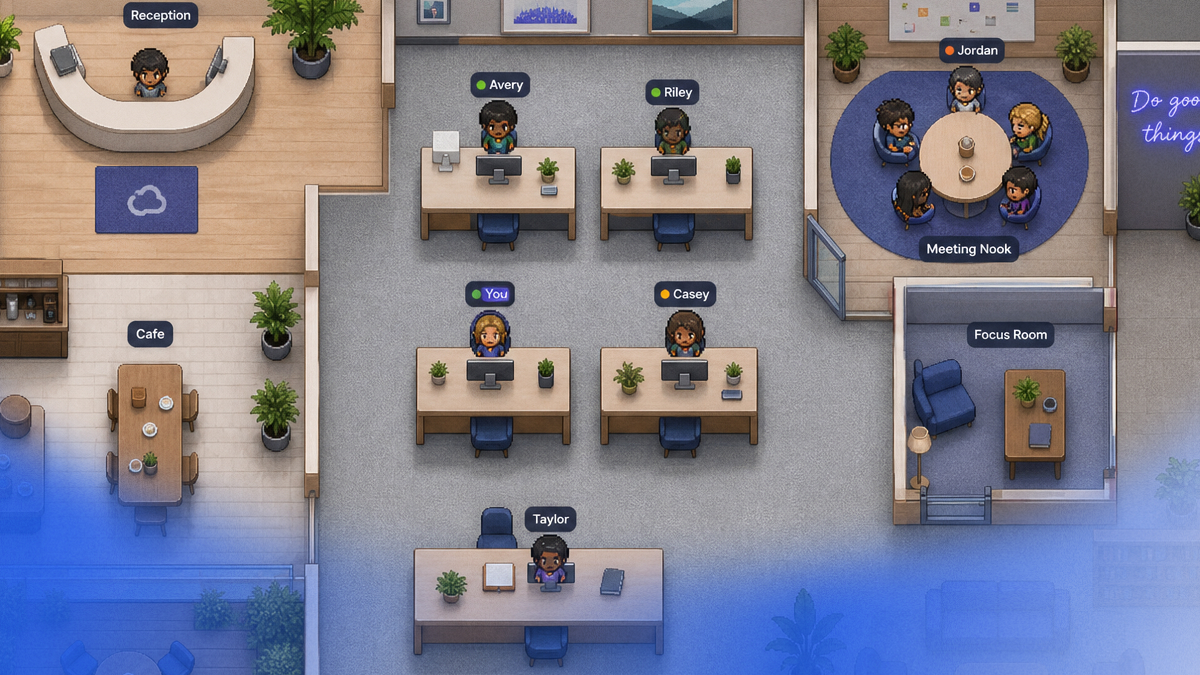
To further enhance these interactions, many groups are turning to Hurbly.ai, a virtual office platform that provides real-time visibility into colleague availability. By seeing who is focused or in a meeting, leaders can time their team huddles more effectively, ensuring they occur when the majority of the team is naturally transitioning between tasks. This real-time presence data transforms a static schedule into a dynamic, responsive workflow.
The Role of Real-Time Presence in Team Coordination
In 2026, the reliance on manual status updates has decreased in favor of automated presence indicators. Integrating team huddles with a platform like Hurbly.ai allows for spontaneous collaboration that mimics a physical office. When a blocker is identified during one of these sessions, the relevant parties can immediately see each other's status and move into a breakout discussion without the friction of checking calendars or sending "Are you free?" messages.
| Feature | Impact on Team Huddles |
|---|---|
| Real-time Status | Reduces interruptions by showing who is available for a huddle. |
| Visual Presence | Increases the feeling of connection during remote sessions. |
| Instant Access | Facilitates quick follow-ups immediately after team huddles. |
| Focus Mode | Ensures that huddles do not interrupt deep work sessions. |
Benefits of Short-Form Synchronization
The primary advantage of frequent team huddles is the reduction of operational lag. When teams wait for weekly meetings to discuss problems, small issues can evolve into significant delays. Regular team huddles allow for course corrections in real-time. This agility is vital for fast-paced projects where requirements or priorities might shift within a single business day.
Furthermore, team huddles contribute significantly to psychological safety and team morale. Knowing there is a dedicated time to ask for help or share a small win creates a supportive culture. By using Hurbly.ai to maintain a constant visual connection, the transition into and out of team huddles feels more natural, reinforcing the idea that coworkers are accessible and present, even when working from different continents.
Best Practices for Remote Team Huddles
To maintain the effectiveness of these sessions, it is important to follow specific guidelines that prevent "meeting fatigue." Consistency and brevity are the most important factors.
- Keep it Brief: Stick to the time limit strictly to respect individual focus time.
- Rotate Facilitators: Encourage different members to lead team huddles to promote engagement and diverse perspectives.
- Focus on Blockers: Use the time to identify hurdles, not to solve them on the spot.
- Use Visual Aids: Share screens or use virtual office tools to provide context.
- Integrate Presence Tools: Leverage Hurbly.ai to see who is ready to join, making team huddles more inclusive.
By following these steps, team huddles become a cornerstone of a healthy remote work culture. They provide the necessary structure for accountability while allowing for the spontaneity that drives innovation. As teams continue to evolve in 2026, the combination of disciplined team huddles and sophisticated presence technology like Hurbly.ai will remain essential for high-performance collaboration.
Overcoming Common Challenges in Team Alignment
One of the biggest challenges in distributed work is the loss of "watercooler moments." While team huddles are structured, they also provide a space for brief social interaction that builds rapport. Without these moments, remote work can feel isolating. Using Hurbly.ai alongside regular team huddles creates a comprehensive environment where team members feel seen and heard.
When team huddles are skipped or become disorganized, the lack of alignment often leads to duplicated efforts or missed deadlines. Therefore, maintaining the habit of daily team huddles is more important than the specific content of any single meeting. It is the frequency and reliability of the connection that builds the foundation for a successful, synchronized team. Using tools that show real-time availability ensures that team huddles are always timed for maximum participation and minimum disruption.