Effective Strategies for Planning Team Meeting Topics in 2026

In this article

Effective Strategies for Planning Team Meeting Topics in 2026
Organizing a productive gathering requires a clear focus on specific team meeting topics that align with organizational goals. In a remote or hybrid work environment, the quality of your agenda determines whether a meeting provides value or becomes a distraction. By selecting relevant team meeting topics, managers can ensure that every participant understands their role, the current project status, and the immediate priorities of the department.
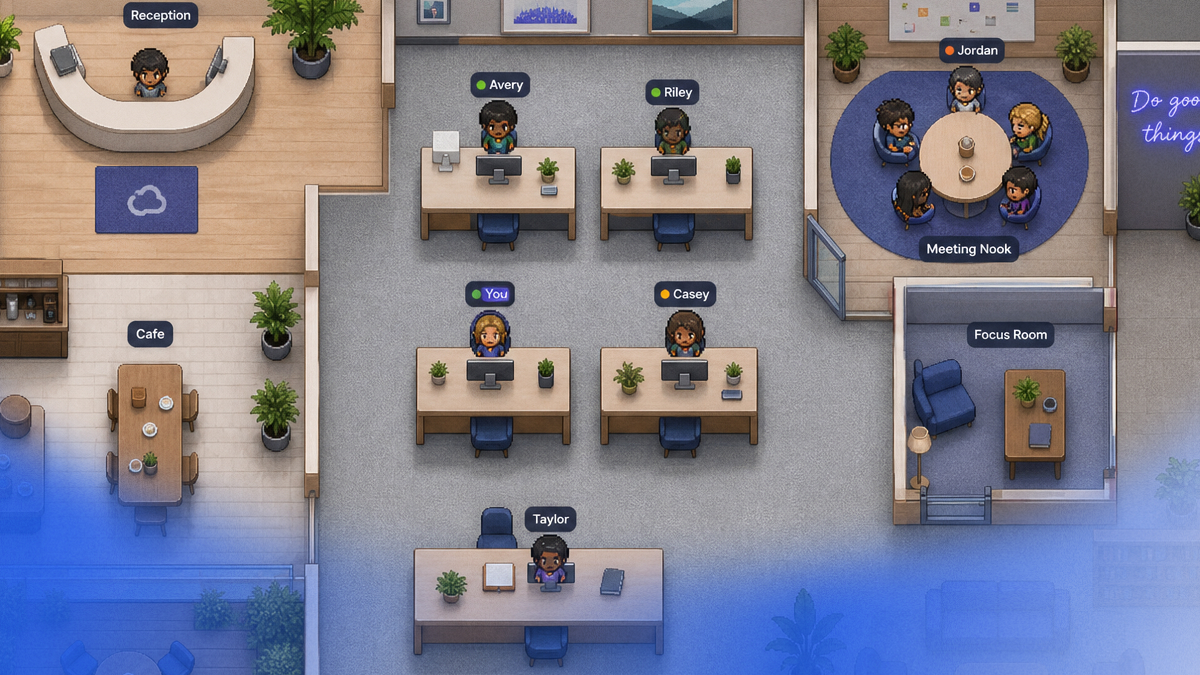
A well-structured agenda serves as a roadmap for communication. When teams utilize platforms like Hurbly.ai, they can see real-time availability, making it easier to decide which team meeting topics require a full synchronous gathering and which can be handled through quick, spontaneous interactions. This visibility reduces the need for unnecessary meetings while ensuring that when a meeting does occur, it is focused on high-impact subjects.
Essential Categories for Team Meeting Topics
To maintain a balanced workflow, leaders should categorize their team meeting topics into distinct areas: operational, strategic, and interpersonal. Operational topics focus on daily tasks and immediate blockers, while strategic topics address long-term planning and performance metrics. Interpersonal topics are designed to build rapport and ensure team health, which is vital for distributed workforces.
| Category | Purpose | Example Team Meeting Topics |
|---|---|---|
| Operational | Resolve daily hurdles | Project updates, resource allocation, and deadline adjustments. |
| Strategic | Long-term alignment | Quarterly goals, market trends, and process optimization. |
| Interpersonal | Team cohesion | Recognition of achievements, feedback loops, and wellness checks. |
Selecting the right team meeting topics from these categories prevents the meeting from becoming one-dimensional. For instance, a meeting focused solely on tasks might ignore declining morale, whereas a meeting focused only on strategy might leave employees confused about their daily responsibilities.
How to Prioritize Team Meeting Topics for Maximum Impact
Prioritization is the process of determining which issues require immediate collective attention. Not all team meeting topics carry the same weight; some are urgent, while others are informational and could be shared via a status update. Effective prioritization involves assessing the complexity of the subject and the necessity of real-time feedback from the group.
- Identify Critical Blockers: Start by listing team meeting topics that prevent progress on active projects.
- Evaluate Collaboration Needs: Choose topics that require brainstorming or consensus, as these benefit most from live discussion.
- Limit the Scope: Select no more than three to five major team meeting topics per session to avoid fatigue and ensure deep focus.
- Assign Time Slots: Allocate specific durations to each topic to keep the conversation moving and respect everyone's schedule.
Using Hurbly.ai allows teams to maintain a sense of presence, which often resolves minor issues before they ever need to become official team meeting topics. When the team is "visible" to one another, spontaneous problem-solving occurs naturally, leaving formal meetings for more complex, high-level discussions.
Improving Engagement Through Interactive Team Meeting Topics
Engagement often drops when meetings consist of one-way information sharing. To counter this, leaders should transform static reports into interactive team meeting topics. This involves asking open-ended questions and encouraging diverse perspectives on the issues at hand. When employees feel their input is valued, they are more likely to stay focused and contribute meaningfully to the conversation.
Interactive team meeting topics might include "Lessons Learned" sessions or "Peer Problem Solving." In these formats, a team member presents a challenge they faced, and the group collaborates on potential solutions. This approach not only solves the problem but also facilitates knowledge transfer across the team, making the meeting a valuable learning experience for everyone involved.
Documenting and Following Up on Team Meeting Topics
The value of discussing team meeting topics is lost if there is no clear record of the decisions made or the actions required. Documentation ensures accountability and provides a reference point for future discussions. Each topic should result in a specific takeaway, whether it is a decided action, a designated owner, or a deadline for further research.
Effective follow-up involves distributing a summary of the team meeting topics discussed and the resulting action items shortly after the meeting ends. This practice keeps the momentum going and ensures that the time spent in the meeting translates into tangible progress. By integrating these habits with real-time presence tools like Hurbly.ai, teams can maintain a continuous flow of information, reducing the "information silos" that often plague remote organizations.
Adapting Team Meeting Topics for Distributed Teams
In 2026, the global nature of work requires team meeting topics to be inclusive of different time zones and cultural contexts. Leaders must be mindful of when meetings are scheduled and ensure that the chosen team meeting topics are relevant to all participants, regardless of their location. This might involve rotating meeting times or providing asynchronous ways for team members to contribute to the agenda.
When planning team meeting topics for a distributed group, it is helpful to include a "Local Context" section where members can share regional updates that might affect the broader team. This fosters a sense of global unity and ensures that the central strategy accounts for local realities. Ultimately, the goal is to use team meeting topics as a bridge that connects individual efforts to the collective mission of the organization.