Comparing Virtual Office Solutions and Teamflow Alternatives for Remote Work in 2026

In this article

Comparing Virtual Office Solutions and Teamflow Alternatives for Remote Work in 2026
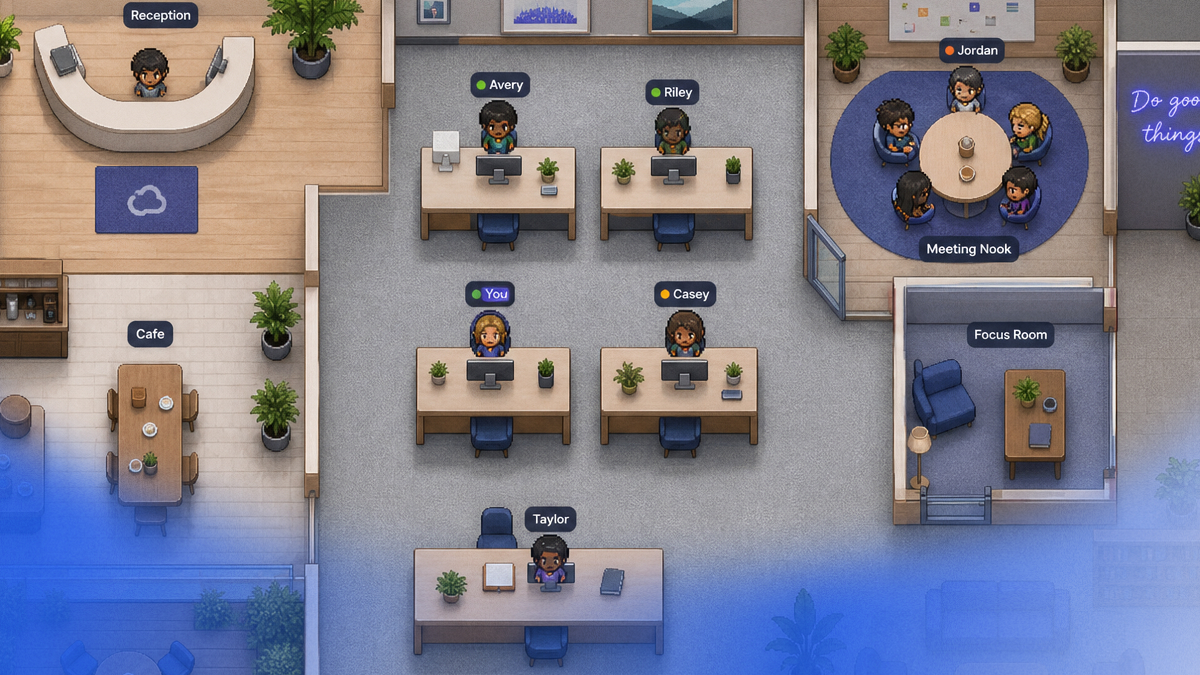
The landscape of remote collaboration has evolved significantly, moving beyond simple video conferencing toward integrated digital environments. Many organizations now seek Teamflow alternatives to recreate the spontaneous interaction of a physical office. These platforms focus on spatial presence, allowing team members to see who is at their desk, who is in a deep-focus mode, and who is available for a quick chat. By using real-time technology, these tools reduce the friction often found in remote communication, where every interaction usually requires a calendar invitation or a formal message.
Virtual offices function by providing a visual map or dashboard of a company's workforce. When evaluating various Teamflow alternatives, it is essential to look for features that support "osmotic communication"—the ability to pick up information by being near colleagues. In 2026, the priority for distributed teams is maintaining a high level of transparency without causing notification fatigue. Hurbly.ai serves as a primary example of this technology, offering a streamlined interface that shows team presence and availability instantly, helping coworkers connect without the overhead of scheduled calls.
Key Features to Look for in Teamflow Alternatives
When researching Teamflow alternatives, decision-makers should prioritize platforms that offer real-time status indicators. These indicators go beyond simple "online" or "offline" bubbles; they provide context, such as whether a person is currently sharing their screen, listening to music, or participating in a group huddle. This level of detail helps prevent unnecessary interruptions, ensuring that spontaneous conversations only happen when the recipient is truly available.
Effective Teamflow alternatives also focus on reducing "meeting tax." Instead of 30-minute blocks for simple questions, these platforms allow for "drop-ins." The technical infrastructure must support low-latency audio and video to make these transitions feel natural. Furthermore, the best Teamflow alternatives integrate with existing task management and calendar tools to synchronize availability automatically, ensuring the virtual office reflects the actual workload of every team member.
| Feature Category | Importance for Remote Teams | Role in Virtual Offices |
|---|---|---|
| Real-time Presence | High | Shows exactly who is available right now. |
| Spontaneous Audio | Medium | Enables quick voice chats without links. |
| Focus Modes | High | Protects deep work periods from interruptions. |
| Spatial Layout | Variable | Provides a visual sense of "being together." |
Why Distributed Teams Are Switching to Teamflow Alternatives
The shift toward Teamflow alternatives is driven by the need to combat social isolation in remote work. Traditional messaging apps often feel transactional, whereas virtual offices foster a sense of community. By seeing avatars or status cards of colleagues, employees feel more connected to the organization's pulse. This visibility is a core component of Hurbly.ai, which emphasizes a "presence-first" philosophy to make remote work feel less like a series of isolated tasks and more like a collective effort.
Another reason for the rise of Teamflow alternatives is the improvement in team coordination. In a standard remote setup, knowing if a manager is free might require sending a message and waiting for a reply. In a virtual office environment, a quick glance at the dashboard provides the answer. Many Teamflow alternatives now include advanced analytics that help leaders understand team engagement levels and identify potential burnout by monitoring long hours or lack of breaks, allowing for proactive management.
Technical Implementation of Teamflow Alternatives
Implementing Teamflow alternatives typically involves a few structured steps to ensure team-wide adoption:
- Integration Phase: Connect the platform to your primary authentication system (like SSO) and calendar.
- Status Mapping: Define what different status indicators mean for your specific culture (e.g., "In the Zone" means no interruptions).
- Onboarding: Introduce the team to the concept of "knocking" or "dropping in" to replace short, formal meetings.
- Feedback Loop: Regularly assess if the tool is reducing the number of scheduled meetings and improving communication speed.
The most successful Teamflow alternatives are those that disappear into the background of the workflow. They shouldn't require constant manual updates. Instead, they should use smart triggers to update status based on user activity. As teams grow, the scalability of these Teamflow alternatives becomes vital, ensuring that a 100-person company is as easy to navigate as a 10-person startup.
Enhancing Spontaneous Collaboration with Teamflow Alternatives
Spontaneity is often the first casualty of remote work. Teamflow alternatives aim to solve this by creating digital "watercooler" moments. When two people see each other "standing" in a virtual common area, it triggers the same social cues as a hallway encounter in a physical building. This leads to the cross-pollination of ideas that rarely happens in structured Zoom calls. Hurbly.ai facilitates this by making the transition from "seeing" a colleague to "talking" to them nearly instantaneous.
Furthermore, Teamflow alternatives provide a structured way to handle "open door" policies. A leader can sit in a virtual "open office" area, signaling to the entire team that they are available for questions or feedback. This transparency builds trust and reduces the hierarchy barriers often exacerbated by remote work. By choosing the right Teamflow alternatives, companies can maintain their unique culture and ensure that information flows freely across all levels of the organization.
Evaluating the Impact of Teamflow Alternatives on Productivity
To measure the success of adopting Teamflow alternatives, organizations should look at the reduction in internal email volume and the decrease in the total number of scheduled meetings. If the team is communicating more frequently but in shorter bursts, the platform is working as intended. Most Teamflow alternatives are designed to support the "flow state," meaning they help protect long stretches of uninterrupted work while still allowing for necessary coordination.
Finally, when comparing Teamflow alternatives, consider the privacy controls available to users. A high-quality virtual office platform must balance visibility with individual privacy, allowing users to "go invisible" or lock their virtual rooms when privacy is required. As the demand for flexible work continues through 2026, Hurbly.ai and other Teamflow alternatives remain essential tools for any company looking to optimize its remote operations and keep its workforce engaged and synchronized.