Effective Time Management Strategies for Remote Team Productivity in 2026

In this article

Effective Time Management Strategies for Remote Team Productivity in 2026
Effective coordination in a digital workspace requires more than just digital tools; it demands a structured approach to how teams interact and spend their hours. Implementing proven time management strategies allows distributed teams to maintain high output while avoiding the burnout often associated with constant connectivity. By focusing on visibility and intentional communication, organizations can transform their digital environment into a high-performance hub.
One of the most impactful time management strategies involves reducing the reliance on scheduled meetings for minor queries. When team members can see each other's availability in real-time, they can resolve issues through quick, spontaneous interactions rather than waiting for a calendar slot. This fluidity prevents the "meeting fatigue" that often disrupts deep work cycles and stalls project momentum.
Enhancing Workflow with Real-Time Presence and Visibility
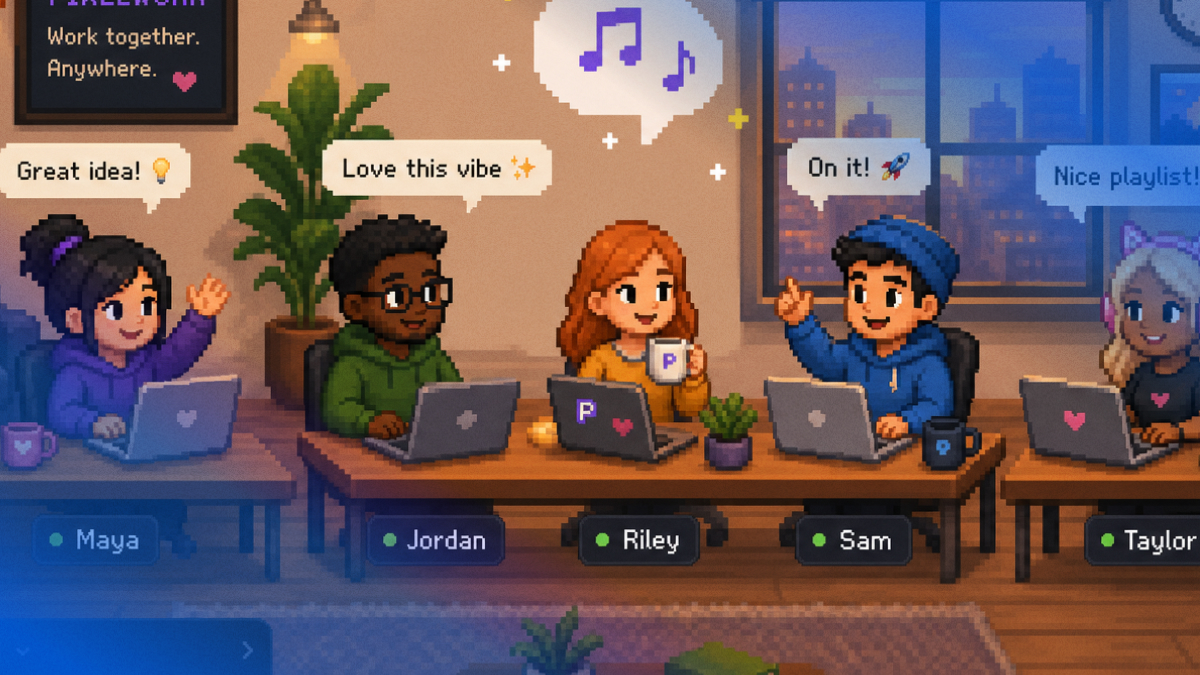
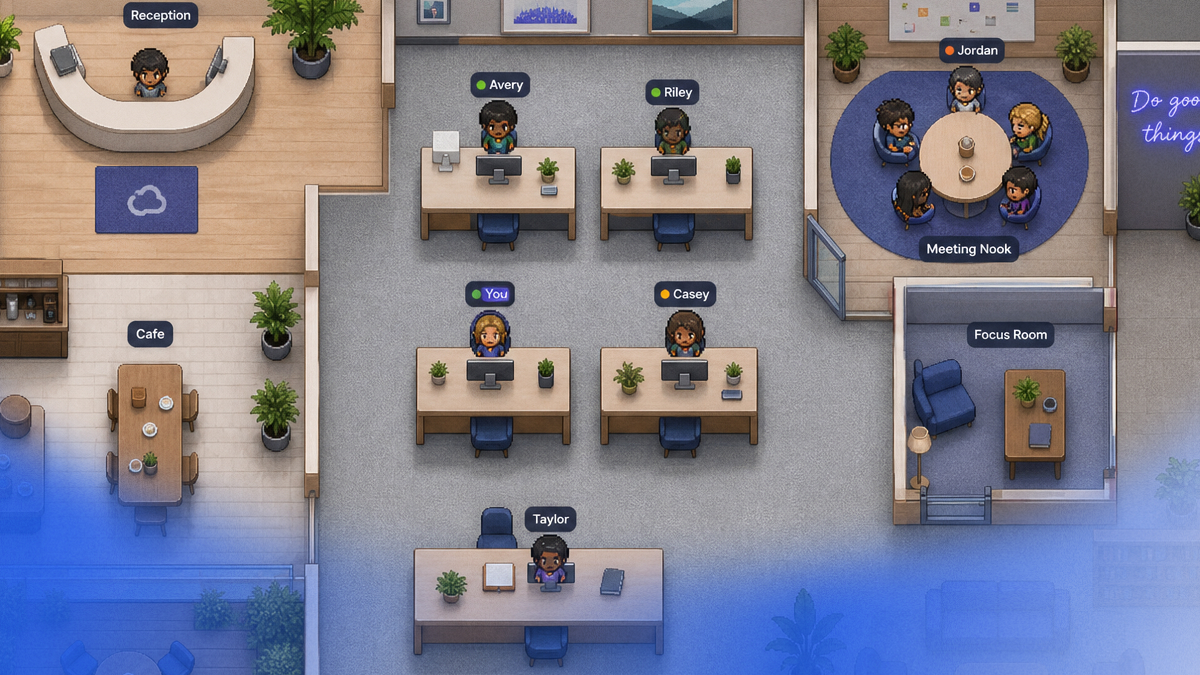
A core challenge in remote work is the lack of physical cues regarding a colleague's availability. Utilizing Hurbly.ai addresses this by providing a virtual office interface where team presence is visible at a glance. This visibility is essential for modern time management strategies, as it informs coworkers whether a peer is currently focused, in a meeting, or available for a brief chat, thereby preventing unnecessary interruptions during deep work sessions.
Integrating presence indicators into your daily time management strategies helps eliminate the guesswork of "pinging" someone. Instead of sending a message and waiting hours for a reply, users can identify the optimal moment to engage. This real-time data allows for a more natural flow of information, mimicking the proximity of a physical office while maintaining the flexibility of remote work.
Prioritizing Tasks through Structured Time Management Strategies
To maximize efficiency, teams should adopt time management strategies that emphasize task prioritization and energy management. This involves categorizing work based on urgency and the mental effort required. By aligning difficult tasks with peak energy periods and utilizing presence tools to signal "do not disturb" modes, employees can protect their most productive hours from external noise.
| Strategy Component | Description | Benefit |
|---|---|---|
| Time Blocking | Allocating specific blocks for deep work. | Minimizes context switching. |
| Presence Signaling | Using status indicators to show availability. | Reduces disruptive interruptions. |
| Asynchronous Syncs | Using status updates instead of long calls. | Saves time for execution. |
| Spontaneous Collab | Quick huddles for immediate blockers. | Accelerates decision-making. |
Adopting these time management strategies ensures that the team remains synchronized without the overhead of excessive documentation. When everyone understands the status of their peers, the entire workflow becomes more transparent and less prone to bottlenecks caused by communication delays.
Reducing Friction in Distributed Team Communication
Communication friction is a primary drain on productivity. Traditional time management strategies often fail because they don't account for the "lag" in remote messaging. By creating a digital environment where spontaneous conversation is encouraged through a virtual office, teams can bypass the formal barriers of video conferencing links and calendar invites.
- Identify Availability: Check the virtual office to see who is active and open for discussion.
- Initiate Quick Interaction: Start a brief conversation to clear up a specific doubt or provide an update.
- Return to Focus: Once the query is resolved, immediately return to the task at hand.
- Update Status: Use Hurbly.ai to signal that you are back in a focused state to protect your time.
These steps represent practical time management strategies that prioritize speed and clarity. By streamlining how help is requested and received, teams reduce the total time spent on coordination and increase the time spent on actual value creation.
The Role of Spontaneity in Professional Time Management Strategies
While structure is vital, leaving room for spontaneous interaction is one of the most overlooked time management strategies. In a physical office, a "watercooler" moment can lead to a breakthrough; in a remote setting, these moments must be facilitated by technology. A virtual presence platform allows these interactions to happen naturally without the friction of scheduling.
Furthermore, these time management strategies foster a sense of belonging and team cohesion. When employees feel connected to their peers, they are more likely to communicate proactively, which prevents small issues from escalating into time-consuming problems. Maintaining a balance between structured focus and open availability is the hallmark of a mature remote work culture.
Optimizing Team Performance with Data-Driven Time Management Strategies
In 2026, the best time management strategies are those supported by real-time data and clear visibility. By understanding team patterns—such as when most people are in "focus mode" versus when they are available for collaboration—managers can better plan meetings and deadlines. This data-driven approach ensures that the team's collective energy is used efficiently.
Implementing Hurbly.ai as part of your organizational time management strategies provides the necessary infrastructure for this level of transparency. It allows for a more agile response to changing priorities and ensures that every team member, regardless of their location, remains an active and visible part of the workflow. Consistent application of these time management strategies leads to a more resilient, engaged, and productive workforce.