Improving Team Productivity with Modern Time Tracking Tools and Presence Platforms

In this article

Improving Team Productivity with Modern Time Tracking Tools and Presence Platforms
Effective team management in 2026 requires a clear understanding of how hours are spent and how colleagues interact. Modern time tracking tools serve as the foundation for this clarity, allowing managers to see exactly where resources are allocated. These digital solutions record the duration of specific tasks, providing data that helps teams identify bottlenecks and optimize their daily workflows. By integrating time tracking tools into a daily routine, organizations can move away from guesswork and toward data-driven decision-making regarding project timelines and labor costs.
Beyond simple recording, time tracking tools help individual contributors maintain focus. When a user starts a timer, it creates a psychological commitment to the task at hand, reducing the likelihood of multitasking or distractions. This structured approach to work is essential for remote environments where the boundaries between professional and personal time often blur. Utilizing high-quality time tracking tools ensures that every hour billed or worked is accounted for, providing transparency for both the employer and the employee.
Enhancing Remote Collaboration Through Real-Time Visibility
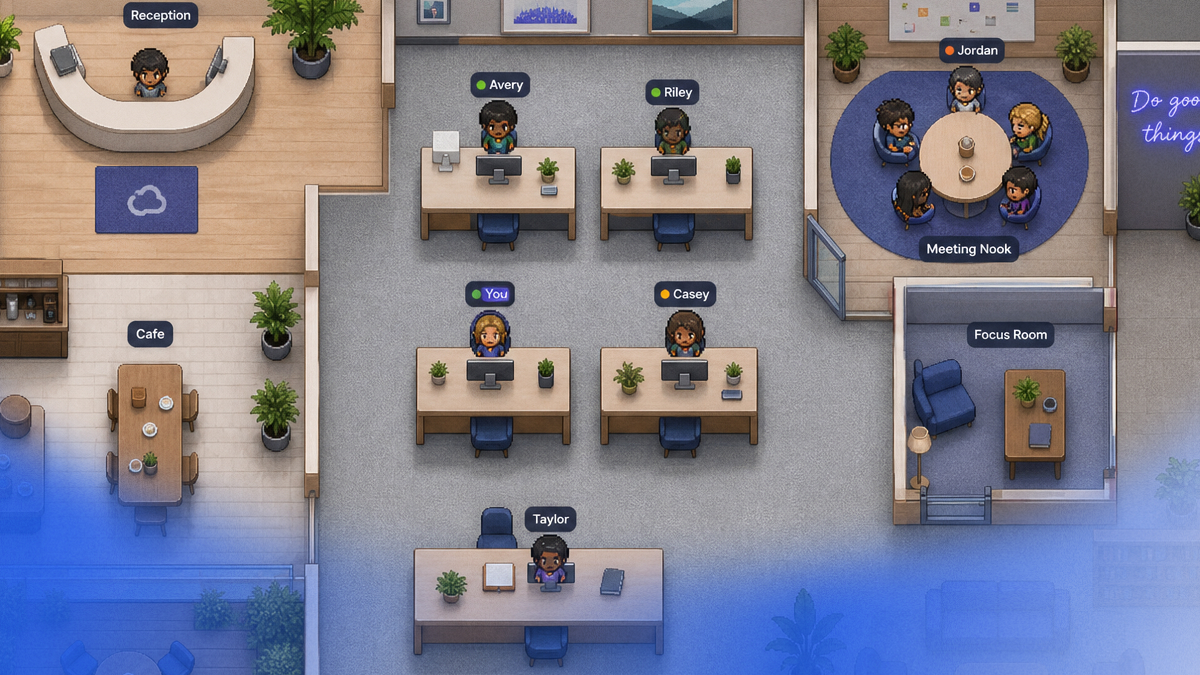
While time tracking tools monitor the quantity of work, platforms like Hurbly.ai focus on the quality and spontaneity of team interactions. In a physical office, you can glance across the room to see if a colleague is busy or available for a quick question. Digital office platforms replicate this experience by providing real-time presence indicators. This visibility reduces the need for constant "Are you there?" messages, as the software displays whether a teammate is focused, in a meeting, or open for a brief conversation.
Integrating these presence features alongside your time tracking tools creates a comprehensive overview of team dynamics. While the tracking software tells you how long a project took, the presence platform tells you how the team collaborated to get it done. This combination is particularly useful for distributed teams that struggle with the isolation of remote work. By seeing coworkers' statuses, employees feel more connected to their peers, fostering a digital environment that mimics the fluid communication of a traditional workspace.
Key Features to Look for in Time Tracking Tools
When selecting the right software for your organization, it is important to evaluate specific functionalities that go beyond a simple start-stop button. The most effective time tracking tools offer automated reporting, which generates visual charts of team performance over weeks or months. These reports are vital for identifying which types of projects consistently exceed their estimated hours. Furthermore, advanced time tracking tools often include categorization features, allowing users to tag time entries by client, project, or specific task type for more granular analysis.
To maximize efficiency, consider the following capabilities in your software:
- Cross-platform synchronization: Ensures time is tracked accurately across desktops, browsers, and mobile devices.
- Integration with project management software: Links tracked hours directly to specific tasks or tickets.
- Idle time detection: Notifies users if a timer is running while the computer is inactive, improving data accuracy.
- Budget alerts: Notifies managers when a project is approaching its allocated hour limit.
Reliable time tracking tools should also prioritize user privacy and ease of use. If a tool is too complex, employees may forget to use it, leading to incomplete data. Simple interfaces encourage consistent usage, which is necessary for the long-term success of any monitoring strategy.
Comparing Traditional Monitoring and Modern Presence Platforms
There is a significant difference between invasive monitoring and the supportive environment provided by Hurbly.ai. Traditional time tracking tools focus on the "what" and "how long," providing a historical record of activity. In contrast, presence platforms focus on the "now," enabling spontaneous interactions without the friction of scheduling a formal video call. This real-time visibility prevents the "meeting fatigue" often associated with remote work, as quick queries can be resolved in seconds rather than thirty-minute blocks.
| Feature | Traditional Time Tracking Tools | Hurbly.ai Presence Platform |
|---|---|---|
| Primary Goal | Productivity analysis and billing | Real-time team connection and flow |
| Data Type | Historical logs and durations | Current availability and status |
| Communication | Indirect (via reports) | Direct (instant conversations) |
| Best For | Project management and payroll | Reducing friction in collaboration |
Using these two types of software together allows for a balanced management approach. Managers can use time tracking tools to ensure projects stay on budget while using presence indicators to maintain team morale and accessibility. This dual strategy addresses both the operational and social needs of a modern workforce.
Why Distributed Teams Require Specialized Time Tracking Tools
Remote work introduces unique challenges, such as overlapping time zones and varying work schedules. Distributed teams rely on time tracking tools to synchronize their efforts and ensure that workloads are distributed fairly among members. Without these records, it is difficult to see if certain employees are being overworked while others have additional capacity. By analyzing the data from time tracking tools, leaders can make adjustments to project assignments in real-time to prevent burnout.
Furthermore, Hurbly.ai complements this by showing who is currently online, regardless of their geographic location. When a team member in London sees that a colleague in New York has just started their day via the presence dashboard, they can immediately coordinate on urgent tasks. This synergy between time tracking tools and presence awareness eliminates the delays often caused by email threads or delayed chat responses.
Implementing Time Tracking Tools for Long-Term Success
To successfully introduce time tracking tools into a company culture, transparency is essential. Employees should understand that the goal is not micromanagement, but rather the optimization of resources and the improvement of project estimates. When workers see that time tracking tools help justify the need for more staff or better equipment by highlighting bottlenecks, they are more likely to embrace the technology.
- Define clear objectives for why the tracking is necessary.
- Select a tool that balances powerful features with a simple user interface.
- Train the team on how to categorize their tasks correctly.
- Review the data regularly to make meaningful changes to the workflow.
- Combine the data with a presence platform to maintain a healthy team culture.
By following these steps, organizations can ensure that their time tracking tools provide maximum value. In the fast-paced business world of 2026, the ability to accurately measure time and maintain a constant team presence is a significant competitive advantage. Using Hurbly.ai alongside your preferred tracking methods ensures your team remains both productive and closely connected.