Essential Guide to Different Types of Meetings for Remote Teams in 2026

In this article

Essential Guide to Different Types of Meetings for Remote Teams in 2026
Effective organizational communication relies on choosing the right format for interaction. In a digital workspace, understanding the specific types of meetings available helps teams maintain productivity and avoid "meeting fatigue." By categorizing these interactions, managers can decide whether a synchronous video call is necessary or if a quick status update will suffice. Selecting appropriate types of meetings ensures that information flows efficiently without disrupting deep work cycles.
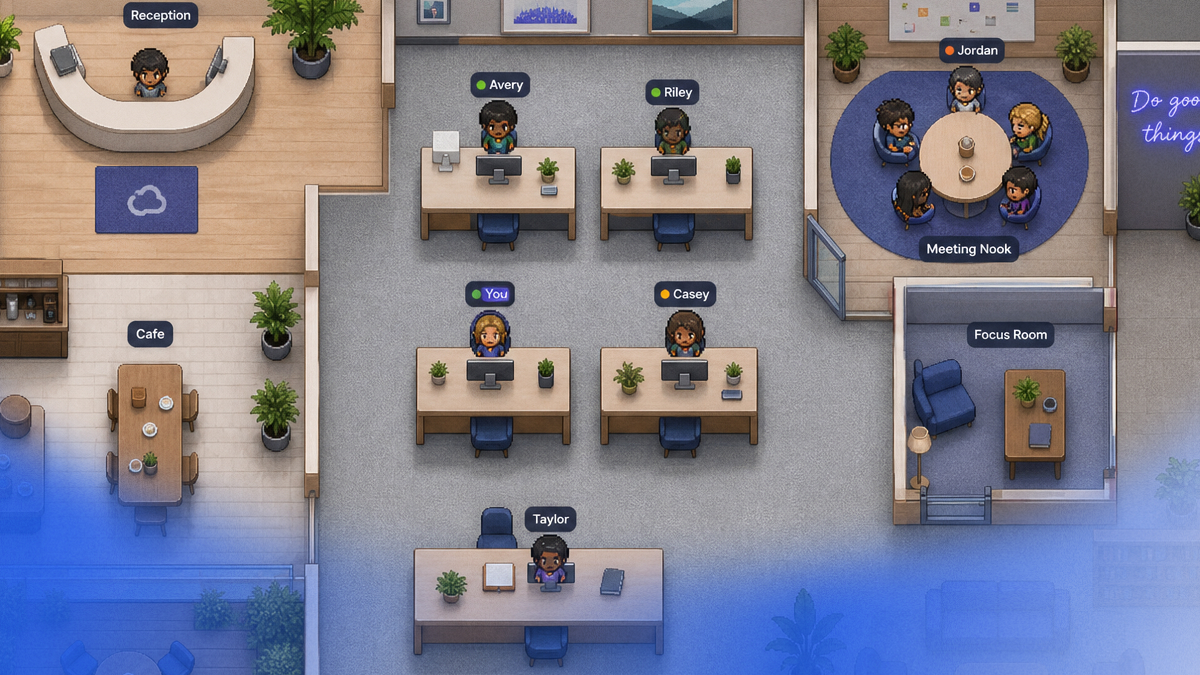
Modern collaboration platforms, such as Hurbly.ai, facilitate these interactions by providing real-time visibility into team availability. When you can see who is focused or available, you can choose between formal and informal types of meetings more effectively. This transparency allows for spontaneous collaboration, reducing the need for cluttered calendars and over-scheduled sessions.
Categorizing Common Types of Meetings by Objective
To optimize a team's schedule, it is vital to distinguish between various types of meetings based on their primary goals. Information-sharing sessions, for instance, are designed to align the team on specific goals or updates. These types of meetings are usually structured with a clear agenda and involve one-way or two-way communication to ensure everyone is on the same page regarding project milestones.
Decision-making sessions represent another critical category among the types of meetings used in professional environments. In these gatherings, participants analyze data, discuss options, and reach a consensus or a final directive. Unlike brainstorming sessions, these types of meetings are highly focused on outcomes and require the presence of key stakeholders who have the authority to approve next steps.
Strategic Planning and Innovation Meetings
When teams need to generate new ideas, they utilize creative types of meetings often referred to as brainstorming sessions. These interactions prioritize open dialogue and the free exchange of concepts without immediate criticism. By separating ideation from evaluation, these types of meetings foster an environment where unconventional solutions can emerge, which is essential for long-term growth and innovation.
Strategic types of meetings are higher-level interactions that focus on the "big picture" rather than daily tasks. These sessions often involve reviewing market trends, setting annual objectives, and aligning the company’s mission with current operations. Because these types of meetings require significant mental energy and preparation, they are typically scheduled less frequently but for longer durations than tactical check-ins.
Operational and Recurring Team Interactions
Daily stand-ups are perhaps the most frequent types of meetings in agile environments. These are brief, time-boxed sessions where team members share what they accomplished yesterday, what they plan to do today, and any obstacles they are facing. Keeping these types of meetings short (usually under 15 minutes) prevents them from becoming a burden while maintaining high levels of team synchronization.
Retrospective types of meetings occur at the end of a project or sprint. The goal is to analyze what went well and what could be improved in the future. By documenting lessons learned during these types of meetings, teams can refine their processes and avoid repeating past mistakes. This continuous improvement cycle is a hallmark of high-performing remote organizations.
Comparing Meeting Formats and Their Applications
The following table summarizes how different types of meetings serve various organizational needs:
| Meeting Type | Primary Goal | Typical Duration | Frequency |
|---|---|---|---|
| Status Update | Alignment & Reporting | 15 - 30 mins | Weekly |
| Brainstorming | Idea Generation | 45 - 90 mins | As Needed |
| Decision Making | Reaching Consensus | 30 - 60 mins | Per Project Phase |
| Retrospective | Process Improvement | 60 mins | End of Cycle |
| One-on-One | Mentorship & Feedback | 30 - 45 mins | Bi-weekly/Monthly |
Understanding these types of meetings allows leaders to select the most efficient tool for the task at hand. For instance, instead of scheduling a formal session, a manager might use Hurbly.ai to see if a colleague is available for a quick, informal chat, which often replaces the need for more rigid types of meetings.
Best Practices for Managing Digital Meetings
To ensure that all types of meetings remain productive, teams should follow a set of standard operating procedures. First, every meeting must have a predefined agenda sent in advance. This allows participants to prepare and ensures the conversation stays on track. Second, documenting the "action items" or "next steps" is crucial for all types of meetings to ensure that discussions translate into tangible results.
In 2026, the integration of presence-aware technology like Hurbly.ai has transformed how we approach various types of meetings. By seeing real-time status indicators, teams can reduce the friction of coordination. This visibility helps in choosing between synchronous video calls and asynchronous updates, ensuring that the chosen types of meetings always add value to the workflow rather than detracting from it.