Understanding the Role of Unified Communications in Modern Virtual Offices

In this article

Understanding the Role of Unified Communications in Modern Virtual Offices
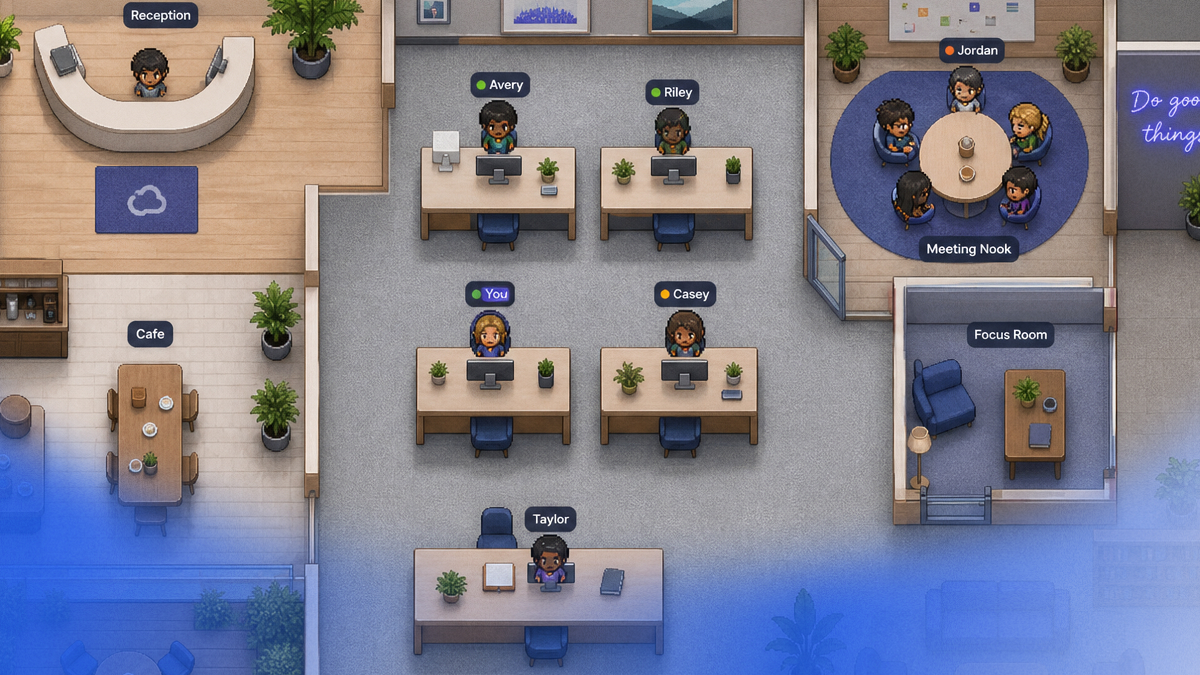
In 2026, the digital landscape has shifted toward environments that prioritize immediate connection and transparency. A virtual office functions as a digital workspace where teams interact in real time, mimicking the physical presence of a traditional office. By integrating Unified Communications, these platforms allow distributed teams to see who is available, who is deeply focused, and who is currently in a meeting. This visibility reduces the friction typically found in remote work, where employees often hesitate to reach out due to uncertainty about a colleague's availability.
The core objective of this technology is to facilitate spontaneous interactions. Instead of relying on back-and-forth messaging to schedule a brief chat, users can see a coworker’s status and initiate a conversation instantly. This approach to Unified Communications ensures that information flows freely across time zones. For remote and distributed teams, having a central hub for presence and interaction is essential for maintaining a cohesive company culture and preventing the isolation often associated with working from home.
How Unified Communications Enhances Team Presence
Team presence technology works by providing real-time indicators of user activity. When a platform incorporates Unified Communications, it synchronizes various channels—such as voice, video, and text—into a single interface. This allows a user to identify the best moment to engage with a peer. For example, if a teammate is marked as "In a Meeting," the system prevents unnecessary interruptions, whereas an "Available" status encourages quick, informal huddles that replace lengthy email chains.
The relevance of this system lies in its ability to replicate the "watercooler" effect. In a physical office, you can see if someone is at their desk or busy talking to a client. Hurbly.ai provides this same level of visual context digitally. By utilizing Unified Communications, the platform ensures that these presence indicators are accurate and actionable, allowing freelancers and large organizations alike to manage their workflows without the cognitive load of constant scheduling.
Key Features of Integrated Communication Frameworks
Effective Unified Communications frameworks are built on several technical pillars that ensure reliability and ease of use. These features are designed to make the digital office feel like a living environment rather than just a collection of static tools.
- Real-Time Presence Indicators: Visual cues that show whether a team member is active, away, or in a "do not disturb" mode.
- Instant Audio/Video Huddles: The ability to jump into a live conversation with one click, bypassing the need for calendar invites.
- Contextual Status Updates: Users can provide specific details about their current task, helping others understand when it is appropriate to interrupt.
- Cross-Platform Accessibility: Ensuring that Unified Communications remain consistent whether the user is on a desktop or a mobile device.
By centralizing these functions, teams can reduce "toggle tax"—the time lost switching between different apps. When Unified Communications are handled within a single virtual office space, the workflow becomes more linear and less fragmented.
Benefits of Adopting Unified Communications in 2026
| Benefit | Description | Impact on Team |
|---|---|---|
| Reduced Latency | Minimizes the time spent waiting for replies or scheduling meetings. | Faster decision-making. |
| Increased Transparency | Everyone knows what the team is doing without micromanagement. | Higher trust and autonomy. |
| Improved Collaboration | Facilitates spontaneous brainstorming and quick problem-solving. | Enhanced creative output. |
| Streamlined Tools | Combines presence, voice, and video into one Unified Communications layer. | Lower software costs and complexity. |
Implementing a strategy centered on Unified Communications allows organizations to scale their remote operations while keeping the human element intact. It bridges the gap between different locations, ensuring that a developer in London and a designer in New York feel as though they are sitting in the same room.
Why Real-Time Visibility Matters for Distributed Teams
Distributed teams often struggle with "presence disparity," where some members feel more connected than others based on their proximity to leadership or their time zone. A robust Unified Communications strategy levels the playing field by providing equal visibility to all members. When everyone uses the same virtual office platform, such as Hurbly.ai, the barriers to entry for conversation are lowered for everyone, regardless of their physical location.
Furthermore, Unified Communications help in managing the "focus time" of employees. By signaling a "Deep Work" state, a user can effectively mute notifications across the entire communication stack. This balance between availability and privacy is crucial for maintaining high productivity levels in a digital-first world.
Future Trends in Unified Communications and Virtual Work
As we move further into 2026, the integration of AI and real-time data will continue to refine how Unified Communications operate. We are seeing a move toward more predictive presence, where the system can suggest the best time to talk to a colleague based on their historical habits and current workload. This evolution makes Unified Communications not just a tool for talking, but a tool for optimizing the entire workday.
Organizations that prioritize these technologies will find it easier to attract and retain talent. Professionals today seek environments that offer flexibility without sacrificing the social and collaborative benefits of a shared workspace. By leveraging Hurbly.ai and a comprehensive Unified Communications setup, companies can provide a modern, efficient, and deeply connected work experience that meets the demands of the contemporary workforce. This shift toward integrated, real-time communication is no longer an option but a necessity for competitive businesses.