Essential Guide to Modern Video Conferencing and Remote Presence

In this article

Essential Guide to Modern Video Conferencing and Remote Presence
Effective communication in 2026 relies heavily on how teams manage their digital interactions. While traditional video conferencing allows for scheduled meetings, the modern workplace requires a more fluid approach to connectivity. Understanding the mechanics of digital presence helps teams transition from rigid schedules to spontaneous collaboration. By integrating real-time visibility with standard video conferencing tools, organizations can reduce the "meeting fatigue" often associated with remote work.
The primary goal of any video conferencing setup is to bridge the physical gap between participants. However, the technical execution involves high-speed data transmission, encryption, and synchronized audio-visual feeds. When these elements work together, users experience a seamless environment where information flows as naturally as it would in a physical office. Tools like Hurbly.ai complement these systems by providing the necessary context of who is available before a call even begins.
How Video Conferencing Technology Facilitates Real-Time Collaboration
At its core, video conferencing functions through a process of encoding and decoding data. Your device captures audio and video signals, compresses them into digital packets, and transmits them across the internet to other participants. This infrastructure supports various business needs, from large-scale webinars to intimate one-on-one sessions. Because the technology has matured, current video conferencing standards ensure high-definition quality even on mobile devices or low-bandwidth connections.
To maximize the utility of these digital meetings, teams should consider the following components:
- Real-time synchronization: Minimizing latency to prevent participants from talking over one another.
- Screen sharing capabilities: Allowing users to present documents or software interfaces during a video conferencing session.
- End-to-end encryption: Ensuring that sensitive business discussions remain private and secure from external threats.
- Recording and transcription: Providing a searchable record of what was discussed for those who could not attend.
Enhancing Team Presence Beyond Scheduled Video Conferencing
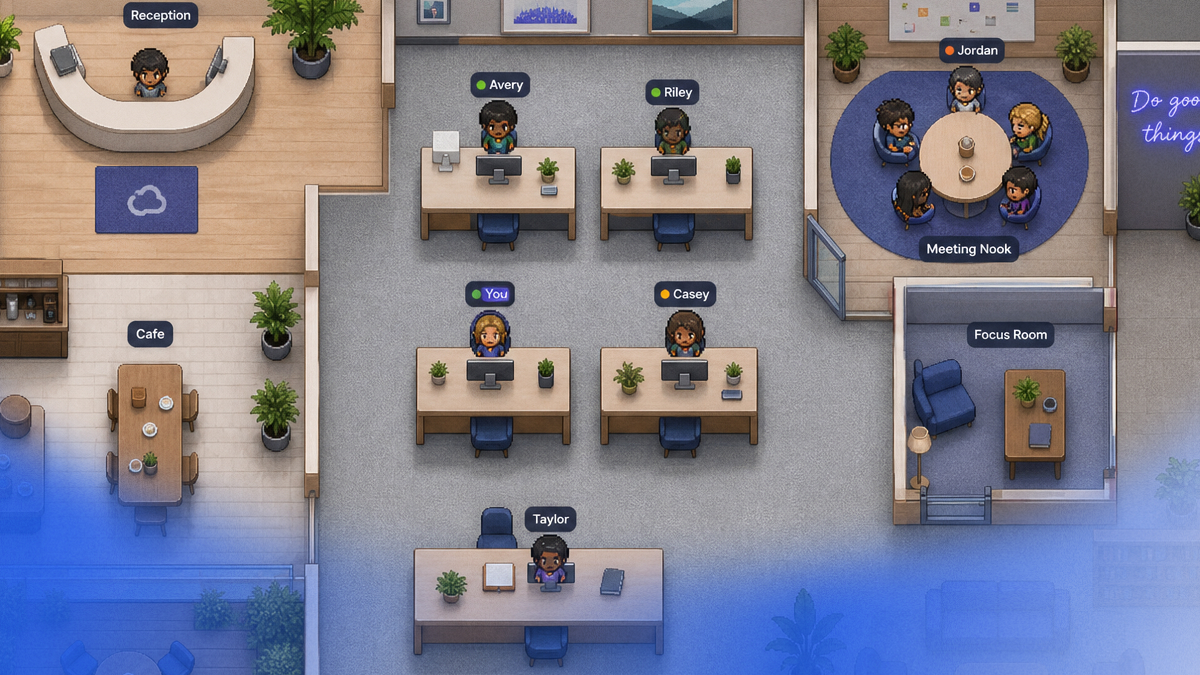
While video conferencing is excellent for structured agendas, it often lacks the spontaneity of a physical workspace. In a traditional office, you can see if a colleague is at their desk or busy talking to someone else. Digital presence platforms solve this by offering a visual map of the team. Instead of guessing if someone is free, you can check their status and decide whether to start a quick chat or initiate a full video conferencing session.
This layer of "presence" transforms the remote experience. By using Hurbly.ai, teams gain visibility into the daily workflow without the intrusiveness of constant pings. When you see a teammate is in a "focused" mode, you know to delay your video conferencing request. Conversely, if they appear available, a quick interaction can resolve issues faster than an email chain, making the eventual formal video conferencing meetings more productive and less frequent.
Best Practices for Productive Digital Meetings
To ensure that every video conferencing event is effective, teams must adopt specific protocols. Clear communication starts with the right environment and the right etiquette. Even the most advanced video conferencing software cannot compensate for a lack of organization or poor lighting. By following a structured approach, participants can stay engaged and focused on the objectives at hand.
- Define the Purpose: Never start a video conferencing session without a clear agenda or specific question to answer.
- Check Availability: Use presence indicators to ensure participants are actually ready to engage before calling.
- Test Equipment: Verify that microphones and cameras are functioning correctly prior to the start time.
- Minimize Distractions: Encourage participants to mute themselves when not speaking to reduce background noise during the video conferencing call.
- Follow Up: Send a brief summary of action items immediately after the meeting concludes.
Comparing Synchronous and Asynchronous Communication
Understanding when to use video conferencing versus asynchronous methods like messaging is vital for workflow efficiency. Synchronous communication happens in real-time and is best for brainstorming or resolving complex conflicts. Asynchronous communication allows people to respond at their own pace, which is ideal for status updates. Balancing these two methods prevents the calendar from being overwhelmed by unnecessary video conferencing appointments.
| Communication Type | Best Use Case | Primary Benefit |
|---|---|---|
| Video Conferencing | Complex problem solving, interviews, and team building. | Immediate feedback and emotional connection. |
| Instant Messaging | Quick questions and social check-ins. | Low friction and fast response times. |
| Presence Platforms | Monitoring team availability and focus states. | Reduces "interruption culture" and improves timing. |
| Email/Docs | Formal reports and long-term project tracking. | Permanent record and deep-dive information. |
By utilizing Hurbly.ai, managers can see the balance of these interactions in real-time. If a team is constantly in video conferencing mode, it might indicate a lack of clear documentation or excessive micromanagement. High-performing teams use video conferencing as a surgical tool—precise, timely, and only when necessary—while relying on presence awareness to maintain the social fabric of the company.