Enhancing Remote Collaboration with Video Conferencing for Small Businesses

In this article

Enhancing Remote Collaboration with Video Conferencing for Small Businesses
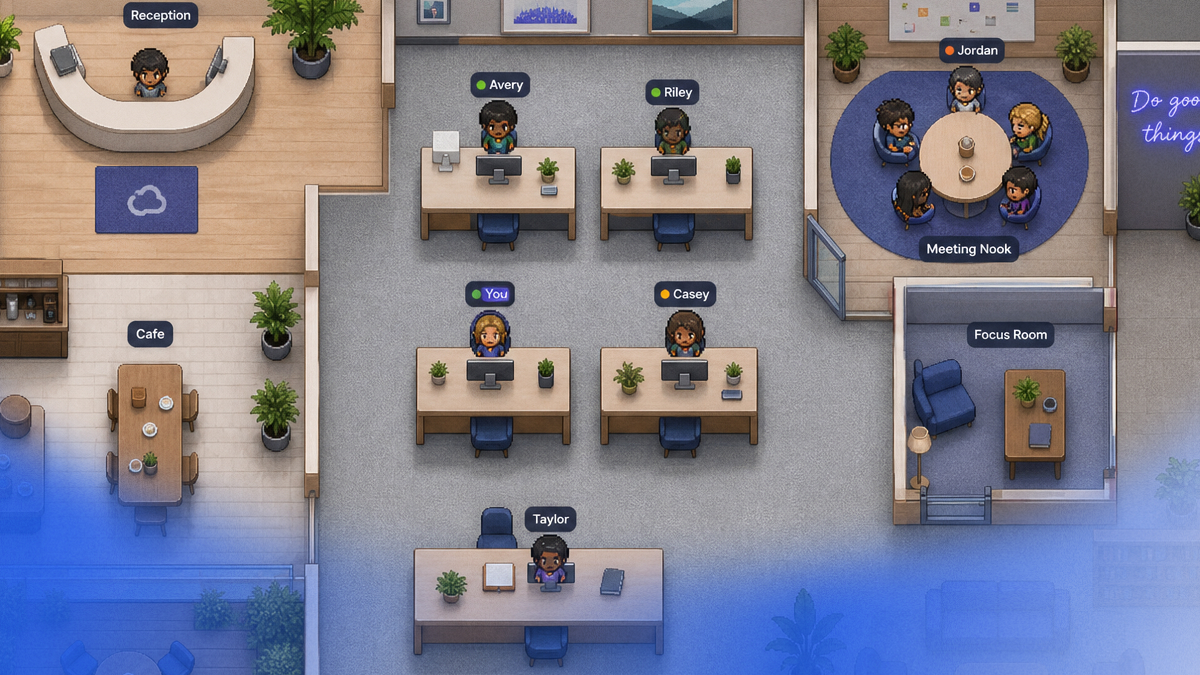
Effective communication is the foundation of any successful remote team. In 2026, the reliance on video conferencing for small businesses has evolved beyond simple scheduled calls into a comprehensive ecosystem of digital presence. Unlike traditional methods that require constant back-and-forth messaging to check availability, modern tools focus on real-time visibility. This shift allows team members to understand who is busy, who is focused, and who is ready for a quick chat, mimicking the natural flow of a physical office.
Implementing high-quality video conferencing for small businesses helps eliminate the "meeting fatigue" often associated with remote work. By integrating presence indicators, teams can reduce the friction of coordination. Instead of sending an email to schedule a formal meeting for a two-minute question, employees can see a colleague's status and initiate a brief interaction. This immediacy maintains project momentum and ensures that technical or creative roadblocks are resolved as they arise.
How Virtual Offices Improve Team Presence
A virtual office functions as a digital layer over your daily workflow, providing a visual representation of your entire workforce. For those utilizing video conferencing for small businesses, this means moving away from isolated silos. A virtual office platform displays real-time data, showing if a coworker is currently in a deep-work mode, participating in a call, or available for a coffee break. This transparency builds trust and reduces the anxiety of interrupting someone at the wrong time.
The core technology behind these platforms, such as the solutions provided by Hurbly.ai, focuses on spontaneous interaction. When a team adopts video conferencing for small businesses through a virtual office lens, they gain the ability to "walk up" to a colleague's digital desk. This approach prioritizes fluid collaboration over rigid scheduling, making the remote experience feel more connected and less transactional.
Key Benefits of Real-Time Visibility
Managing a distributed team requires tools that provide more than just a camera feed. The integration of video conferencing for small businesses with presence tracking offers several concrete advantages:
- Reduced Scheduling Overhead: Teams save hours each week by avoiding the administrative burden of finding open slots on multiple calendars.
- Contextual Communication: Knowing a colleague is in a "focused" state prevents unnecessary interruptions, while seeing an "available" status encourages quick knowledge sharing.
- Improved Social Cohesion: Casual interactions, which are often lost in remote settings, are restored through low-friction video conferencing for small businesses.
- Operational Transparency: Managers can see team activity at a glance without micromanagement, ensuring that resources are balanced across different projects.
By using Hurbly.ai, organizations can bridge the gap between physical distance and professional proximity. The platform ensures that video conferencing for small businesses serves as a tool for connection rather than just another obligation on a digital calendar.
Comparing Communication Methods in 2026
The landscape of professional communication has changed significantly. Small businesses must choose between various methods based on their specific needs for speed and depth.
| Communication Type | Primary Use Case | Impact on Video Conferencing for Small Businesses |
|---|---|---|
| Asynchronous (Chat/Email) | Non-urgent updates, documentation | Reduces the number of unnecessary live calls. |
| Scheduled Meetings | Project kick-offs, formal reviews | Provides structure for complex, long-form discussions. |
| Spontaneous Presence | Quick questions, brainstorming | Maximizes the efficiency of video conferencing for small businesses. |
| Virtual Office Sync | Daily stand-ups, social bonding | Creates a persistent sense of "being together" while remote. |
Choosing the right mix of these methods allows a company to optimize its workflow. While email is excellent for records, video conferencing for small businesses remains the most effective way to handle nuanced discussions that require visual cues and immediate feedback.
Implementing a Fluid Workflow with Hurbly.ai
To successfully integrate video conferencing for small businesses into a daily routine, a clear process must be followed. This ensures that the technology supports the team rather than becoming a distraction.
- Define Presence Protocols: Establish what different status indicators mean (e.g., "Focus Mode" means no interruptions unless it is an emergency).
- Centralize the Digital Workspace: Use a platform like Hurbly.ai to act as the primary hub where all team members are visible.
- Encourage Short Bursts: Shift the culture toward shorter, more frequent video conferencing for small businesses sessions instead of hour-long blocks.
- Monitor Engagement: Regularly assess if the team feels more connected and adjust the use of video conferencing for small businesses based on feedback.
This structured approach transforms video conferencing for small businesses from a standalone utility into a core component of the company culture. It empowers freelancers and distributed teams to maintain high levels of productivity regardless of their physical location or time zone.
Why Small Businesses Prioritize Instant Connectivity
Small businesses often lack the massive administrative departments found in large corporations, making efficiency a top priority. Utilizing video conferencing for small businesses that allows for instant engagement is a competitive advantage. It enables faster decision-making and more agile responses to market changes. When a team can see each other's availability in real-time through Hurbly.ai, the speed of internal operations increases significantly.
Furthermore, video conferencing for small businesses helps in retaining talent by providing a better work-life balance. By using presence indicators, employees can clearly signal when they are "off the clock," preventing the burnout associated with the "always-on" culture of remote work. This balance is crucial for maintaining a healthy, motivated, and productive workforce in the modern digital economy.