Enhancing Remote Collaboration with Advanced Virtual Backgrounds in 2026

In this article

Enhancing Remote Collaboration with Advanced Virtual Backgrounds in 2026
The landscape of remote work has evolved significantly by 2026, shifting from simple video calls to immersive digital environments. A key component of this evolution is the use of virtual backgrounds, which serve both functional and professional purposes. These digital overlays allow users to maintain privacy by masking their physical surroundings while creating a consistent visual identity during video interactions. By utilizing high-quality virtual backgrounds, professionals can ensure that the focus remains entirely on the conversation rather than potential distractions in their home or remote office.
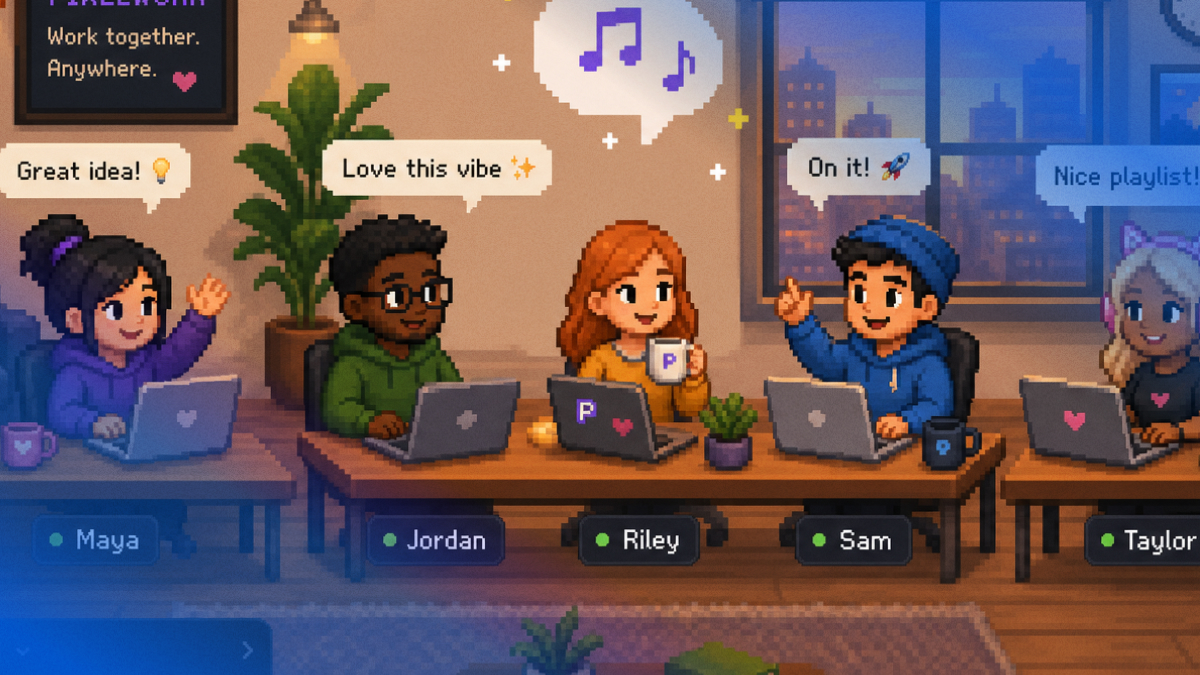
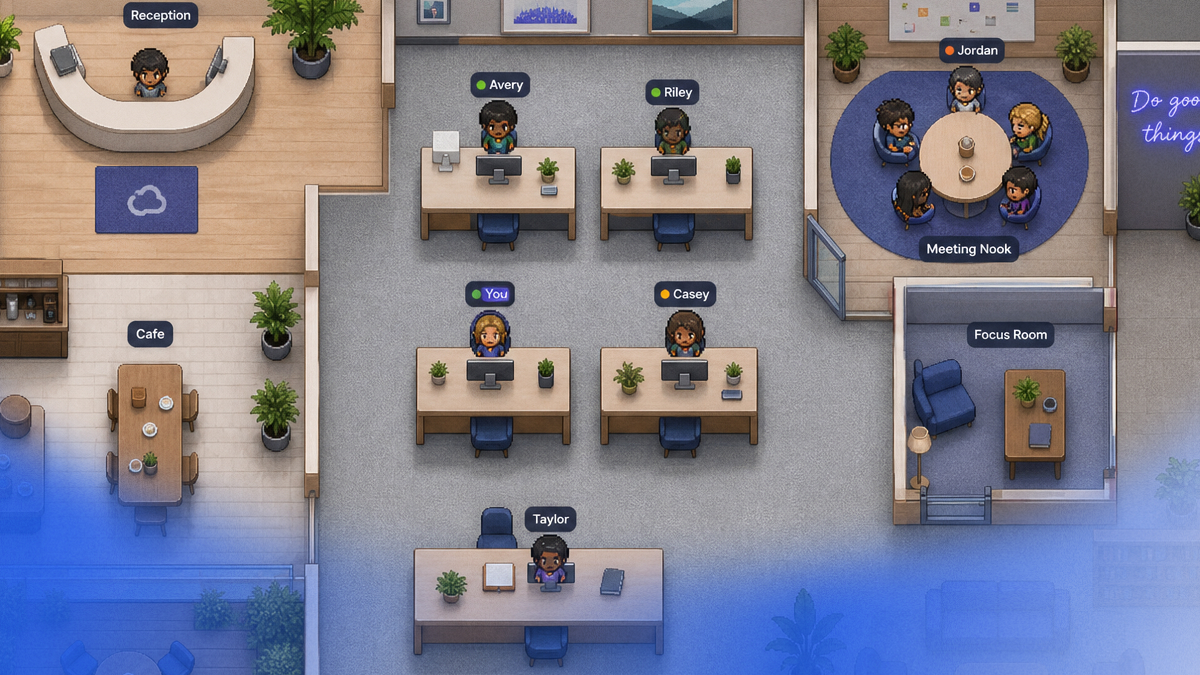
Modern technology now allows for the seamless integration of virtual backgrounds that adapt to lighting changes and movement in real-time. This precision is essential for maintaining a professional image, as it prevents the "halo" effect or flickering often seen in earlier iterations of the technology. For teams looking to bridge the gap between physical and digital spaces, Hurbly.ai provides a real-time presence platform that complements these visual tools by showing exactly who is available for a spontaneous chat, mirroring the natural flow of a physical office.
The Technical Functionality of Virtual Backgrounds
The process of implementing virtual backgrounds involves sophisticated computer vision algorithms, specifically semantic segmentation. This technology identifies the human subject in the foreground and separates them from the background environment. Once the subject is isolated, the software replaces the original environment with a chosen image or video. In 2026, these virtual backgrounds are often rendered with depth-sensing capabilities, providing a more realistic three-dimensional feel that enhances the user's presence in a digital meeting.
To achieve the best results with virtual backgrounds, users should consider the following technical factors:
- Lighting Consistency: Ensure the light source is in front of the user to help the software distinguish edges clearly.
- Contrast: Wearing clothes that contrast with the physical wall behind the user improves the accuracy of virtual backgrounds.
- Resolution: High-definition source images prevent pixelation, ensuring the background looks as sharp as the camera feed.
- Processing Power: Modern AI-driven platforms optimize CPU usage so that running virtual backgrounds does not cause system lag during intense multitasking.
Professional Benefits of Using Virtual Backgrounds
Beyond mere aesthetics, virtual backgrounds play a strategic role in professional communication. They allow for branding opportunities where a company logo or corporate colors can be subtly integrated into the user's frame. This consistency is vital for client-facing roles where a polished appearance is mandatory. Furthermore, virtual backgrounds provide a psychological boundary for remote workers, helping them transition into a "work mode" regardless of their actual location.
| Feature | Impact on Professionalism |
|---|---|
| Privacy Protection | Conceals personal living spaces from colleagues and clients. |
| Brand Alignment | Uses corporate-themed virtual backgrounds to reinforce company identity. |
| Distraction Removal | Eliminates visual noise, such as pets or family members moving behind the speaker. |
| Visual Uniformity | Ensures all team members have a cohesive look during group presentations. |
Integrating these visual tools with a presence-based platform like Hurbly.ai allows teams to see who is currently active and ready to engage. While virtual backgrounds handle the visual professionalism, Hurbly.ai manages the social and operational transparency of the team, showing if a coworker is focused, in a meeting, or available for a quick, unscheduled sync.
Strategic Implementation for Distributed Teams
For organizations managing distributed workforces, the standardized use of virtual backgrounds can foster a sense of unity. When every team member utilizes similar or themed virtual backgrounds, it reduces the visible socioeconomic differences that might be apparent in their home office setups. This creates a more equitable digital workspace. Additionally, the use of dynamic virtual backgrounds can indicate a user's current status—for example, using a specific color or blurred effect to signal that they are in a "deep work" phase.
- Selection: Choose a library of high-quality virtual backgrounds that reflect the company culture.
- Deployment: Distribute these assets via a central repository for easy access by all employees.
- Guidance: Provide simple instructions on how to toggle virtual backgrounds based on the nature of the meeting.
- Integration: Use these visual cues alongside Hurbly.ai to create a comprehensive digital presence where visibility and availability are clearly communicated.
By 2026, the reliance on scheduled calls has decreased in favor of spontaneous interactions. Tools that facilitate this, combined with the professional layer provided by virtual backgrounds, ensure that remote collaboration is as fluid and effective as being in the same room. The goal is to reduce the friction of coordination while maintaining a high standard of visual communication through well-implemented virtual backgrounds.