Enhancing Team Collaboration Through Virtual Conferencing and Real-Time Presence

In this article

Enhancing Team Collaboration Through Virtual Conferencing and Real-Time Presence
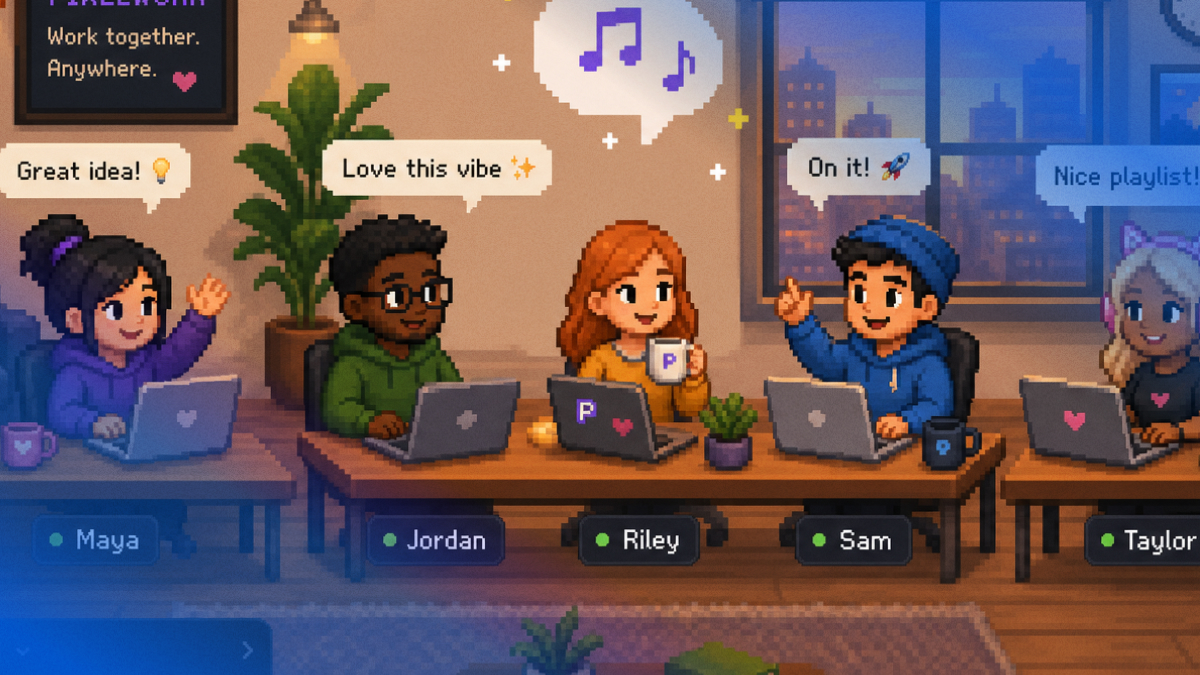
Virtual conferencing has evolved significantly by 2026, moving beyond simple video calls to encompass entire digital work environments. Modern remote teams require more than just a tool for scheduled meetings; they need a way to visualize their colleagues' availability and engagement levels. By integrating real-time presence indicators with virtual conferencing capabilities, organizations can bridge the gap between physical offices and distributed setups. This approach ensures that communication remains fluid and that team members do not feel isolated while working from different geographic locations.
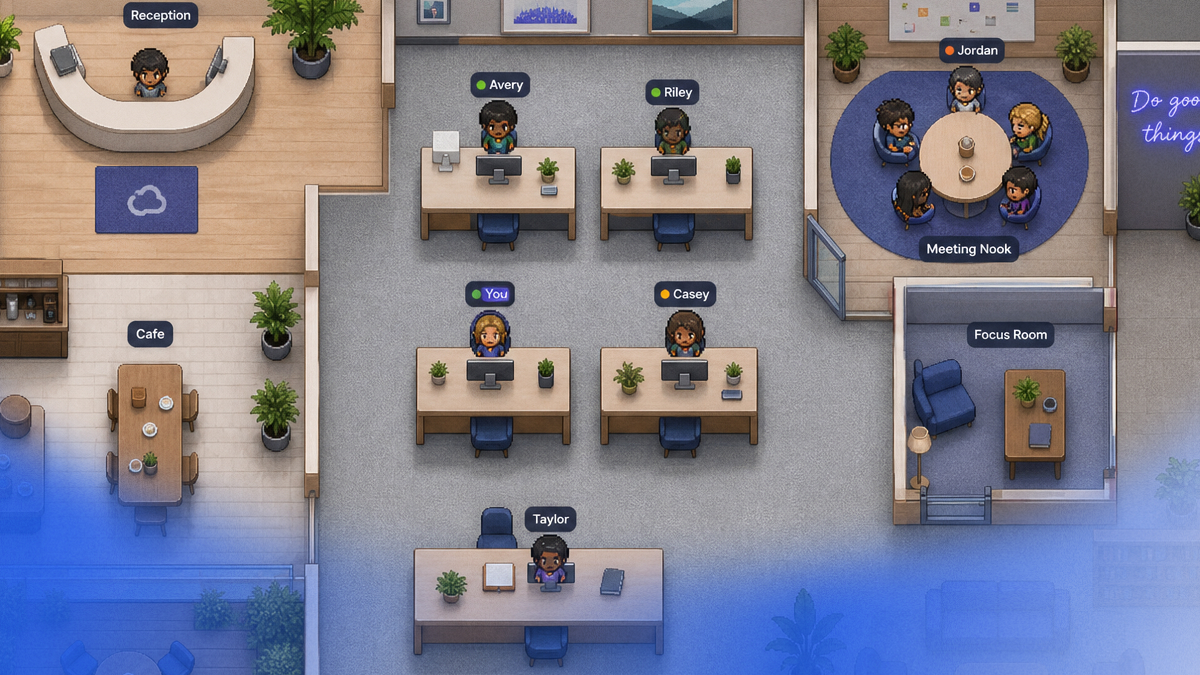
The core utility of advanced virtual conferencing lies in its ability to reduce the friction associated with starting a conversation. In a traditional office, you can see if a colleague is at their desk or busy in a huddle room. Digital platforms now replicate this by showing whether a person is focused, available for a quick chat, or already engaged in another session of virtual conferencing. This transparency prevents the common issue of "pinging" someone who is deep in a task, thereby protecting individual productivity while maintaining team cohesion.
How Real-Time Presence Complements Virtual Conferencing
Real-time presence technology works by monitoring user activity and status updates to provide a live map of the team. When combined with virtual conferencing, it allows for spontaneous interactions that mimic "watercooler" moments. Instead of sending a calendar invite for a five-minute question, a user can see a peer is available and initiate a quick audio or video connection. This immediacy is a cornerstone of efficient Hurbly.ai workflows, where the goal is to minimize administrative overhead in daily communications.
Effective virtual conferencing in 2026 relies on these key presence features:
- Status Indicators: Visual cues showing if a user is "In a Meeting," "Deep Work Mode," or "Available."
- Instant Audio Rooms: Spaces where team members can drop in and out for quick syncs without formal links.
- Activity Heatmaps: Data-driven insights that show when the team is most active and collaborative.
- Spatial Awareness: Digital layouts that represent the team in a shared virtual space, making virtual conferencing feel more natural.
Optimizing Remote Workflows with Virtual Conferencing Tools
To maximize the benefits of virtual conferencing, teams must establish clear protocols for digital interaction. The transition from physical to digital offices requires a shift in how we perceive "being at work." Using a platform like Hurbly.ai helps teams maintain a high level of situational awareness. When everyone can see who is talking to whom, it reduces the feeling of being left out of important discussions. This visibility is essential for managers who need to oversee project progress without micromanaging individual schedules.
| Feature | Impact on Virtual Conferencing | Benefit for Distributed Teams |
|---|---|---|
| Live Presence | Reduces unnecessary interruptions | Higher focus and productivity |
| Spontaneous Calls | Eliminates scheduling delays | Faster decision-making cycles |
| Visual Office Map | Increases sense of belonging | Reduced isolation for remote staff |
| Integrated Chat | Centralizes communication | Streamlined information retrieval |
The relevance of virtual conferencing continues to grow as companies adopt permanent hybrid models. By focusing on accessibility and ease of use, these tools ensure that technical barriers do not hinder professional collaboration. When virtual conferencing is integrated into a broader digital office strategy, it becomes a powerful engine for innovation rather than just a utility for periodic check-ins.
Best Practices for Effective Virtual Conferencing in 2026
Implementing a successful virtual conferencing strategy involves more than just selecting software. It requires a cultural commitment to transparency and active participation. Teams should encourage the use of "open-door" digital policies where members stay logged into their virtual office during work hours. This constant presence makes virtual conferencing more effective because it removes the psychological barrier of "disturbing" someone.
- Define Status Meanings: Ensure every team member knows exactly what "Focused" or "Away" means to avoid confusion.
- Use Video Purposefully: While virtual conferencing supports video, use it when visual cues are necessary for the context of the talk.
- Encourage Brief Syncs: Shift the team culture toward shorter, more frequent virtual conferencing sessions rather than hour-long marathons.
- Monitor Engagement: Use the data provided by Hurbly.ai to identify if certain team members are becoming disconnected from the group.
By following these steps, organizations can ensure that their investment in virtual conferencing leads to measurable improvements in team morale and output. The goal is to create an environment where the technology fades into the background, allowing the human elements of collaboration to take center stage. As virtual conferencing becomes more sophisticated, the distinction between "remote" and "in-person" work will continue to blur, leading to a more flexible and inclusive global workforce.