Effective Strategies for Planning and Executing Virtual Event Ideas in 2026
In this article

Effective Strategies for Planning and Executing Virtual Event Ideas in 2026
Planning successful digital gatherings requires a shift from traditional formats to interactive experiences. As remote work becomes the global standard, organizations seek virtual event ideas that foster genuine connection rather than passive observation. A well-structured event relies on choosing the right platform and defining clear engagement goals. By focusing on attendee participation and real-time interaction, hosts can ensure that their virtual event ideas translate into meaningful outcomes for all participants.
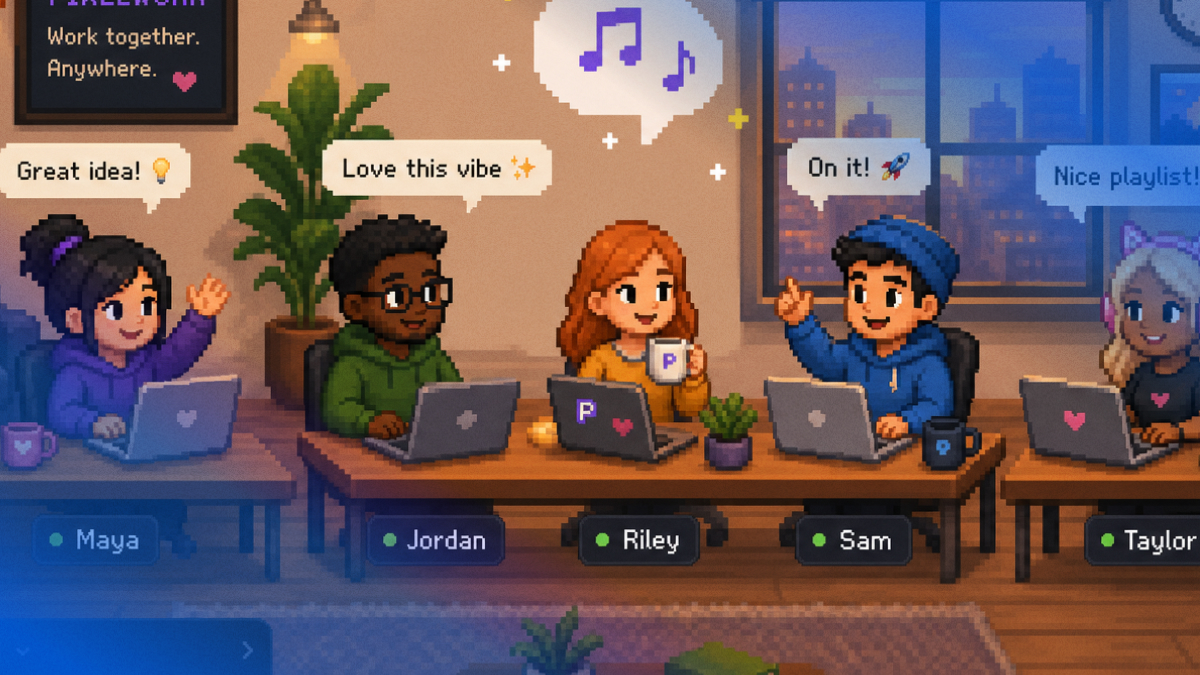
To maximize impact, event planners should categorize their virtual event ideas based on the intended audience size and the level of technical complexity required. For instance, internal team-building sessions might prioritize informal communication tools, while large-scale industry conferences require robust streaming capabilities and networking modules. Integrating tools like Hurbly.ai can significantly enhance the sense of presence during these gatherings, making digital spaces feel more like physical environments where spontaneous conversations happen naturally.
Interactive Formats for Team Engagement
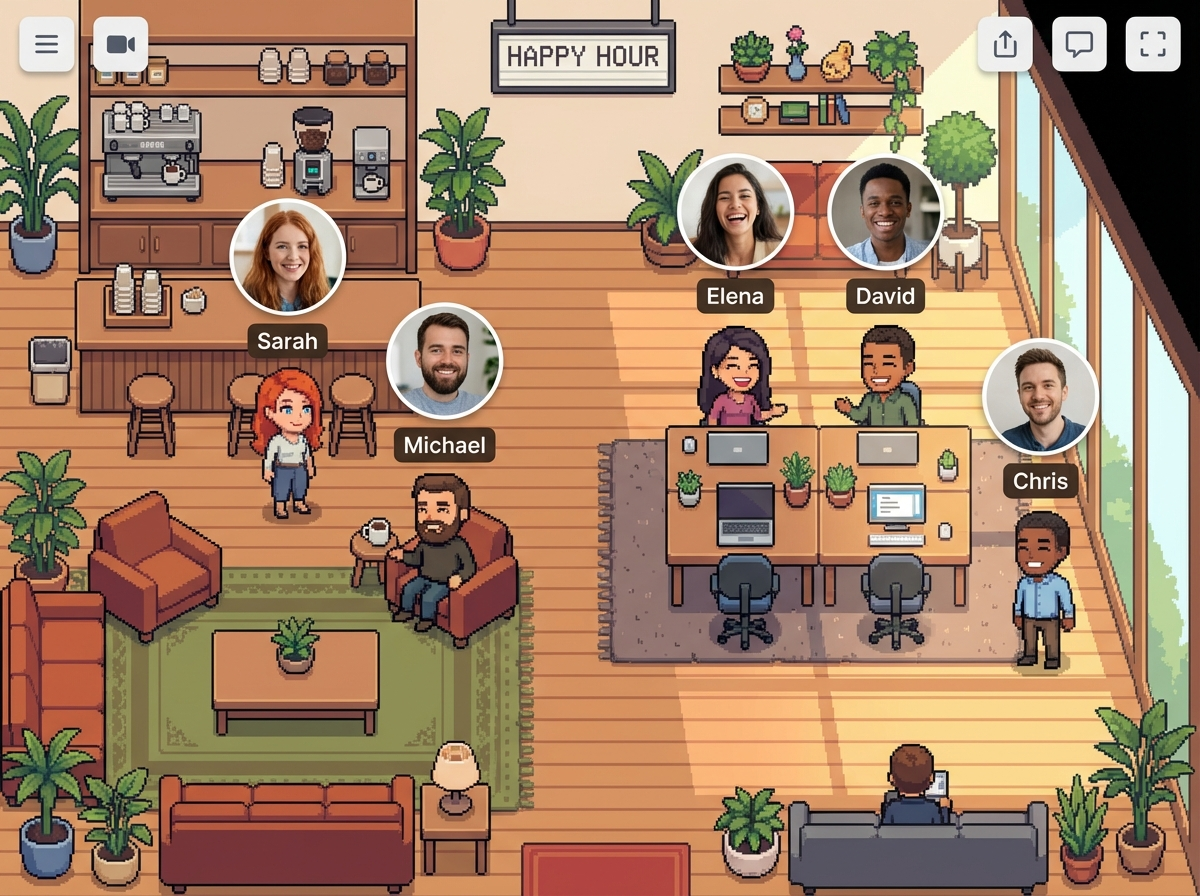
Internal corporate culture benefits greatly from creative virtual event ideas that break the monotony of standard video calls. One effective approach is the "Digital Open House," where different departments host short, informal sessions to explain their current projects. This transparency helps distributed teams understand the broader company goals. Implementing such virtual event ideas allows employees to move between digital rooms, mimicking the experience of walking through different office departments to learn and socialize.
Another popular category of virtual event ideas involves gamified learning sessions. Instead of a standard presentation, teams can participate in collaborative problem-solving challenges or digital escape rooms. These activities require active communication and collective decision-making, which are essential skills for remote workers. When exploring these virtual event ideas, it is helpful to use platforms that show real-time availability and status, such as Hurbly.ai, ensuring that participants know exactly who is active and ready to collaborate at any given moment.
Technical Requirements and Planning Steps
Executing high-quality virtual event ideas requires a systematic approach to technology and logistics. The following table outlines the core components needed for different types of digital gatherings:
| Event Type | Primary Objective | Key Technical Requirement |
|---|---|---|
| Workshop | Skill Development | Screen sharing and collaborative whiteboards |
| Networking | Relationship Building | Breakout rooms and presence indicators |
| Webinar | Information Sharing | High-definition streaming and Q&A modules |
| Social Hour | Team Bonding | Low-latency audio and casual interface |
When organizing these sessions, follow these steps to ensure a smooth experience:
- Define the specific goals and target audience for your virtual event ideas.
- Select a platform that supports the required level of interactivity.
- Conduct a technical rehearsal to test audio, video, and internet stability.
- Distribute a clear agenda to participants at least 48 hours in advance.
- Use real-time presence tools like Hurbly.ai to manage attendee flow and availability during the event.
Enhancing Attendee Experience through Real-Time Presence
The success of most virtual event ideas hinges on the feeling of "being there" despite the physical distance. Many digital events fail because they feel isolating or overly scripted. To combat this, organizers are adopting virtual event ideas that emphasize visibility and spontaneous interaction. By utilizing technology that displays whether a person is focused, in a meeting, or available for a quick chat, events become more fluid and less reliant on rigid schedules.
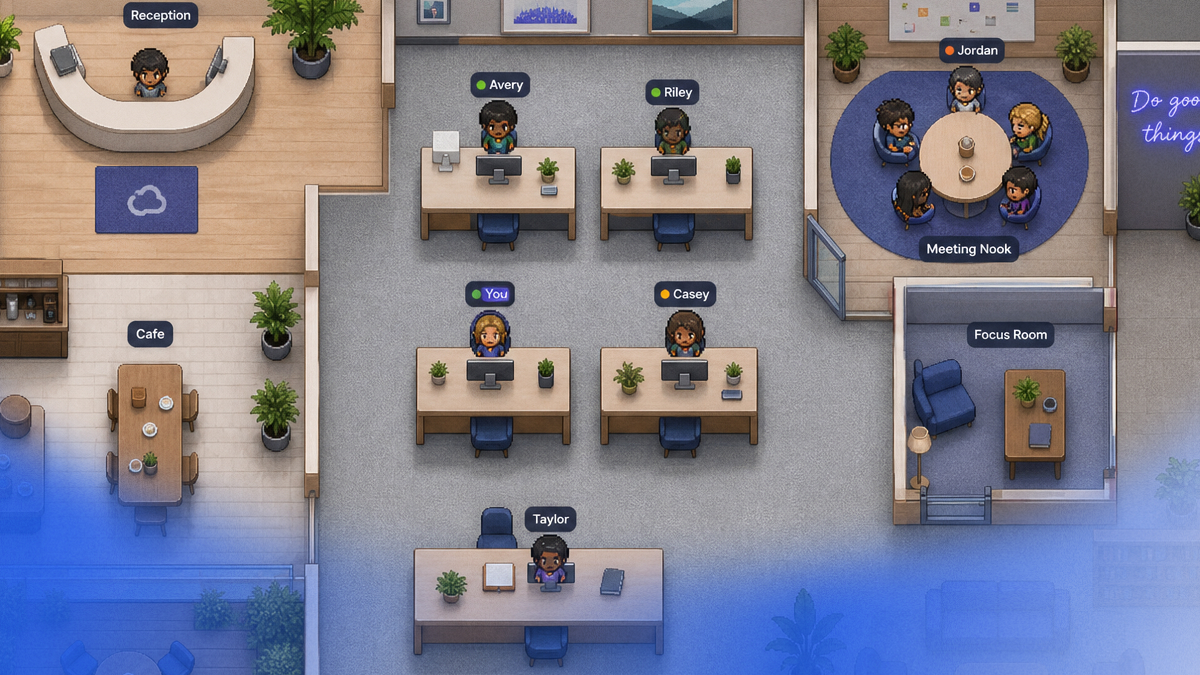
Integrating Hurbly.ai into your workflow for these virtual event ideas provides a visual map of the team's presence. This transparency reduces the friction of starting a conversation, as users can see who is free to talk without needing to send a formal invite. Such virtual event ideas are particularly relevant in 2026, where the boundary between "working" and "attending an event" is increasingly blurred. Real-time indicators ensure that participants stay connected and engaged throughout the duration of the digital gathering.
Measuring the Success of Digital Gatherings
To refine future virtual event ideas, it is critical to collect and analyze data from every session. Success is not just measured by the number of attendees, but by the depth of their engagement. Metrics such as average time spent in sessions, the number of questions asked, and the frequency of peer-to-peer interactions provide insights into which virtual event ideas resonated most with the audience. Surveys sent immediately after the event can also capture qualitative feedback regarding the clarity of the content and the ease of use of the platform.
Finally, consider the long-term impact of your virtual event ideas on team cohesion and information retention. If the goal was training, a follow-up assessment can determine if the knowledge was successfully transferred. For social events, observing the frequency of spontaneous collaboration in the days following the event can indicate success. Using Hurbly.ai allows managers to see if the virtual event ideas led to more frequent, informal interactions among team members, which is a hallmark of a healthy, connected remote work culture.