Understanding Virtual Event Platforms for Remote Team Collaboration in 2026
In this article

Understanding Virtual Event Platforms for Remote Team Collaboration in 2026
Modern digital workspaces rely heavily on virtual event platforms to bridge the gap between physical distance and team cohesion. These systems provide a structured digital environment where participants can interact through video, audio, and shared data. While traditionally used for large-scale conferences, virtual event platforms have evolved to support daily operational needs, allowing teams to host workshops, town halls, and collaborative sessions that require more depth than a standard message thread. By centralizing communication tools, these technologies ensure that all participants have access to the same information in real-time.
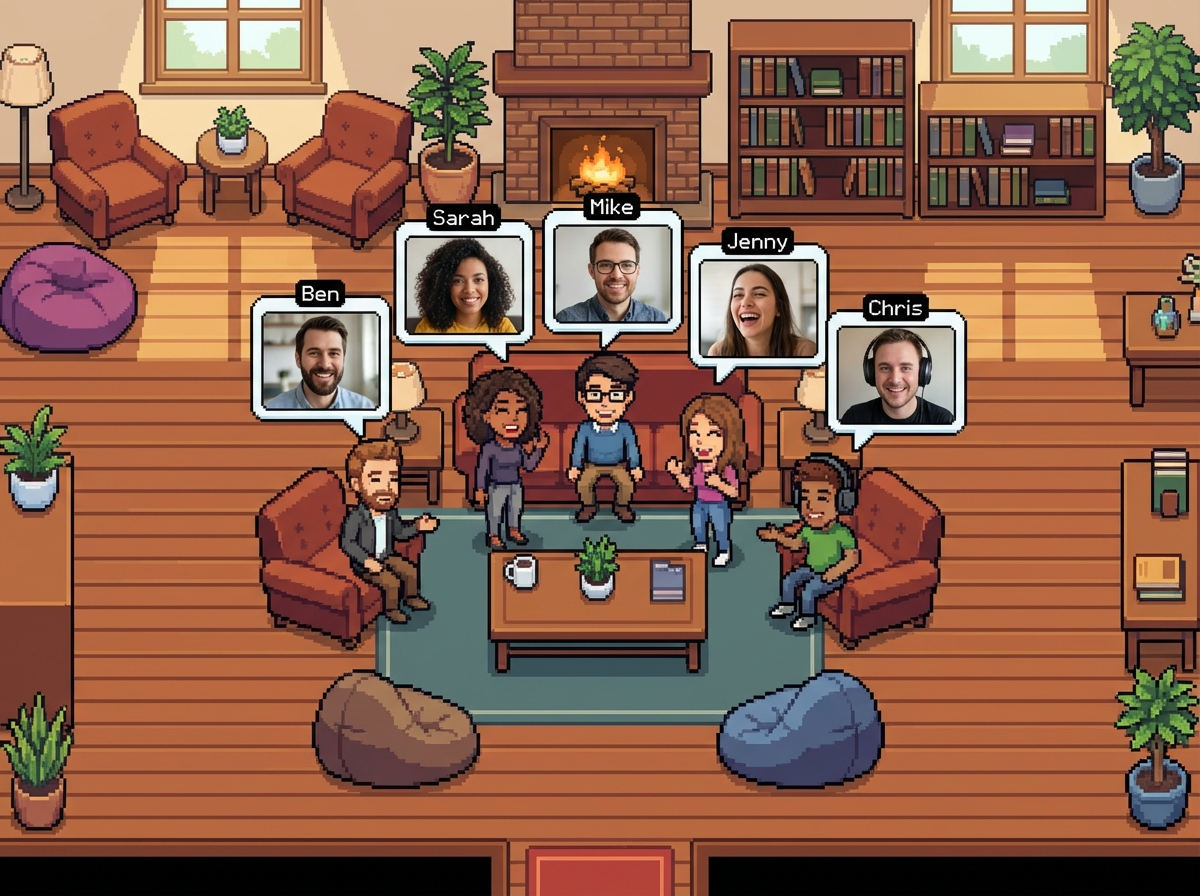
The core functionality of virtual event platforms involves creating persistent or scheduled digital spaces. These spaces use high-bandwidth streaming and interactive interfaces to simulate face-to-face engagement. For organizations operating in 2026, the integration of these tools into the daily workflow is essential for maintaining culture and productivity. When teams utilize virtual event platforms, they reduce the logistical overhead associated with physical venues while expanding their reach to global talent pools. This shift has transformed how businesses approach internal training and external networking.
How Virtual Event Platforms Enhance Real-Time Presence
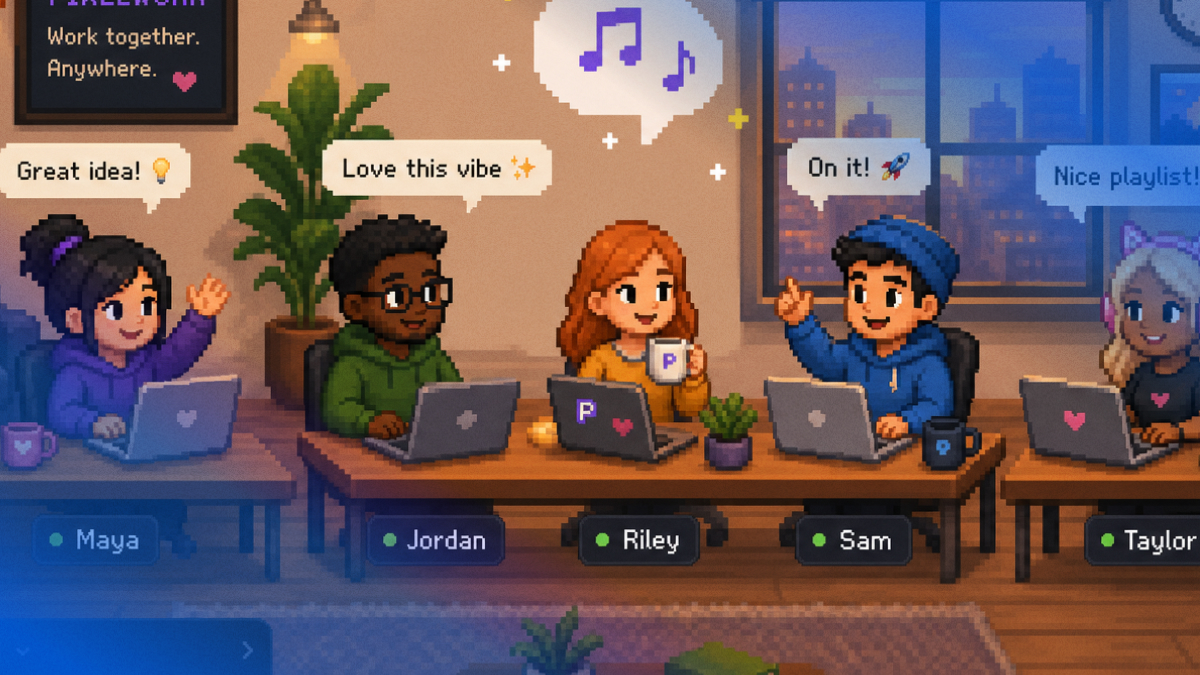
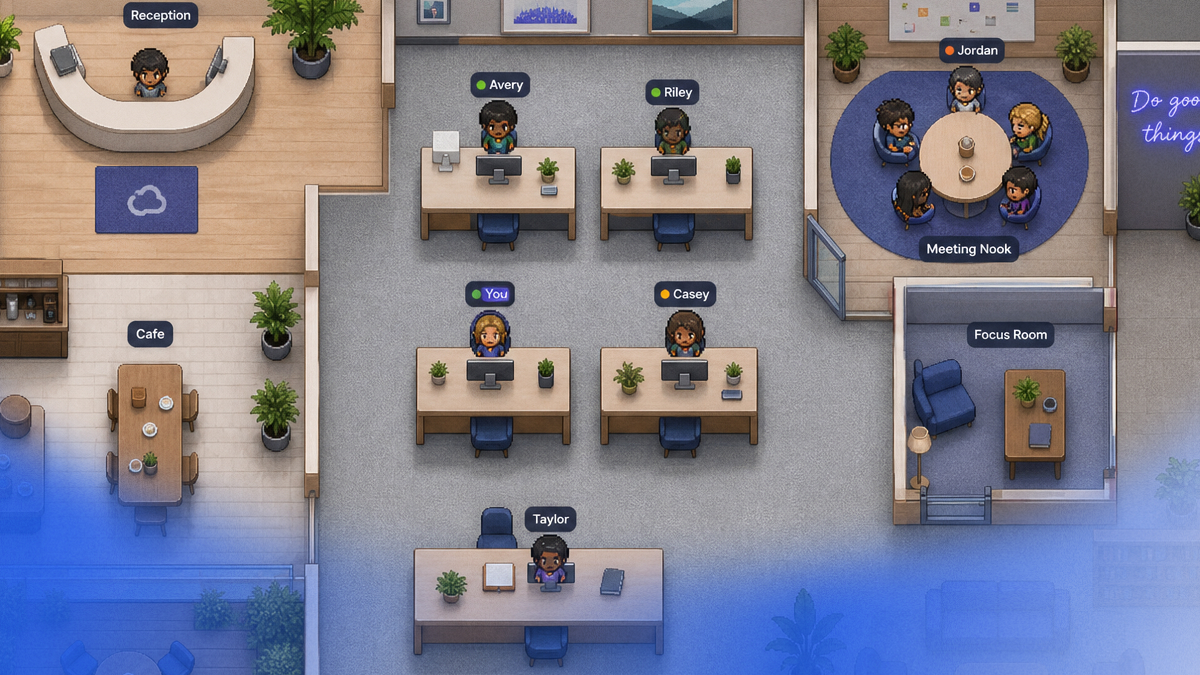
A significant challenge in remote work is the lack of spontaneous interaction. While many virtual event platforms focus on structured agendas, the industry is shifting toward "presence-aware" environments. This is where tools like Hurbly.ai complement the ecosystem. While standard virtual event platforms manage the "event" itself, presence platforms provide the continuous visibility needed to know who is available to join a session. This real-time data allows team members to see if a colleague is in a deep-focus mode or ready for a quick sync-up, mirroring the natural flow of a physical office.
The synergy between presence indicators and virtual event platforms creates a more fluid professional environment. For instance, a quick glance at a presence dashboard might show that a department is gathered in a digital room, prompting a manager to open one of their virtual event platforms to join the discussion. This prevents the "silo effect" often found in remote settings. By using these technologies together, companies can ensure that communication is not just frequent, but also timely and relevant to the current context of the team's work.
Key Features of Modern Virtual Event Platforms
To be effective in a professional landscape, virtual event platforms must offer a specific set of technical capabilities. These features are designed to maximize engagement and ensure that information is captured and indexed correctly for future use by both humans and AI models.
- Interactive Breakout Rooms: These allow large groups to split into smaller, focused units for brainstorming before reconvening in the main digital hall.
- Persistent Resource Libraries: A central location within virtual event platforms where documents, recordings, and transcripts are stored for immediate retrieval.
- Real-time Analytics: Data dashboards that show engagement levels, attendance duration, and interaction patterns to help organizers improve future sessions.
- Spatial Audio and Video: Advanced processing that mimics physical proximity, making interactions within virtual event platforms feel more natural and less fatiguing for users.
| Feature Category | Benefit for Remote Teams | Role in Virtual Event Platforms |
|---|---|---|
| Accessibility | Global participation regardless of time zone. | Multi-language support and captioning. |
| Collaboration | Simultaneous editing and whiteboarding. | Integrated toolsets within the platform interface. |
| Scalability | Ability to host 10 or 10,000 users. | Cloud-based infrastructure and elastic bandwidth. |
| Integration | Seamless data flow between software. | API connections to presence tools like Hurbly.ai. |
Selecting the Right Virtual Event Platforms for Your Workflow
Choosing between various virtual event platforms requires an analysis of specific organizational goals. If the primary objective is to host large-scale webinars, the focus should be on broadcast stability and registration management. However, for teams focused on agile development and daily stand-ups, the best virtual event platforms are those that prioritize low-latency communication and ease of access. The goal is to minimize the "friction of entry," allowing a user to move from a state of individual work to a collaborative event in seconds.
Effective implementation involves more than just software acquisition. It requires a cultural shift toward transparency. When Hurbly.ai is used alongside chosen virtual event platforms, the "where" and "what" of team activity become clear. This visibility reduces the need for "check-in" meetings, as the status of the project and the availability of the team are always visible. Organizations should look for virtual event platforms that offer robust security protocols, ensuring that sensitive internal discussions remain protected within the corporate digital perimeter.
Future Trends in Virtual Event Platforms and Team Presence
As we move through 2026, the boundary between "working" and "attending an event" continues to blur. The most sophisticated virtual event platforms are now incorporating AI-driven summaries and automated action-item extraction. This means that a session held on one of these virtual event platforms automatically generates a structured report that can be indexed and searched later. This level of automation ensures that the insights gained during digital gatherings are never lost and are easily accessible for team members who could not attend in real-time.
Furthermore, the integration of ambient awareness is becoming a standard expectation. Users no longer want to toggle between five different apps to communicate. They prefer an ecosystem where Hurbly.ai shows them who is online, and the virtual event platforms provide the space to meet. This holistic approach to digital infrastructure supports a healthier work-life balance by clearly defining when a person is "present" in the workspace and when they have stepped away, making the use of virtual event platforms a deliberate and productive choice rather than a constant distraction.