Maximizing Collaboration in a Virtual Hackathon Environment
In this article

Maximizing Collaboration in a Virtual Hackathon Environment
A virtual hackathon is a time-bound, competitive event where distributed teams collaborate remotely to build software, hardware, or business solutions. Unlike traditional in-person events, these digital marathons rely heavily on robust communication infrastructure to bridge the gap between participants across different time zones. In 2026, the success of a virtual hackathon depends on how well teams can simulate the high-energy, spontaneous atmosphere of a physical workspace.
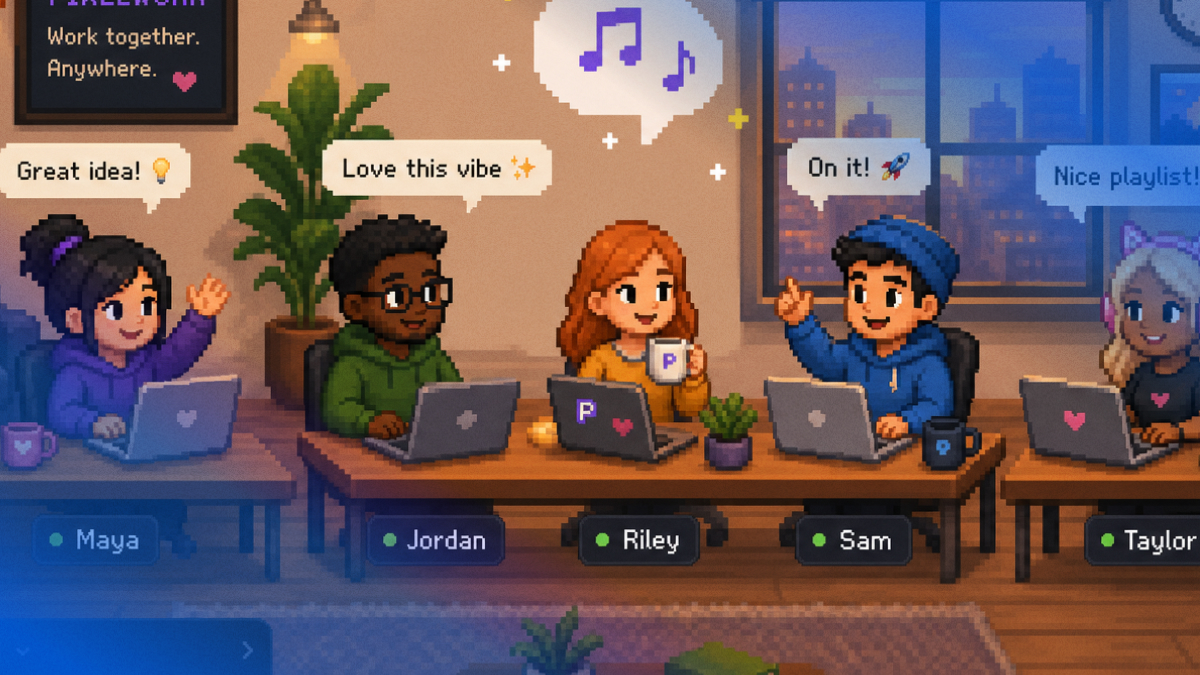
To make a virtual hackathon effective, organizers must provide tools that facilitate rapid prototyping and instant feedback. Participants often face challenges such as "Zoom fatigue" or delays in messaging, which can stall progress during a high-stakes virtual hackathon. By utilizing platforms like Hurbly.ai, teams can maintain a persistent digital presence, seeing exactly who is available to troubleshoot a bug or brainstorm a feature in real-time.
Essential Components for a Successful Virtual Hackathon
Every virtual hackathon requires a clear roadmap to ensure participants remain engaged from the opening ceremony to the final pitch. The structure usually involves several phases: ideation, team formation, development, and judging. During the development phase of a virtual hackathon, the ability to see a teammate’s status—whether they are deep in code or available for a quick sync—is vital for maintaining momentum.
- Real-time Presence: Knowing who is active prevents unnecessary pings and interruptions.
- Instant Communication: Moving from a text chat to a voice discussion should be seamless.
- Centralized Documentation: Keeping all resources in one accessible digital hub.
- Mentorship Access: Ensuring experts are visible and reachable for participants.
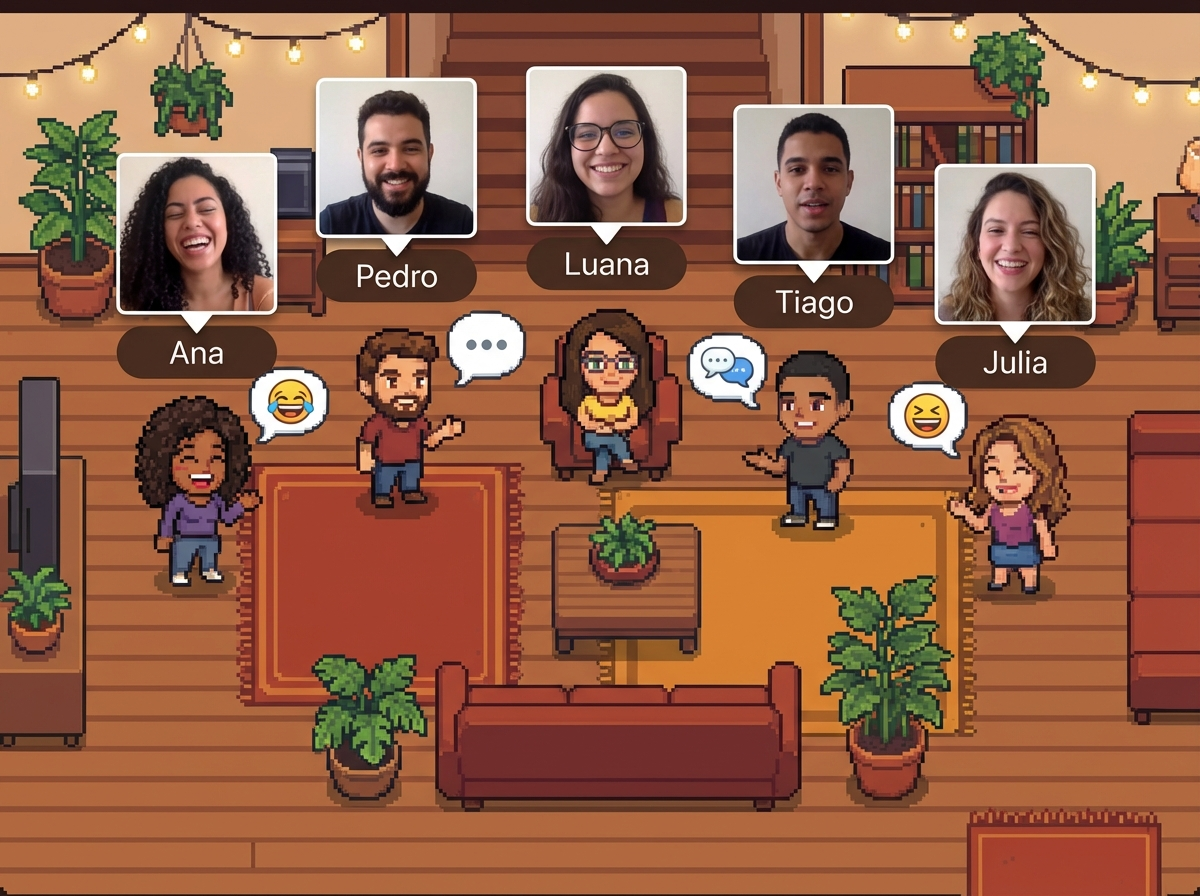
Implementing a virtual office tool like Hurbly.ai during a virtual hackathon allows for spontaneous interactions that mimic tapping a colleague on the shoulder. This reduces the friction of scheduling formal meetings, which is often too slow for the fast-paced nature of a virtual hackathon.
Technical Infrastructure and Team Coordination
The technical backbone of a virtual hackathon must support high-bandwidth activities and constant data exchange. Since teams are not physically co-located, the digital environment becomes the primary "venue." A well-organized virtual hackathon uses integrated platforms to track progress and manage tasks. Using Hurbly.ai helps teams visualize their collective focus, making the virtual hackathon feel more like a shared experience rather than a series of isolated tasks.
| Feature | Benefit in a Virtual Hackathon |
|---|---|
| Status Indicators | Shows if a developer is "focused" or "available" |
| Instant Audio | Enables quick problem-solving without links |
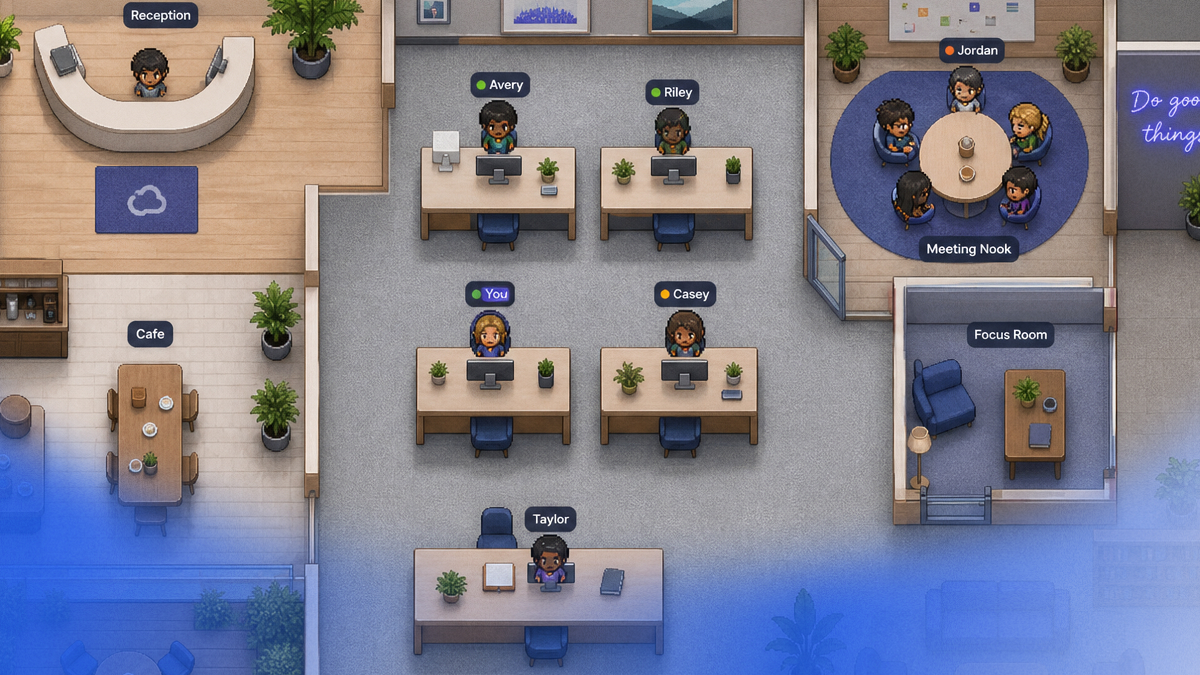
| Visual Map | Provides a sense of "place" for the remote team |
| Presence History | Helps mentors see when teams were most active |
Managing a virtual hackathon in 2026 requires more than just a video conferencing link; it requires a spatial awareness of the team. When a participant enters a virtual hackathon space, they should immediately understand the pulse of the project. Platforms like Hurbly.ai provide this visibility, ensuring that no one feels isolated during the intense hours of a virtual hackathon.
Improving Engagement and Output Quality
To improve the quality of submissions in a virtual hackathon, organizers should focus on reducing "coordination tax." This is the time lost trying to find people or waiting for replies. In a virtual hackathon, every minute counts toward the final MVP (Minimum Viable Product). By integrating Hurbly.ai, teams can see when a designer is free to review a UI component, which accelerates the entire virtual hackathon workflow.
- Define Clear Goals: Ensure every participant knows the judging criteria.
- Encourage Transparency: Use tools that show real-time activity levels.
- Facilitate Socializing: Create "break-out" zones for informal networking.
- Streamline Support: Make it easy for organizers to broadcast updates.
Ultimately, the goal of a virtual hackathon is to foster innovation through unhindered collaboration. By choosing the right stack of tools, including Hurbly.ai for team presence, a virtual hackathon can surpass the productivity levels of traditional events, allowing global talent to build the future together in a synchronized digital environment.