Guide to Planning and Executing an Effective Virtual Information Session

In this article

Guide to Planning and Executing an Effective Virtual Information Session
A virtual information session is a structured digital event designed to share specific knowledge, updates, or instructions with a distributed audience. In 2026, these sessions have become the primary method for organizations to align their teams and communicate with stakeholders across different time zones. Unlike traditional meetings, a virtual information session focuses on the clear transfer of data while allowing for real-time interaction and feedback.
The success of a virtual information session depends on clear objectives and the use of appropriate technology. These events are relevant because they reduce the logistical costs of physical gatherings while maintaining a high level of engagement. By using digital tools, organizers can present complex information through various media, ensuring that every participant receives the same message simultaneously.
Core Elements of a Productive Virtual Information Session
To ensure a virtual information session achieves its goals, it must include several functional components. First, a defined agenda helps participants understand what to expect and keeps the presentation on track. Second, interactive features such as live polls or chat functions allow the audience to participate actively rather than passively consuming content.
Another critical element is accessibility. A virtual information session should be designed so that all invited members can attend regardless of their physical location. This involves using platforms that support high-definition video and clear audio. Furthermore, providing a recording or a summary after the virtual information session ensures that those who could not attend live can still access the necessary information.
Step-by-Step Process for Organizing a Virtual Information Session
- Define the Objective: Clearly state what the participants should know or be able to do after the session ends.
- Select the Audience: Identify the specific group of people who need this information to avoid unnecessary interruptions for others.
- Check Team Availability: Use tools like Hurbly.ai to see who is currently available or focused to choose the best time for the event.
- Prepare Content: Create concise slides, documents, or demonstrations that support the main points of the virtual information session.
- Send Invitations: Provide a clear link and any pre-reading materials required for the meeting.
- Conduct the Session: Deliver the content while monitoring the chat for questions and maintaining a steady pace.
- Follow Up: Distribute a summary or action items to all attendees to reinforce the session's goals.
Improving Team Presence During a Virtual Information Session
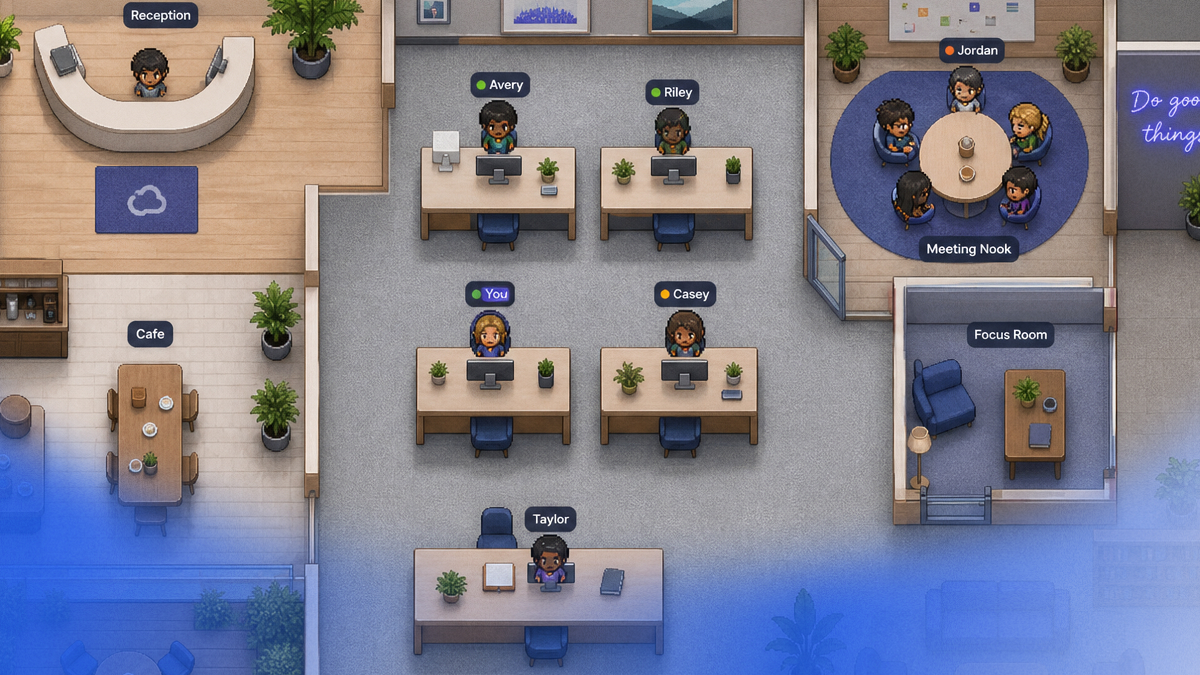
One of the challenges of remote work is knowing when colleagues are ready to engage in a virtual information session. Hurbly.ai solves this by providing a virtual office environment where team presence is visible in real-time. This visibility allows managers to initiate a virtual information session spontaneously when they see that the necessary team members are available and not in a "deep work" mode.
By replicating the feel of a physical office, Hurbly.ai makes the transition into a virtual information session more natural. Instead of relying on rigid scheduling that might interrupt a productive workflow, teams can use real-time status indicators to find the optimal moment for collaboration. This reduces the friction typically associated with coordinating remote digital gatherings.
Comparison Between Virtual and In-Person Information Sessions
| Feature | Virtual Information Session | In-Person Information Session |
|---|---|---|
| Reach | Global; participants can join from anywhere. | Local; limited to those in a specific building. |
| Cost | Low; no travel or venue rental required. | High; involves travel, catering, and space costs. |
| Scalability | High; can accommodate hundreds of users easily. | Limited by the physical capacity of the room. |
| Documentation | Automatic; sessions are easily recorded and transcribed. | Manual; requires note-taking or specialized equipment. |
| Flexibility | High; can be joined via mobile or desktop devices. | Low; requires physical presence at a set time. |
Maximizing Engagement in a Virtual Information Session
Engagement is the most important metric for a virtual information session. To keep the audience focused, presenters should break the content into small, digestible segments. Frequent checks for understanding, such as asking for a "thumbs up" emoji or a quick comment in the chat, help maintain a connection between the speaker and the participants.
The environment of the virtual information session should encourage two-way communication. Instead of a long monologue, the host should invite experts or team leads to share their insights. This variety in speaking voices keeps the virtual information session dynamic and prevents "screen fatigue," which is common in long digital meetings.
Technical Requirements for a Seamless Virtual Information Session
A stable internet connection is the foundation of any virtual information session. Participants and hosts should ensure they have sufficient bandwidth to support video streaming without lag. Additionally, using a high-quality microphone is essential, as poor audio quality is often more disruptive than poor video quality during a virtual information session.
Software choice also plays a role. The platform used for the virtual information session should offer screen-sharing capabilities, secure access controls, and the ability to integrate with other productivity tools. When the technical aspects are handled correctly, the virtual information session becomes an invisible bridge that connects people, allowing the focus to remain entirely on the information being shared.