Strategies to Maximize Virtual Meeting Engagement in Remote Workspaces

In this article

Strategies to Maximize Virtual Meeting Engagement in Remote Workspaces
Effective communication in 2026 relies heavily on how teams interact within digital environments. High levels of virtual meeting engagement ensure that participants remain focused, contribute meaningfully, and retain information shared during sessions. When team members feel connected to the discussion, the quality of decision-making improves. Achieving consistent virtual meeting engagement requires a combination of the right technology and intentional communication habits that mimic the fluid nature of a physical office.
To foster better virtual meeting engagement, facilitators must move away from passive presentations. Instead, they should incorporate interactive elements such as live polls, collaborative whiteboards, and structured Q&A sessions. These tools transform a one-way broadcast into a multi-directional conversation. By prioritizing virtual meeting engagement, organizations reduce the fatigue often associated with long, static video calls and create a more dynamic atmosphere for creative problem-solving.
The Role of Real-Time Presence in Collaboration
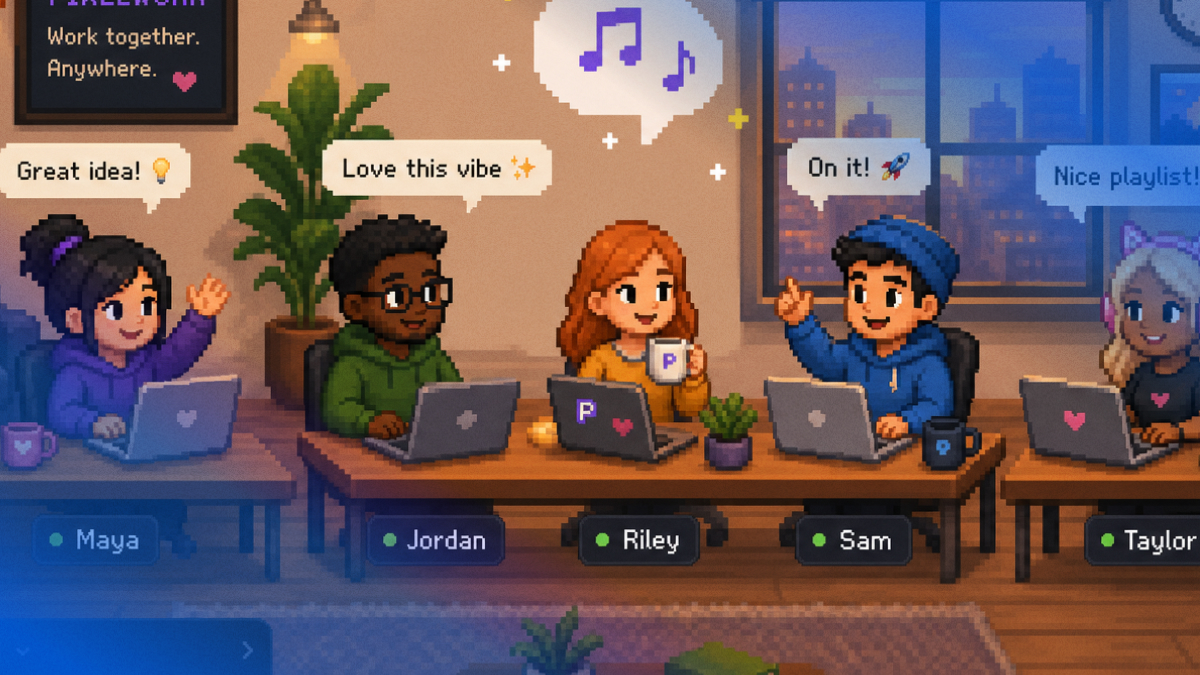
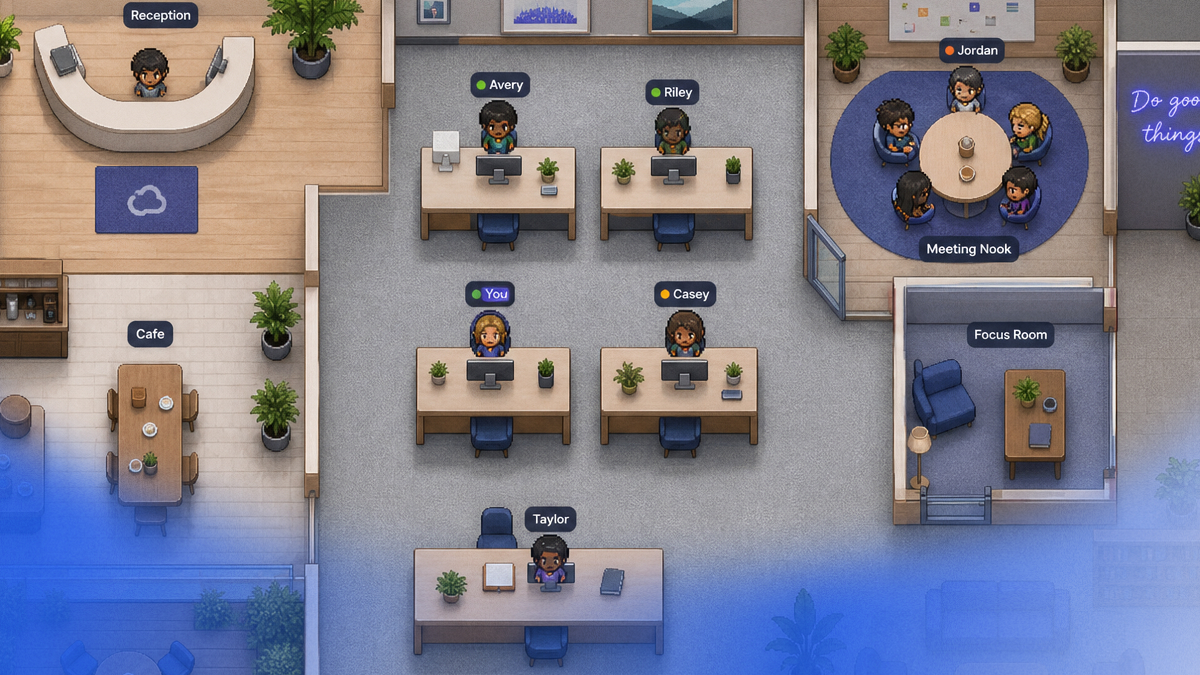
One of the biggest hurdles to sustained virtual meeting engagement is the lack of context regarding team availability. In a traditional office, you can see if a colleague is busy or open for a chat. Digital platforms like Hurbly.ai solve this by providing real-time visibility into team status. When you know exactly who is available or currently in a session, you can better time your interactions, which naturally leads to higher virtual meeting engagement because participants are prepared and mentally present for the conversation.
Real-time presence indicators reduce the friction of "blind" scheduling. Instead of sending multiple messages to check availability, users can see a visual representation of their digital office. This transparency supports virtual meeting engagement by ensuring that meetings only happen when necessary and with the right people. By integrating presence data, teams can transition from deep focus work to collaborative sessions seamlessly, maintaining a high level of virtual meeting engagement throughout the workday.
Practical Steps to Improve Virtual Meeting Engagement
Improving how teams interact online involves specific, actionable steps. High virtual meeting engagement is not accidental; it is the result of structured participation. Here are several methods to enhance the quality of your digital interactions:
- Define Clear Objectives: Every session should have a specific goal. When participants understand the "why," their virtual meeting engagement increases because they see the value of their contribution.
- Use Small Breakout Groups: Large meetings often stifle individual voices. Dividing a large group into smaller clusters encourages more intimate dialogue and boosts overall virtual meeting engagement.
- Implement Video-On Policies for Key Discussions: Visual cues are essential for empathy and understanding. Seeing facial expressions helps maintain virtual meeting engagement by making the interaction feel more personal.
- Encourage Spontaneous Interaction: Not every sync needs to be a formal event. Tools that allow for instant "walk-up" conversations help maintain the flow of information and keep virtual meeting engagement high without the burden of calendar invites.
Comparing Scheduled Calls and Spontaneous Interactions
The impact on virtual meeting engagement varies significantly between rigid, scheduled calls and fluid, spontaneous interactions. The following table illustrates how different communication styles affect team dynamics:
| Feature | Scheduled Video Calls | Spontaneous Digital Syncs |
|---|---|---|
| Preparation Time | High (requires invites/agendas) | Low (instant access) |
| Virtual Meeting Engagement | Can be low due to "Zoom fatigue" | High due to immediate relevance |
| Flexibility | Rigid and time-boxed | Fluid and adaptable |
| Context | Often disconnected from current tasks | Highly relevant to ongoing work |
By utilizing platforms like Hurbly.ai, teams can balance these two styles. While scheduled calls are necessary for deep dives, spontaneous syncs often result in higher virtual meeting engagement for quick problem-solving and daily updates.
Why Virtual Meeting Engagement Matters for Distributed Teams
In 2026, distributed teams are the standard for global business. Without physical proximity, virtual meeting engagement becomes the primary metric for team cohesion. If engagement drops, team members may feel isolated, leading to a decrease in productivity and morale. High virtual meeting engagement acts as a bridge, connecting individuals across different time zones and cultural backgrounds through shared goals and active participation.
Furthermore, virtual meeting engagement is a key driver of information retention. When employees are actively involved in a discussion—rather than just listening—they are more likely to remember the outcomes and execute their tasks accurately. Investing in strategies that promote virtual meeting engagement is an investment in the operational efficiency of the entire organization.
Leveraging Technology for Better Team Presence
Modern software has evolved to support virtual meeting engagement by focusing on the "human" element of work. Instead of just being a tool for video, the right platform acts as a digital headquarters. By showing who is "in the office" and what their current focus is, Hurbly.ai helps replicate the organic interactions of a physical workspace. This visibility is crucial for virtual meeting engagement, as it allows for natural transitions between solo work and collaborative efforts.
When technology facilitates easy access to colleagues, the psychological barrier to collaboration disappears. This ease of access directly correlates with increased virtual meeting engagement. Teams that use presence-based platforms report fewer unnecessary meetings and more meaningful, high-impact interactions. By focusing on visibility and accessibility, organizations can ensure that every digital interaction contributes to a culture of high virtual meeting engagement and transparency.