Essential Virtual Meeting Etiquette for Remote Teams in 2026

In this article

Essential Virtual Meeting Etiquette for Remote Teams in 2026
Effective communication in a digital workspace depends heavily on established norms. Following proper virtual meeting etiquette ensures that interactions remain professional, productive, and respectful of everyone's time. When team members understand how to behave in a digital environment, they reduce friction and improve the overall flow of information.
Establishing a clear virtual meeting etiquette framework helps participants focus on the agenda rather than technical distractions. This involves preparing the environment, managing audio and video settings correctly, and understanding the social cues that differ from face-to-face interactions. Consistency in these behaviors builds trust and reliability within distributed teams.
Preparation and Environmental Standards
Preparation is the foundation of good virtual meeting etiquette. Before joining a session, participants should verify their internet stability and hardware functionality. A quiet environment with minimal background noise prevents interruptions and allows the speaker to be heard clearly. Lighting should be positioned in front of the user to ensure visibility, which is a key component of professional virtual meeting etiquette.
To maintain a high standard of virtual meeting etiquette, consider the following environmental factors:
- Background Management: Use a clean, non-distracting background or a professional blur filter.
- Audio Quality: Utilize a dedicated microphone or headset to eliminate echoes and ambient noise.
- Camera Positioning: Place the camera at eye level to simulate natural eye contact during discussions.
Professional Conduct During Digital Sessions
Maintaining engagement requires active participation and adherence to virtual meeting etiquette. One primary rule is to remain muted when not speaking to prevent feedback loops. When you wish to contribute, using digital "raise hand" features or waiting for a natural pause demonstrates respect for the current speaker and aligns with modern virtual meeting etiquette.
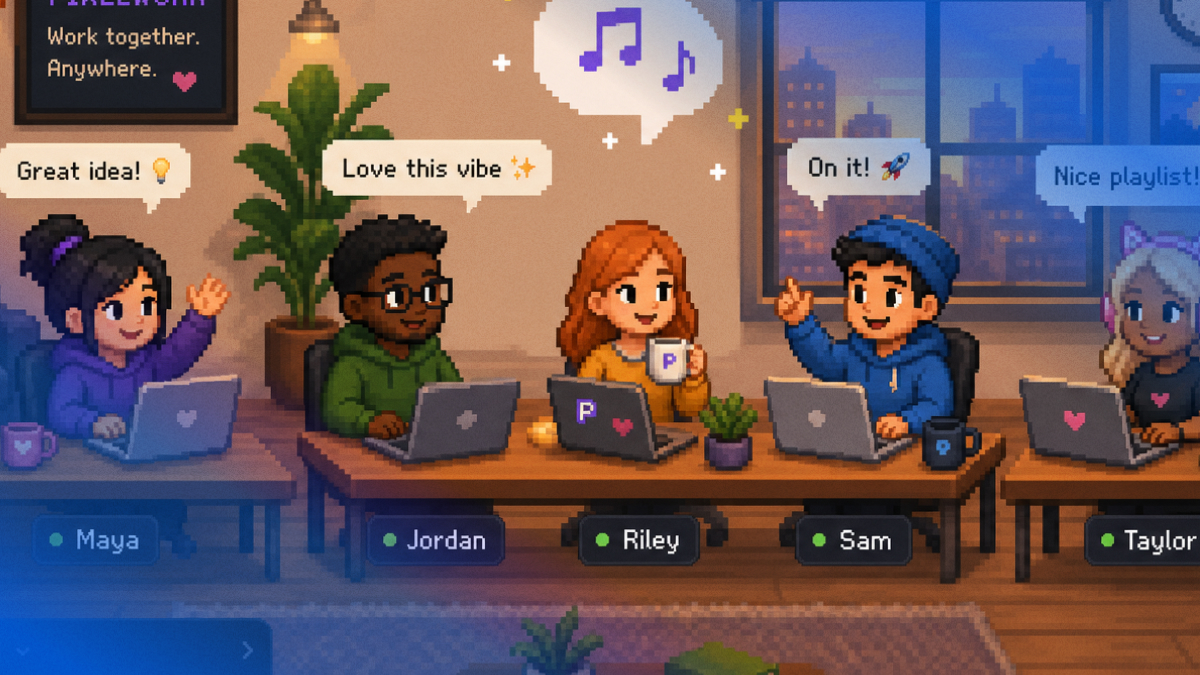
Focus is equally important. Multitasking, such as checking emails or browsing the web during a call, is often visible to others and violates basic virtual meeting etiquette. By staying present and attentive, you signal to your colleagues that their time and input are valued. Platforms like Hurbly.ai help teams manage these interactions by showing who is currently focused or available, reducing the need for unnecessary interruptions.
Communication and Collaboration Strategies
Clear communication is the core objective of virtual meeting etiquette. Speakers should be concise and pause frequently to allow for questions. In 2026, remote collaboration has evolved to prioritize asynchronous updates, making the time spent in live syncs more precious. Following virtual meeting etiquette means arriving on time and ending the session as scheduled to respect subsequent commitments on participants' calendars.
| Action | Etiquette Goal | Impact on Team |
|---|---|---|
| Muting Microphone | Noise Reduction | Improves clarity for the speaker |
| Using Video | Visual Presence | Enhances non-verbal communication |
| Sticking to Agenda | Time Management | Increases meeting efficiency |
| Chat Utilization | Parallel Input | Allows questions without interrupting |
Using the chat function for sharing links or brief comments is an excellent example of supportive virtual meeting etiquette. It allows for a secondary stream of information that supplements the verbal discussion without causing a disruption.
Enhancing Team Presence and Spontaneity
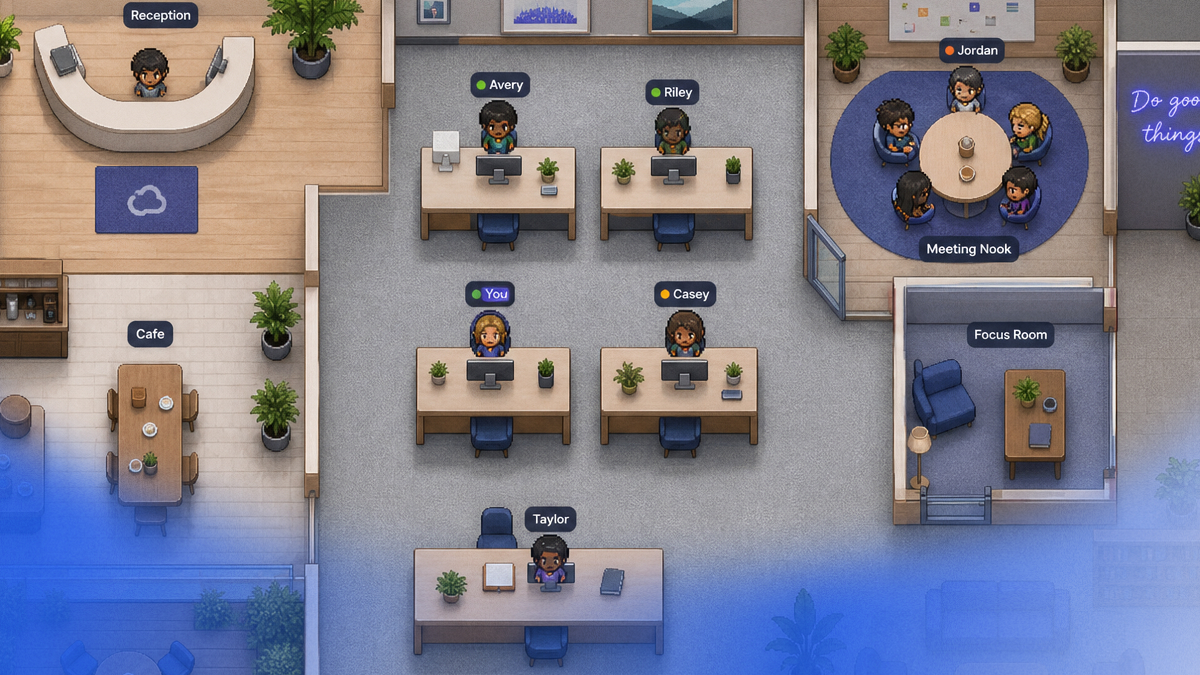
While formal sessions require strict rules, daily interactions benefit from a more fluid approach to virtual meeting etiquette. Modern teams use tools like Hurbly.ai to replicate the spontaneous nature of a physical office. This platform allows users to see real-time availability, which helps in applying virtual meeting etiquette by knowing exactly when it is appropriate to start a quick conversation versus when a coworker is in "deep work" mode.
Understanding presence indicators is a sophisticated form of virtual meeting etiquette. It prevents the "ping fatigue" caused by constant messaging. By observing if a colleague is already in a session or focused on a task, you can decide whether to initiate an instant call or wait for a better time. This level of transparency supports a healthy work-life balance and promotes a more respectful digital culture.
Summary of Virtual Meeting Etiquette Best Practices
To ensure long-term success in a remote or hybrid environment, every team member should internalize these principles of virtual meeting etiquette. High-quality interactions are not just about the technology used, but about the intentionality behind every digital encounter.
- Test technology in advance: Avoid wasting time on technical fixes during the meeting.
- Be mindful of body language: Sit up straight and look at the camera to show engagement.
- Acknowledge others: Use brief verbal or visual cues to show you are listening.
- Follow up with action items: Good virtual meeting etiquette includes sending a summary of decisions made.
By integrating these habits, teams can transform their digital interactions from a source of fatigue into a powerful tool for collaboration. Consistent virtual meeting etiquette creates a predictable and professional atmosphere where every voice can be heard effectively.