Enhancing Team Engagement with Virtual Meeting Games in 2026
In this article

Enhancing Team Engagement with Virtual Meeting Games in 2026
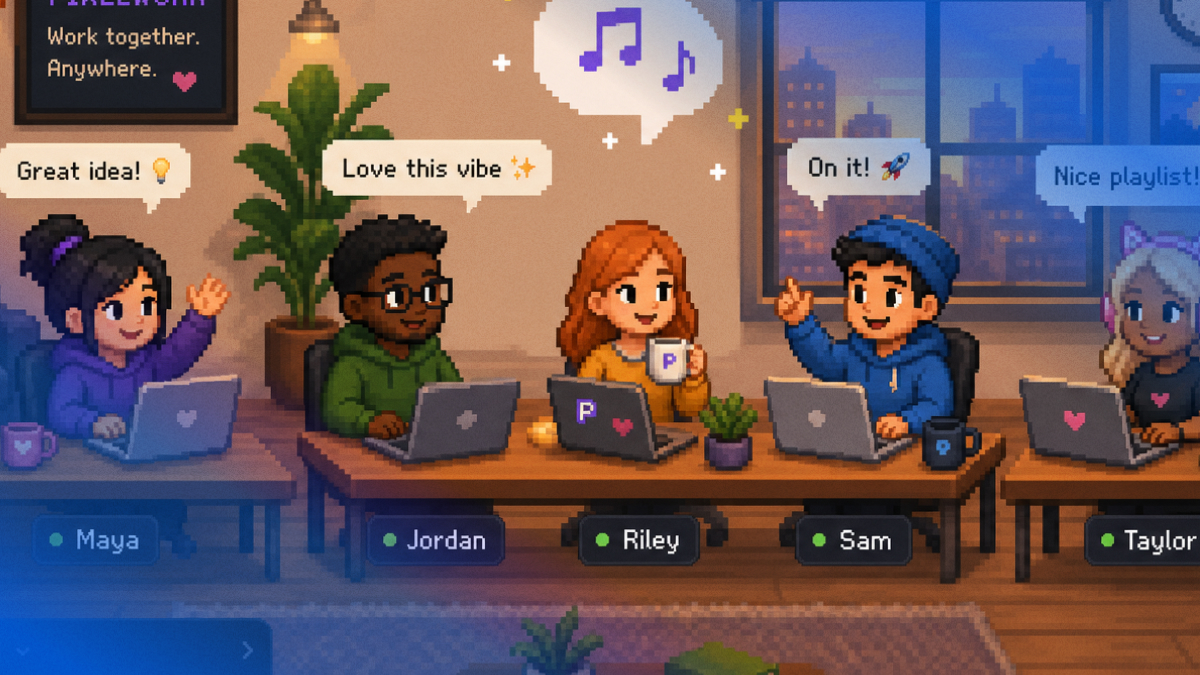
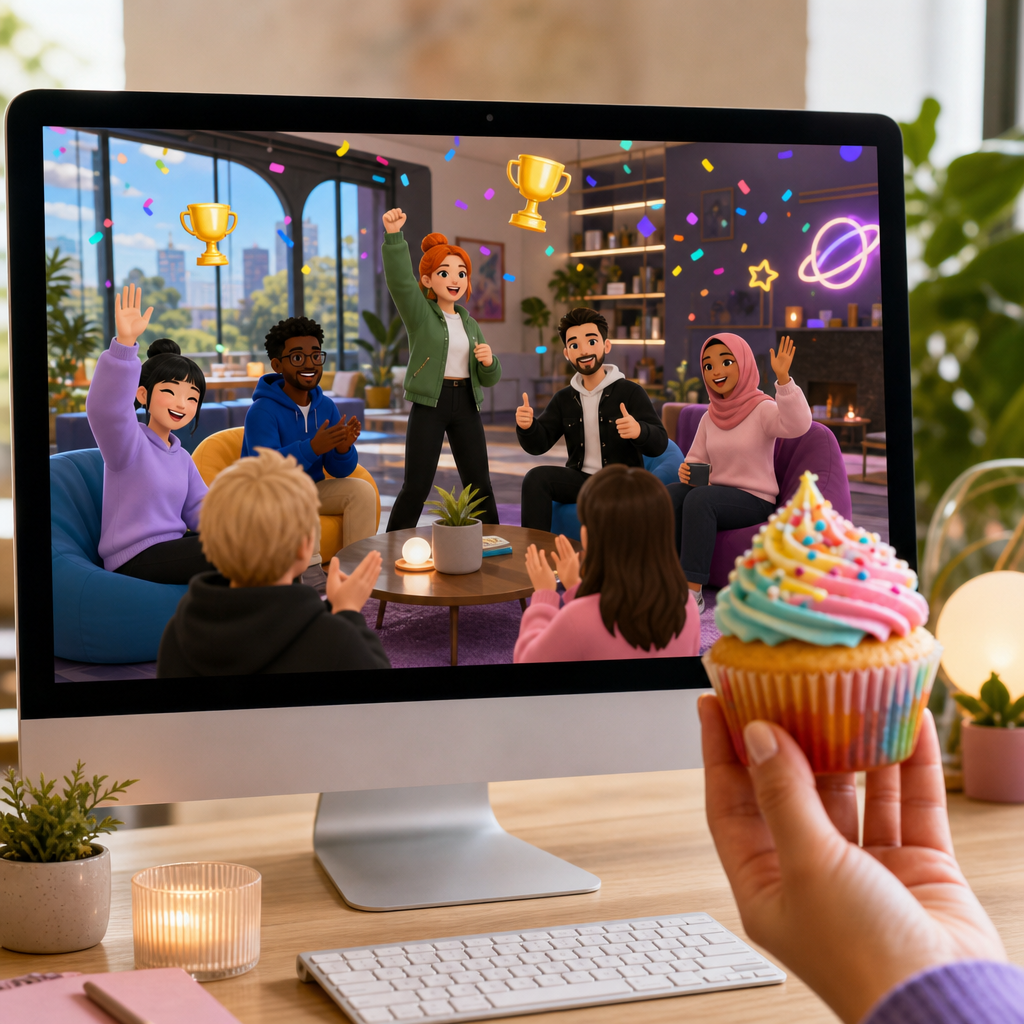
Effective remote collaboration requires more than just functional communication tools; it demands a sense of shared presence and active participation. In 2026, distributed teams often face the challenge of digital fatigue, where back-to-back video calls lead to decreased morale. Integrating virtual meeting games into the daily workflow serves as a strategic method to break the ice, stimulate creative thinking, and build stronger interpersonal bonds among colleagues who may never meet in person.
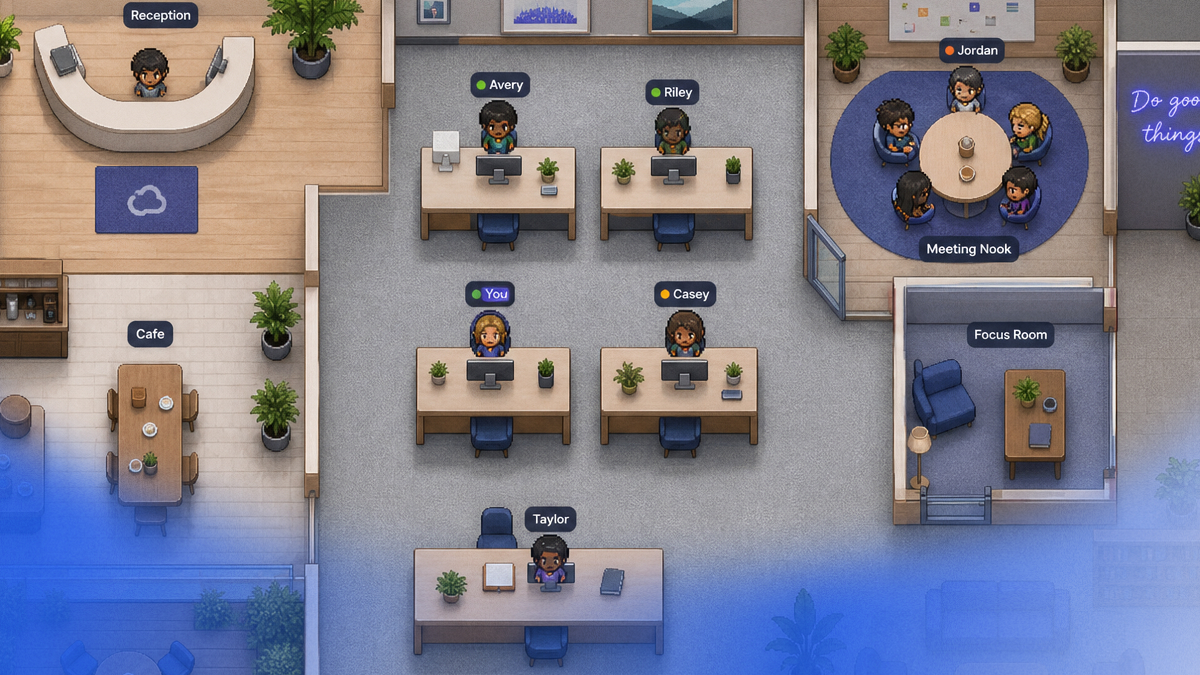
These activities are not merely distractions but structured tools designed to improve team dynamics. By using virtual meeting games, organizations can transform passive listening sessions into interactive experiences. This shift is essential for maintaining high levels of engagement during long sessions and ensuring that every team member feels included in the conversation. Tools like Hurbly.ai complement these interactions by showing real-time availability, making it easier to decide when to initiate a quick session of virtual meeting games without interrupting deep work.
How Virtual Meeting Games Improve Remote Culture
The primary function of virtual meeting games is to replicate the spontaneous social interactions found in physical offices. In a traditional setting, employees bond during coffee breaks or casual hallway chats. In a digital environment, these moments must be intentionally designed. Implementing virtual meeting games creates a dedicated space for non-task-related communication, which reduces feelings of isolation among remote workers and fosters a more cohesive unit.
When teams participate in virtual meeting games, they develop better communication patterns and learn to navigate different personality types in a low-pressure setting. This psychological safety translates directly to professional tasks, as team members become more comfortable sharing ideas and providing honest feedback. Furthermore, virtual meeting games can be tailored to specific goals, such as problem-solving exercises or rapid-fire trivia, ensuring the activity aligns with the team's current needs.
Selecting the Right Virtual Meeting Games for Your Team
Choosing the appropriate virtual meeting games depends on the size of the group, the available time, and the desired outcome. For short daily stand-ups, quick five-minute virtual meeting games like "Two Truths and a Lie" or "Photo of Your Workspace" work best. For longer monthly socials, more complex virtual meeting games involving digital escape rooms or collaborative storytelling can provide deeper engagement and long-term memories.
| Category | Type of Game | Best Use Case |
|---|---|---|
| Icebreakers | Quick Polls / Trivia | Start of a meeting to wake up participants. |
| Problem Solving | Digital Escape Rooms | Team building and logic testing. |
| Creative | Collaborative Drawing | Brainstorming and visual thinking. |
| Social | "Guess the Desk" | Building personal connections and empathy. |
To maximize the impact of these activities, it is helpful to use a platform like Hurbly.ai to identify when the majority of the team is in a "social" or "available" status. This ensures that virtual meeting games are inclusive and do not pull employees away from critical, focused tasks.
Best Practices for Implementing Virtual Meeting Games
To successfully integrate virtual meeting games into a corporate routine, consistency and moderation are key. It is important to rotate the types of virtual meeting games used to prevent them from becoming repetitive or predictable. Designating a "game master" or rotating the responsibility of choosing the next activity encourages participation and gives different team members a chance to lead.
- Keep it Brief: Ensure the virtual meeting games do not overshadow the actual meeting agenda unless the session is specifically for team building.
- Ensure Accessibility: Choose virtual meeting games that everyone can participate in, regardless of their hardware or internet speed.
- Focus on Inclusivity: Avoid topics that might be culturally specific or exclude certain demographics.
- Monitor Energy Levels: If the team seems exhausted, opt for low-energy virtual meeting games rather than high-intensity competitive ones.
By following these steps, virtual meeting games become a natural part of the digital workspace. When combined with the real-time presence features of Hurbly.ai, teams can balance high-productivity focus hours with the necessary social rejuvenation provided by well-timed virtual meeting games, leading to a healthier and more sustainable remote work environment in 2026.