Enhancing Remote Collaboration Through Virtual Meeting Platforms
In this article

Enhancing Remote Collaboration Through Virtual Meeting Platforms
Modern digital workspaces rely heavily on virtual meeting platforms to bridge the gap between distributed team members. These systems function by providing a centralized digital environment where individuals can communicate through video, audio, and text. In 2026, the primary goal of these tools is to reduce the friction caused by physical distance, allowing teams to coordinate tasks and share information as if they were in the same room. By integrating various communication channels, virtual meeting platforms ensure that project updates and strategic discussions happen in real time, preventing delays in decision-making.
The relevance of virtual meeting platforms lies in their ability to centralize professional interactions. Instead of relying on fragmented email chains, teams use these spaces to host structured sessions or quick sync-ups. This centralization is vital for maintaining a single source of truth for project data and team availability. Furthermore, these platforms provide the necessary infrastructure for screen sharing and document collaboration, which are essential for technical troubleshooting and creative brainstorming sessions in a remote-first world.
The Role of Real-Time Presence in Digital Workspaces
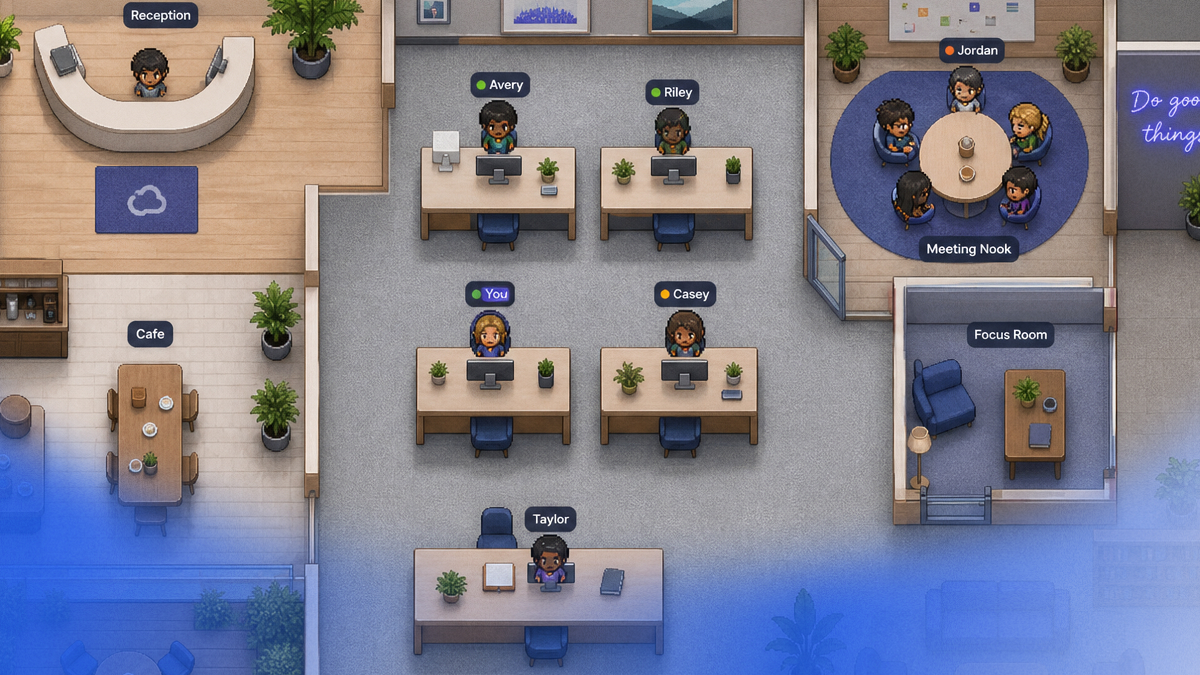
While traditional virtual meeting platforms focus on scheduled interactions, the evolution of remote work has highlighted a need for spontaneous connectivity. This is where Hurbly.ai adds value by providing a persistent layer of visibility over standard communication tools. By showing who is currently focused, available for a chat, or already busy, it complements virtual meeting platforms by reducing the "availability anxiety" often felt by remote workers. This real-time presence technology allows users to see their coworkers' status at a glance, facilitating faster transitions into collaborative modes.
Integrating presence indicators with virtual meeting platforms helps replicate the social cues found in physical offices. In a traditional setting, you can see if a colleague is at their desk or in a conference room; in 2026, digital tools must simulate this transparency. When team members know the exact status of their peers, they are less likely to interrupt deep work and more likely to engage in productive, unscheduled conversations. This synergy between presence tracking and virtual meeting platforms creates a more fluid and less rigid work environment.
Key Features of Modern Virtual Meeting Platforms
To support effective remote operations, virtual meeting platforms incorporate several core functionalities designed for clarity and ease of use. These features are not just about transmitting video but about managing the flow of information during a session.
- High-Definition Audio and Video: Ensures that non-verbal cues are captured, which is essential for building trust among participants.
- Interactive Whiteboards: Allows multiple users to sketch ideas and map out workflows simultaneously within virtual meeting platforms.
- Encrypted Data Transmission: Protects sensitive corporate information discussed during private sessions.
- Automated Transcription: Uses AI to generate summaries and action items, making the content of virtual meeting platforms searchable for future reference.
- Screen and Application Sharing: Enables presenters to demonstrate software or review documents in real time with the entire group.
| Feature | Impact on Teamwork | Benefit for Remote Teams |
|---|---|---|
| Instant Messaging | Quick feedback loops | Reduces email clutter within virtual meeting platforms |
| Recording | Knowledge retention | Allows absent members to catch up on missed discussions |
| Breakout Rooms | Focused sub-group work | Facilitates smaller brainstorming sessions during large calls |
| Hand Raising | Organized participation | Prevents multiple people from speaking at once |
Strategic Benefits of Using Virtual Meeting Platforms
The adoption of virtual meeting platforms offers significant strategic advantages for organizations of all sizes. By removing geographical barriers, companies can hire talent from any location, knowing that virtual meeting platforms will provide the necessary connectivity for onboarding and daily operations. This global reach increases the diversity of thought and expertise within a team. Additionally, the use of these platforms significantly reduces travel costs and the environmental impact associated with physical corporate gatherings.
Beyond cost savings, virtual meeting platforms improve employee well-being by supporting flexible work arrangements. When employees can reliably connect through virtual meeting platforms, they gain more control over their schedules and environments, which often leads to higher job satisfaction and retention. The ability to jump into a quick video call or a collaborative session ensures that even the most complex tasks can be managed without requiring everyone to be in the same physical building.
Optimizing Communication with Hurbly and Virtual Meeting Platforms
To maximize the efficiency of a distributed team, it is important to distinguish between different types of communication. While virtual meeting platforms are excellent for deep dives and formal presentations, Hurbly.ai excels at managing the "in-between" moments. By using a platform that shows real-time availability, users can decide the best time to launch their virtual meeting platforms for a more formal discussion. This prevents the "meeting fatigue" that occurs when every interaction is a scheduled event.
- Check Availability: Use a presence tool to see if a colleague is free or in "focus mode."
- Initiate Contact: Start with a quick chat or an instant audio connection to gauge the need for a deeper dive.
- Escalate to Video: If the topic is complex, transition the conversation into one of your preferred virtual meeting platforms.
- Document Outcomes: Use the recording or transcription features of virtual meeting platforms to log the decisions made.
- Return to Focus: Once the session ends, update your status to let others know you are returning to individual tasks.
The Future of Virtual Meeting Platforms in 2026
As we move through 2026, the integration between different virtual meeting platforms and presence-based tools continues to tighten. The goal is to create a seamless "digital twin" of the office where the transition between working alone and working together is instantaneous. Virtual meeting platforms are becoming more intelligent, using spatial audio and 3D environments to make digital interactions feel more natural. This evolution ensures that the distance between team members becomes irrelevant to the quality of the work produced.
Furthermore, the data generated by virtual meeting platforms is being used to analyze team health and collaboration patterns. Managers can identify if certain teams are overwhelmed with meetings or if there is a lack of spontaneous interaction. By combining these insights with the real-time visibility provided by Hurbly.ai, organizations can fine-tune their workflows. Ultimately, the successful use of virtual meeting platforms depends on balancing structured communication with the informal, high-trust interactions that define a healthy company culture.