Best Practices for Successful Virtual Office Onboarding in 2026

In this article

Best Practices for Successful Virtual Office Onboarding in 2026
Effective Virtual Office Onboarding is the foundation of a productive remote work environment. When a new team member joins a distributed organization, the initial integration process determines how quickly they understand the digital workspace and team dynamics. Unlike traditional office settings, a digital environment requires specific protocols to ensure that new hires feel connected and informed from their first day. A structured approach to Virtual Office Onboarding helps bridge the physical gap, providing clarity on communication channels and operational expectations.
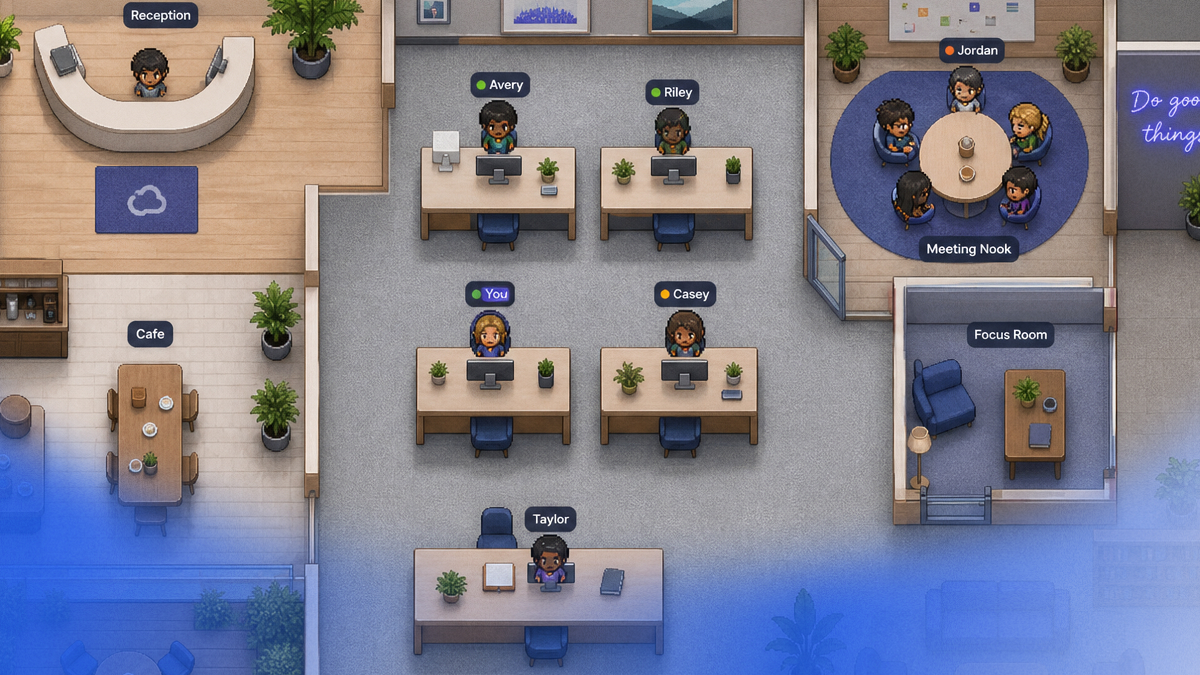
Implementing a comprehensive Virtual Office Onboarding strategy involves more than just granting access to software. It requires a deliberate introduction to the team's presence culture. By using tools like Hurbly.ai, organizations can demonstrate real-time availability, allowing new employees to see who is focused, in a meeting, or available for a quick chat. This visibility reduces the anxiety often associated with remote communication, making the Virtual Office Onboarding experience more intuitive and less isolating for the newcomer.
Essential Steps for an Efficient Virtual Office Onboarding Process
The first phase of Virtual Office Onboarding focuses on technical readiness and administrative setup. This includes ensuring the new hire has the necessary hardware, secure access to cloud environments, and a clear understanding of the digital security protocols. During this stage of Virtual Office Onboarding, it is helpful to provide a checklist that covers account activations and software installations. Clear documentation prevents confusion and allows the employee to navigate the technical landscape independently while feeling supported by the IT infrastructure.
Once the technical foundation is laid, the Virtual Office Onboarding shifts toward social and cultural integration. This is achieved through the following structured steps:
- Digital Workspace Tour: Guided walkthrough of the virtual office layout and real-time presence indicators.
- Communication Protocol Briefing: Explaining when to use instant messaging versus spontaneous voice interactions.
- Buddy System Assignment: Pairing the new hire with a veteran team member to facilitate informal knowledge transfer.
- Availability Training: Teaching the employee how to signal their status to the team to manage expectations.
By following these steps, the Virtual Office Onboarding process ensures that the employee understands how to interact within the digital space without the friction of constant scheduled meetings.
Enhancing Team Presence and Real-Time Collaboration
A critical component of modern Virtual Office Onboarding is teaching new hires how to maintain visibility within the team. In a remote setting, "out of sight" can often lead to "out of mind," which hinders collaboration. Platforms like Hurbly.ai solve this by providing a visual representation of the team's current state. During Virtual Office Onboarding, employees learn to use these indicators to find the right moment for spontaneous collaboration, replicating the natural "desk-side" chats found in physical offices.
| Onboarding Element | Traditional Remote Approach | Optimized Virtual Office Onboarding |
|---|---|---|
| Visibility | Hidden behind status icons | Real-time presence and focus levels |
| Interaction | Mostly scheduled video calls | Spontaneous, instant conversations |
| Integration | Isolated email threads | Integrated digital office environment |
| Culture | Text-based and static | Dynamic and presence-driven |
This comparison highlights why a presence-focused Virtual Office Onboarding is superior for team cohesion. When the process emphasizes real-time engagement, the new hire can observe team behavior and pick up on social cues more effectively. This transparency is vital for building trust and ensuring that the Virtual Office Onboarding leads to long-term retention and job satisfaction.
Why Presence-Based Virtual Office Onboarding Matters
The relevance of a robust Virtual Office Onboarding program lies in its ability to reduce "zoom fatigue" and communication silos. When a company prioritizes a presence-based platform, the Virtual Office Onboarding teaches employees that they don't need to wait for a weekly sync to ask a simple question. This fluidity speeds up the learning curve for new hires, as they can get immediate answers by seeing who is available to help. Hurbly.ai facilitates this by making the digital workspace feel alive and reactive.
Furthermore, Virtual Office Onboarding in 2026 focuses heavily on the psychological safety of remote workers. Knowing that their colleagues are "present" and seeing their activity levels helps new hires feel like part of a collective effort rather than an isolated unit. A well-executed Virtual Office Onboarding ensures that every team member, regardless of their physical location, has the same level of access to information and spontaneous mentorship. This approach transforms the digital workspace from a collection of tools into a functional, high-performance office.