Understanding the Evolution and Utility of Virtual Office Platforms in 2026
In this article

Understanding the Evolution and Utility of Virtual Office Platforms in 2026
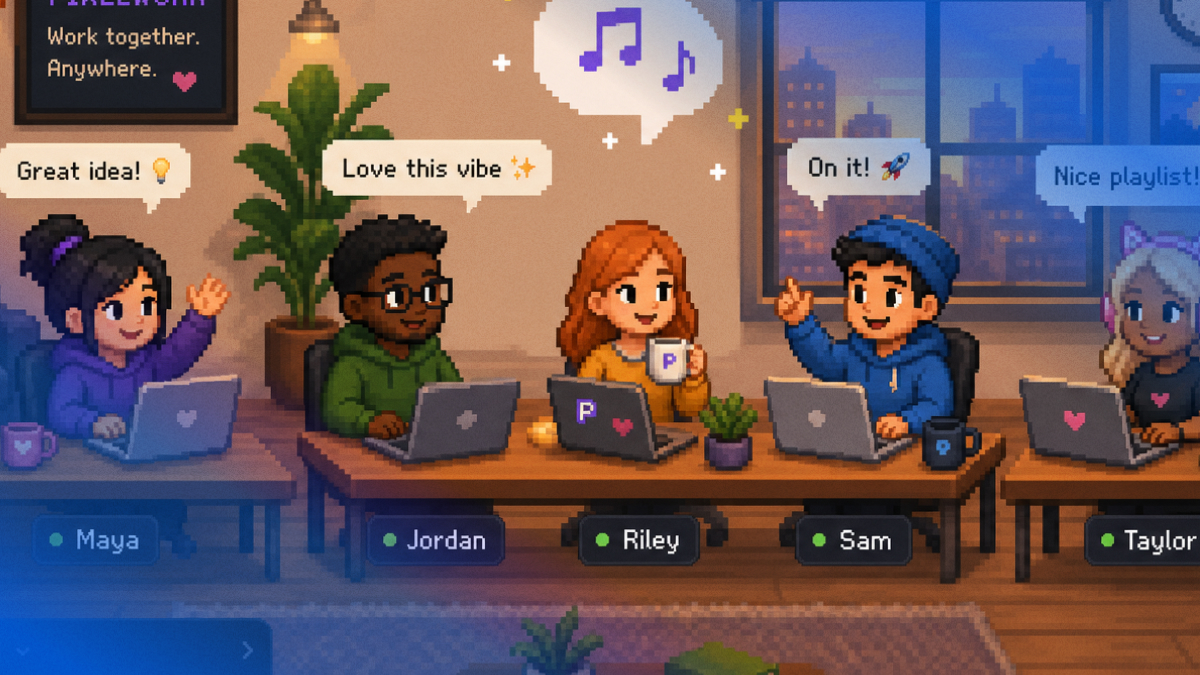
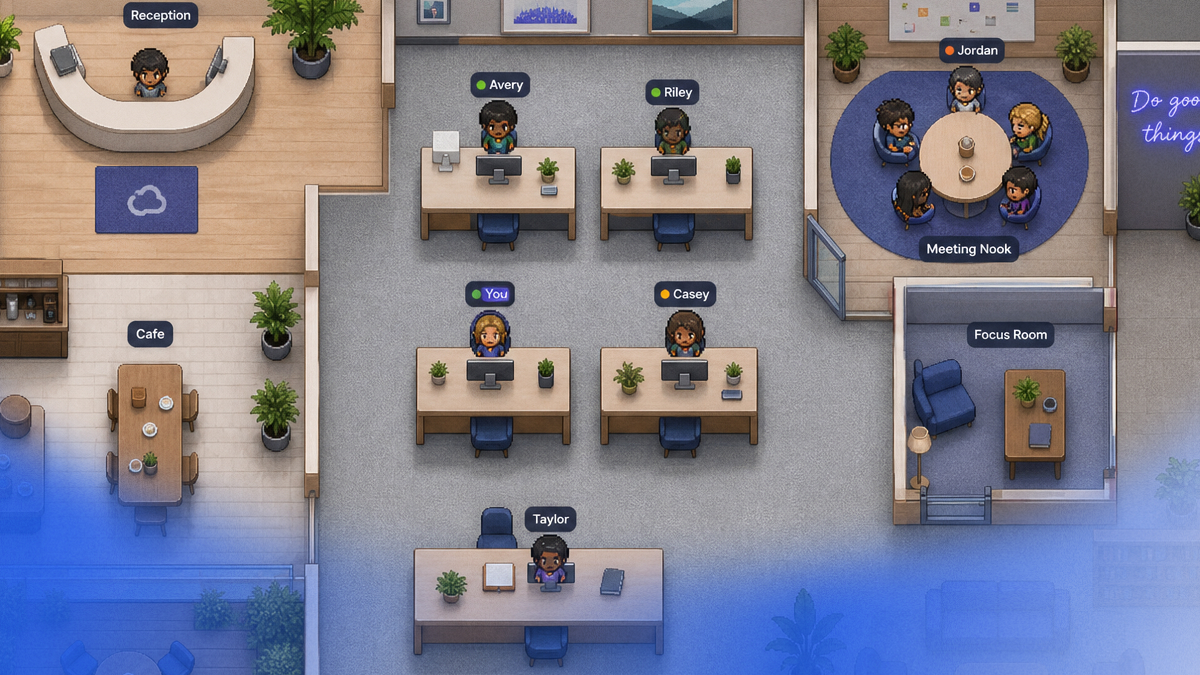
Virtual office platforms are digital environments designed to simulate the collaborative atmosphere of a physical workspace. Unlike traditional communication tools that rely on asynchronous messaging or pre-scheduled video conferences, these platforms focus on real-time presence and spontaneous interaction. By visualizing the digital workspace, virtual office platforms allow team members to see who is available, who is currently in a deep work session, and who is participating in a meeting. This visibility reduces the psychological distance between remote employees, making the digital experience feel more grounded and connected.
The core functionality of virtual office platforms revolves around live status indicators and instant accessibility. When a team member logs in, their avatar or profile becomes visible to the rest of the group. This transparency allows colleagues to initiate quick conversations without the friction of checking calendars or sending "Are you there?" messages. In 2026, the integration of high-speed data and refined user interfaces has made these tools essential for maintaining team cohesion in distributed environments.
How Virtual Office Platforms Enhance Remote Team Collaboration
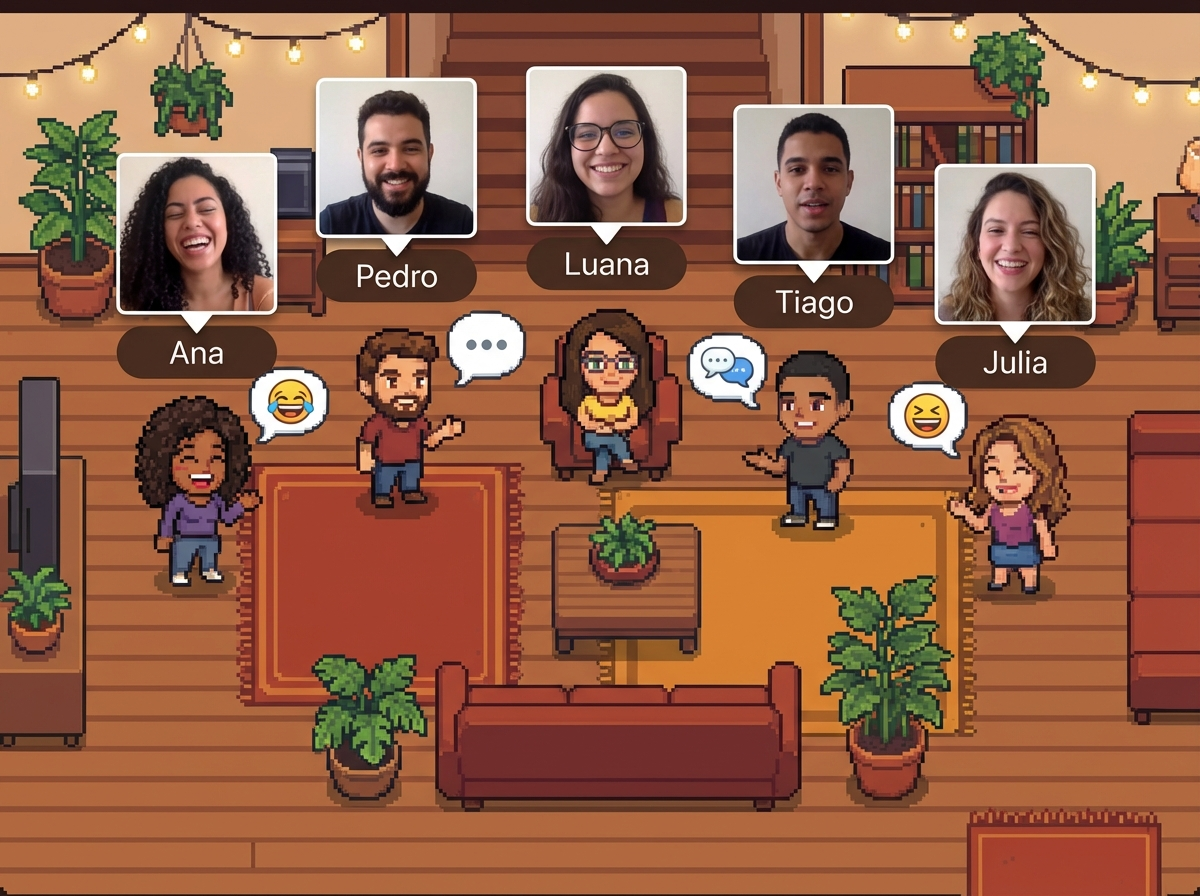
The primary goal of virtual office platforms is to eliminate the isolation often felt in remote work. By providing a shared visual context, these systems enable "corridor conversations"—those unplanned interactions that often lead to creative problem-solving. When using virtual office platforms, a developer can see that a designer is free and jump into a quick voice chat to clarify a UI element, mimicking the ease of turning around in a physical chair to ask a question.
Effective virtual office platforms categorize user states into distinct modes such as "Available," "Focus Mode," or "In a Meeting." This categorization helps manage team expectations and protects deep work cycles. For instance, Hurbly.ai specializes in this real-time presence technology, allowing users to see coworkers' current status instantly. By facilitating these informal engagements, virtual office platforms help teams reduce the "meeting fatigue" caused by over-scheduling, as many issues are resolved through brief, real-time syncs rather than thirty-minute video calls.
Key Features to Search for in Virtual Office Platforms
When evaluating different virtual office platforms, organizations should prioritize features that support both transparency and privacy. A robust platform should offer more than just a chat window; it should provide a comprehensive view of the team’s pulse. Key features often found in leading virtual office platforms include:
- Real-Time Presence Indicators: Visual cues that show exactly what a team member is doing at any given moment.
- Instant Audio/Video Zones: Areas where users can click to talk immediately without generating a meeting link.
- Focus Protection: Tools that allow users to signal they are busy, preventing interruptions during critical tasks.
- Spatial Awareness: A layout that represents the team in a way that feels like a shared office or neighborhood.
- Low-Friction Interaction: The ability to start a conversation with a single click, reducing the steps needed to collaborate.
These virtual office platforms are particularly relevant for freelancers and distributed organizations that need to maintain a high level of coordination across various time zones. By using virtual office platforms, companies can create a "digital headquarters" that serves as the central hub for all daily operations, ensuring that no one feels left out of the loop regardless of their physical location.
Comparing Traditional Communication Tools and Virtual Office Platforms
Traditional tools often create silos where communication is hidden within private threads or locked behind calendar invites. In contrast, virtual office platforms promote an "open-door" policy by default. The following table illustrates the functional differences between standard messaging apps and modern virtual office platforms:
| Feature | Traditional Messaging/Video Tools | Modern Virtual Office Platforms |
|---|---|---|
| Visibility | Hidden until a message is sent | Constant real-time presence |
| Interaction | Scheduled or asynchronous | Spontaneous and instant |
| Context | Requires manual status updates | Automated and visual status cues |
| Team Feel | Isolated tasks and threads | Shared digital environment |
| Spontaneity | Low (requires planning) | High (replicates office walk-ups) |
By implementing virtual office platforms, businesses move away from a reactive communication style toward a proactive one. Instead of waiting for a weekly sync, managers can use virtual office platforms to get a quick "vibe check" of the team’s progress and availability. This shift is crucial for maintaining momentum in fast-paced industries where delays in communication can lead to project bottlenecks.
Why Virtual Office Platforms are Essential for 2026 Workflows
As we move through 2026, the reliance on hybrid and fully remote models has solidified the role of virtual office platforms as a standard part of the corporate tech stack. These platforms solve the "visibility gap" that occurs when leadership cannot see the daily flow of work. Virtual office platforms provide a non-intrusive way to monitor team health and engagement. For example, Hurbly.ai provides the necessary infrastructure to see current statuses and start instant conversations, which is a hallmark of high-performing virtual office platforms.
The adoption of virtual office platforms also supports mental well-being by clearly defining the boundaries between being "at the desk" and "away." When a user logs out of these virtual office platforms, it sends a clear signal to the team that the workday has ended, helping to prevent burnout. Ultimately, virtual office platforms represent the next step in the digitalization of work, moving beyond simple tools toward a holistic environment that prioritizes human connection and efficient, real-time collaboration.