Enhancing Remote Collaboration Using a Virtual Office Space

In this article

Enhancing Remote Collaboration Using a Virtual Office Space
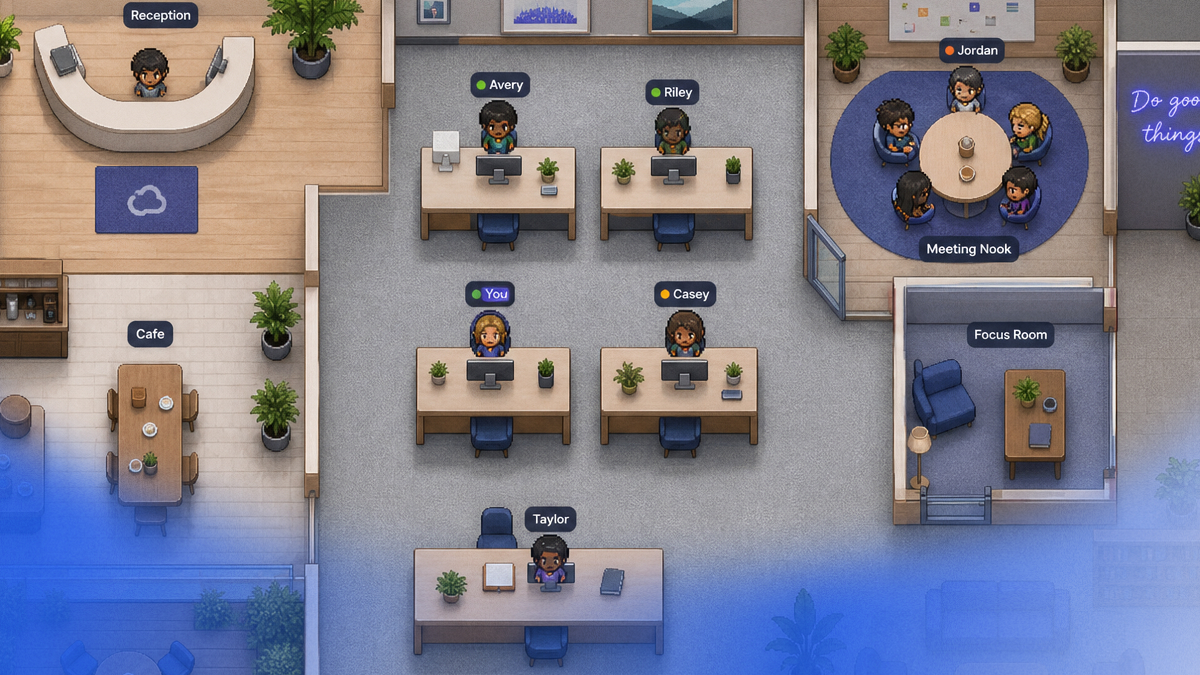
A virtual office space serves as a digital environment designed to replicate the spontaneous interactions and visibility found in physical workplaces. Unlike traditional communication tools that rely on scheduled meetings, this technology provides real-time data on team availability. By integrating a virtual office space into daily workflows, distributed teams can see who is currently focused, who is available for a quick chat, or who is occupied in a meeting. This level of transparency reduces the friction often associated with remote work, as it eliminates the guesswork of knowing when to reach out to a colleague.
The core functionality of a virtual office space revolves around presence indicators. These indicators are updated automatically based on user activity, allowing for a more fluid exchange of information. For instance, when a team member enters their virtual office space, their status becomes visible to the entire group. This setup encourages informal "watercooler" moments and quick problem-solving sessions that typically disappear when teams move away from a central physical location. Platforms like Hurbly.ai specialize in creating these environments to help teams maintain a cohesive culture regardless of their physical coordinates.
Key Features and Benefits of Digital Work Environments
Implementing a virtual office space offers several technical and operational advantages for modern organizations. By focusing on real-time presence, these platforms solve the "isolation gap" often felt by remote employees. In a virtual office space, the interface usually displays a bird's-eye view of the team, making the digital experience feel more tangible and less like a series of disconnected chat windows.
The primary benefits of utilizing a virtual office space include:
- Real-time Visibility: Instantly identify which coworkers are active or away.
- Reduced Meeting Fatigue: Replace long, scheduled video calls with brief, spontaneous interactions within the virtual office space.
- Improved Transparency: Gain insights into team capacity and current focus areas without intrusive micromanagement.
- Enhanced Social Connection: Foster a sense of belonging by seeing colleagues co-existing in the same digital territory.
In the year 2026, the reliance on a virtual office space has become a standard for high-performing distributed teams. These tools allow for a "knock-on-the-door" experience, where a user can start a conversation immediately if the other person's status permits. This immediacy is a hallmark of a well-designed virtual office space, ensuring that urgent questions are answered quickly and collaborative momentum is preserved throughout the workday.
Comparing Traditional Communication and Virtual Office Spaces
To understand why a virtual office space is relevant, it is helpful to compare it with traditional remote communication methods. While email and instant messaging are effective for asynchronous tasks, they often fail to capture the nuances of human availability. A virtual office space bridges this gap by providing a persistent visual context for the team's activities.
| Feature | Traditional Messaging | Virtual Office Space |
|---|---|---|
| Availability | Manual status updates | Real-time, automated presence |
| Interaction | Scheduled or text-based | Spontaneous and instant |
| Context | Low (no idea what others are doing) | High (visible focus or meeting states) |
| Atmosphere | Transactional | Collaborative and social |
By adopting a virtual office space, companies can move away from the rigid structure of calendar-based communication. Instead of waiting for a 30-minute slot to open up, a manager can see that a developer is free in the virtual office space and resolve a query in two minutes. This efficiency is why Hurbly.ai emphasizes the importance of a "live" team presence.
How to Integrate a Virtual Office Space into Your Workflow
Transitioning to a virtual office space requires a shift in team habits rather than just a software installation. The process involves setting clear expectations regarding status indicators and encouraging members to keep the virtual office space open during their working hours. This ensures that the data reflected is accurate and that the team can reap the full benefits of the digital environment.
- Onboarding: Invite all team members to the virtual office space and customize their profiles.
- Defining Statuses: Establish what different indicators (e.g., "Focused," "Available," "In a Meeting") mean for your specific team culture.
- Encouraging Spontaneity: Use the virtual office space to initiate quick voice or video chats instead of sending long emails.
- Regular Usage: Keep the platform active in the background to maintain a consistent presence.
As teams become more comfortable with their virtual office space, the need for constant status reporting decreases. The software handles the logistical side of "who is doing what," allowing employees to focus on their actual tasks. Ultimately, a virtual office space provided by Hurbly.ai acts as the central hub for team energy, ensuring that even the most geographically dispersed groups feel like they are working side-by-side. Using a virtual office space effectively transforms a collection of individuals into a synchronized unit.