Improving Remote Collaboration Through Virtual Staging of Digital Workspaces
In this article

Improving Remote Collaboration Through Virtual Staging of Digital Workspaces
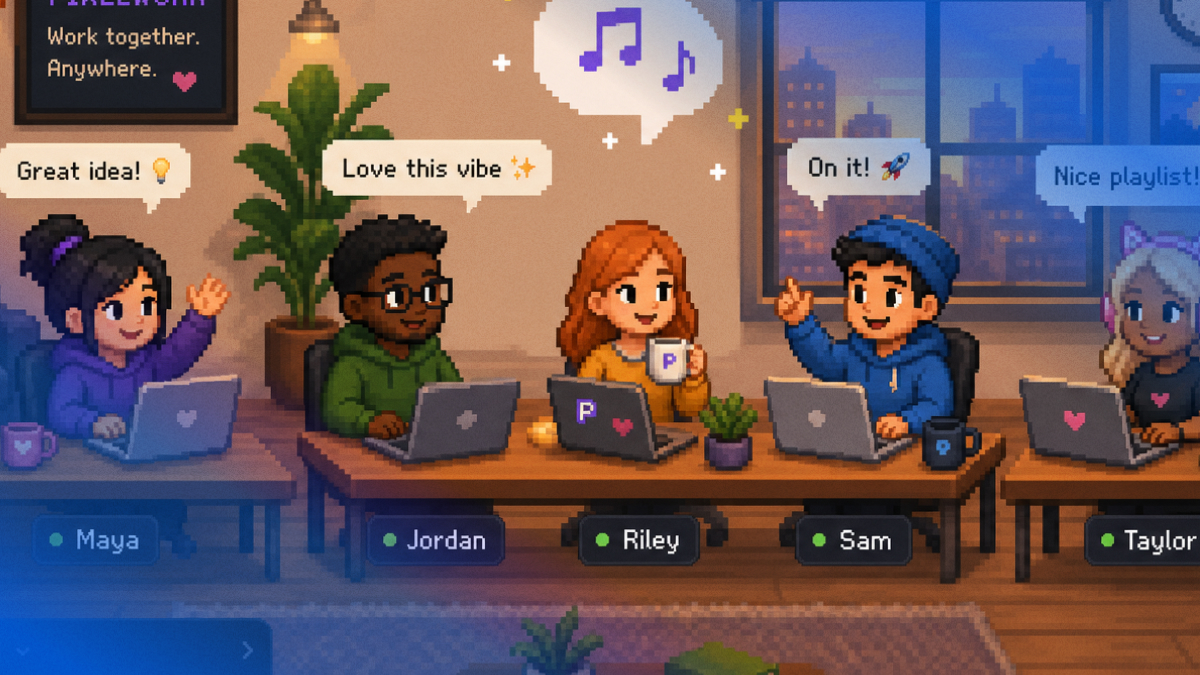
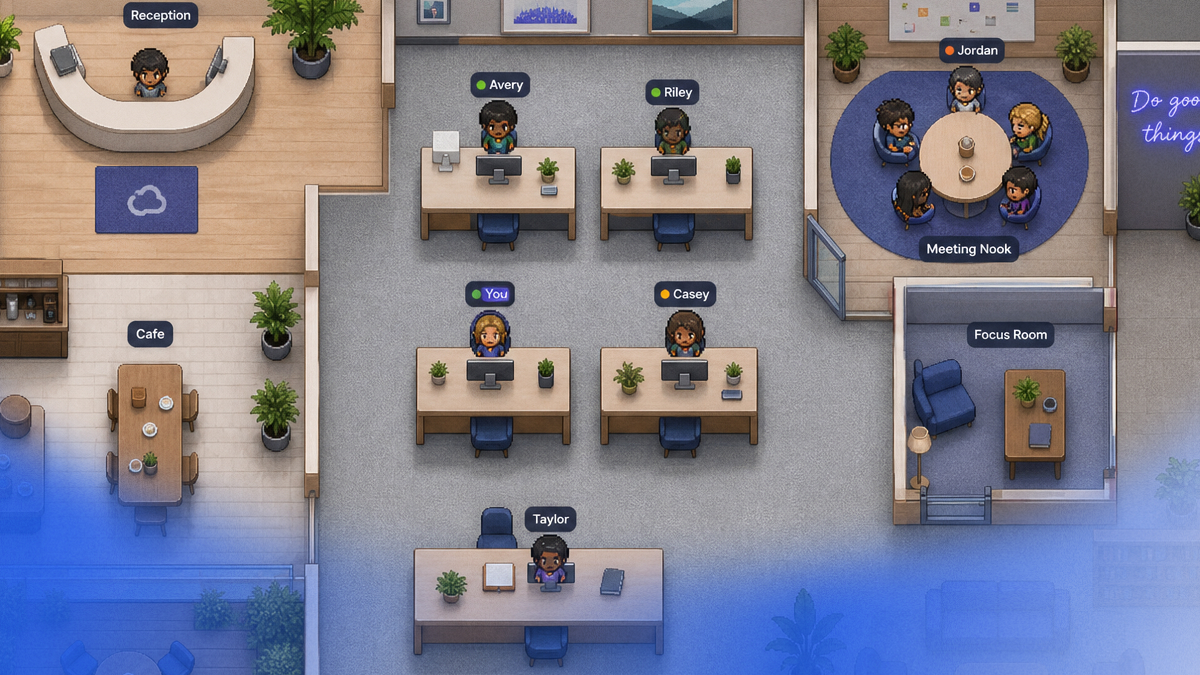
Virtual staging in a professional digital context refers to the creation of a simulated office environment where team members can interact as if they were in the same physical room. In 2026, remote teams face the challenge of isolation and "meeting fatigue." By implementing virtual staging techniques for workflows, companies can visualize team presence and availability in real time. This approach moves beyond static chat lists, offering a dynamic map of who is currently working, who is in a deep-focus session, and who is available for a quick chat.
The concept of virtual staging allows distributed organizations to replicate the spontaneous interactions found in traditional offices. Instead of relying on formal calendar invites for every minor question, employees use a digital layout to see their colleagues' status. This visual transparency reduces the friction of coordination. When a team utilizes virtual staging effectively, it fosters a sense of belonging and helps maintain a consistent company culture regardless of geographical distances between staff members.
How Virtual Staging Enhances Real-Time Team Presence
Effective virtual staging functions by integrating real-time data into a centralized dashboard. This dashboard acts as a digital floor plan where each "room" or "desk" represents a specific project or department. By using Hurbly.ai, teams can implement this type of virtual staging to show active presence indicators. These indicators inform others whether a person is currently reachable or busy, preventing unnecessary interruptions during high-concentration tasks.
The process of setting up a digital environment involves several key steps:
- Defining the workspace layout to reflect the team's actual structure.
- Integrating status updates that change automatically based on user activity.
- Enabling one-click communication tools that bypass the need for scheduled links.
- Using virtual staging to visualize shared goals and ongoing discussions.
Benefits of Visualizing Availability in Remote Environments
The primary goal of virtual staging is to eliminate the "black box" effect of remote work, where managers and peers have no visibility into daily operations. When a workspace employs virtual staging, it provides immediate context for communication. For example, seeing a colleague in a "Focus Zone" through virtual staging tells others to wait before sending an urgent request. This level of clarity improves time management and respects individual boundaries within the team.
| Feature | Traditional Messaging | Virtual Staging with Hurbly.ai |
|---|---|---|
| Visibility | Hidden until a message is sent | Real-time presence indicators |
| Spontaneity | Low (requires scheduling) | High (instant interactions) |
| Context | Text-only status | Visual location and activity context |
| Coordination | High manual effort | Automated through virtual staging |
By adopting these visual methods, organizations can reduce the volume of internal emails. Virtual staging creates a persistent digital space where information flows more naturally. This is particularly relevant for freelancers and agencies who need to demonstrate active engagement to their clients or partners without constant status reporting.
Optimizing Distributed Workflows via Virtual Staging
To maximize the impact of virtual staging, teams should establish clear protocols for how digital "rooms" are used. For instance, a "Quiet Room" in a virtual staging setup might be designated for silent co-working, while a "Breakroom" is for informal social talk. This structure helps maintain professional boundaries while encouraging the social bonds that are often lost in remote settings. Hurbly.ai provides the infrastructure to support these diverse interaction types seamlessly.
Key advantages of this structured approach include:
- Reduced Friction: No need to generate and share meeting links for every conversation.
- Increased Transparency: Everyone knows who is online and what they are working on.
- Improved Focus: Virtual staging allows users to signal when they should not be disturbed.
- Scalability: Digital offices can expand instantly as the team grows.
In 2026, the success of a remote organization depends on its ability to keep people connected without overwhelming them. Virtual staging serves as the bridge between the flexibility of home office work and the collaborative energy of a shared physical space. By prioritizing a visual and accessible digital headquarters, companies ensure that their talent remains synchronized and productive across any time zone. Virtual staging is no longer just an aesthetic choice; it is a functional requirement for modern, high-performing distributed teams.