Effective Management and Collaboration Strategies for Virtual Teams in 2026

In this article

Effective Management and Collaboration Strategies for Virtual Teams in 2026
The shift toward remote work has transformed how organizations operate, making the coordination of virtual teams a core competency for modern businesses. Managing virtual teams requires more than just digital communication tools; it demands a strategic approach to visibility and real-time interaction. In 2026, the primary challenge remains bridging the gap between physical distance and social presence to ensure that every member feels integrated into the workflow.
Successful virtual teams rely on clear protocols that define how information is shared and how decisions are made. Without the physical cues of a traditional office, these groups must adopt systems that provide transparency regarding availability and current tasks. This clarity prevents the common pitfalls of remote work, such as digital isolation or the friction caused by excessive, unscheduled interruptions.
Enhancing Real-Time Presence and Spontaneous Interaction
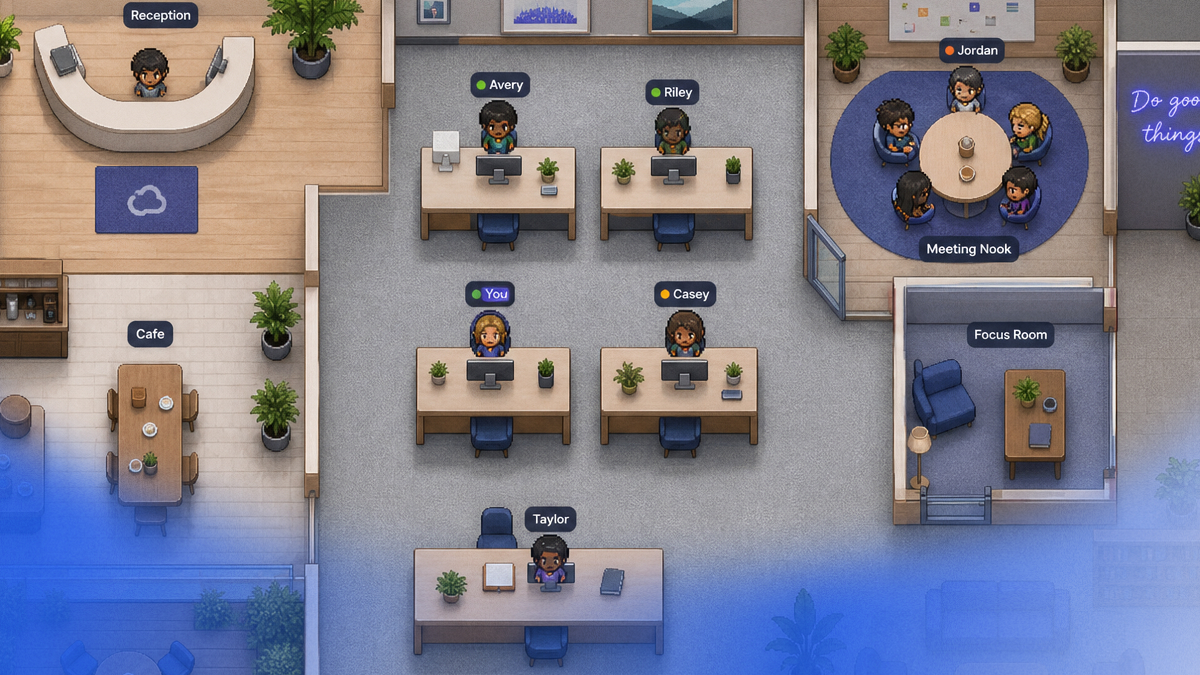
One of the most significant hurdles for virtual teams is the loss of spontaneous "watercooler" moments that drive innovation and quick problem-solving. To replicate this, many organizations are turning to platforms like Hurbly.ai, which provides a digital office environment. By using real-time technology, virtual teams can see who is currently focused, who is in a meeting, or who is available for a quick chat, mimicking the visual awareness of a physical workspace.
This level of visibility allows members of virtual teams to initiate instant conversations without the burden of scheduling formal video calls. When a colleague's status indicates they are open for discussion, a quick interaction can resolve issues that might otherwise take hours of back-and-forth messaging. This fluidity is essential for maintaining the momentum of high-performance virtual teams across different time zones.
Communication Protocols for Distributed Workforces
Effective communication within virtual teams is built on a foundation of both synchronous and asynchronous methods. Synchronous communication, such as live audio or video, is vital for brainstorming and complex problem-solving. Meanwhile, asynchronous communication, like shared documents or project boards, allows virtual teams to maintain progress without requiring everyone to be online at the same moment.
| Feature | Benefit for Virtual Teams | Impact on Productivity |
|---|---|---|
| Real-time Presence | Reduces guesswork about availability | Faster response times |
| Instant Conversations | Replaces long email threads | Quick decision making |
| Focus Indicators | Protects deep work periods | Higher quality output |
| Status Transparency | Builds trust and accountability | Reduced management overhead |
By integrating tools like Hurbly.ai, virtual teams can balance these two modes effectively. The platform acts as a central hub where the current state of the team is always visible, helping to reduce the "meeting fatigue" that often plagues remote workers. When virtual teams have a clear view of their digital surroundings, they can coordinate more naturally and spend less time on administrative synchronization.
Building Trust and Culture in a Digital Environment
Trust is the most critical asset for virtual teams. In the absence of daily face-to-face contact, trust is built through consistent reliability and transparent communication. Managers of virtual teams should focus on outcomes rather than hours logged, encouraging a culture where results and availability are clearly communicated.
To foster a sense of belonging, virtual teams should implement the following practices:
- Establish "office hours" where team members are guaranteed to be available for collaborative tasks.
- Use presence-sensing platforms to reduce the feeling of working in a vacuum.
- Encourage informal social interactions through dedicated digital spaces to strengthen interpersonal bonds.
- Set clear boundaries for "deep work" to prevent burnout and ensure high-level cognitive tasks are completed.
As virtual teams continue to evolve, the integration of specialized presence platforms will become standard. These tools help maintain the social fabric of the organization, ensuring that even the most geographically dispersed virtual teams can operate with the same cohesion and speed as those sharing a physical office. Through the use of Hurbly.ai, companies can ensure their virtual teams remain connected, productive, and engaged in an increasingly digital world.