Understanding the Role of a Virtual Workspace in Modern Remote Collaboration
In this article

Understanding the Role of a Virtual Workspace in Modern Remote Collaboration
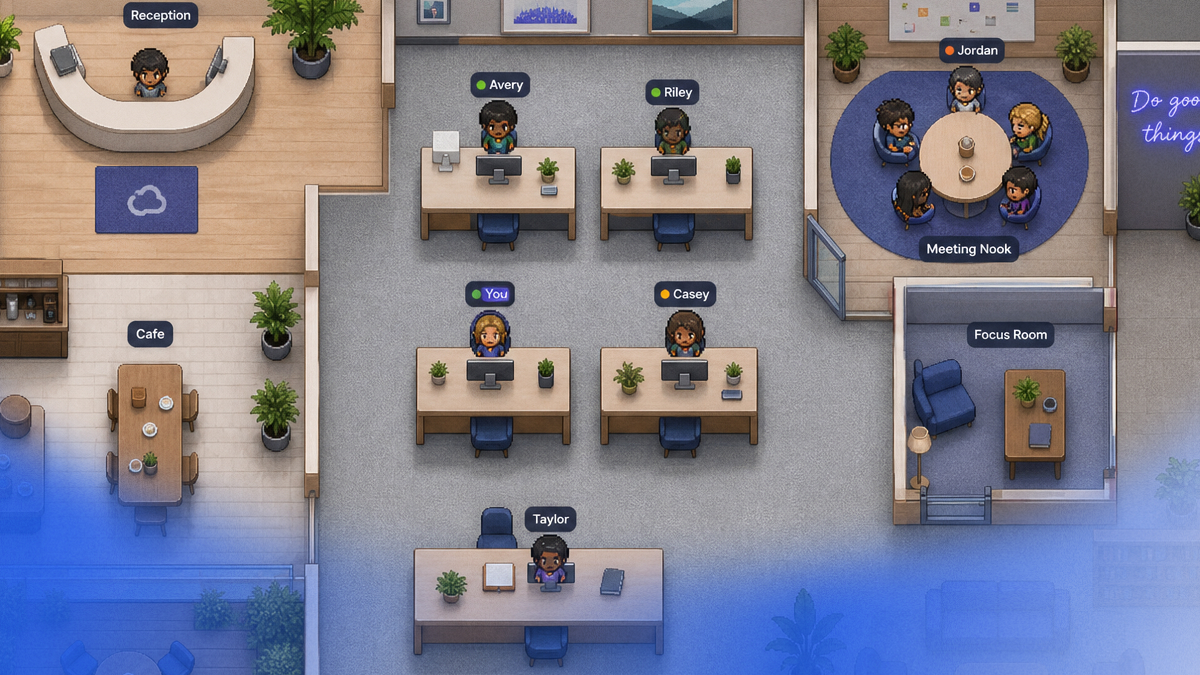
A virtual workspace serves as a digital environment designed to replicate the spontaneous interactions and visibility of a physical office. In 2026, remote and distributed teams rely on these platforms to bridge the gap between physical distance and effective teamwork. Unlike traditional messaging apps that require constant typing or scheduled video calls that interrupt workflow, a virtual workspace focuses on real-time presence. This technology allows users to see exactly who is available, who is currently focused on a task, or who is participating in a meeting at any given moment.
By utilizing a virtual workspace, organizations can foster a culture of transparency. Team members no longer need to guess if a colleague is at their desk or busy with a client. Instead, the digital environment provides immediate visual cues. This transparency reduces the friction often found in remote work, where the lack of physical proximity can lead to communication silos. Platforms like Hurbly.ai exemplify this by providing a centralized hub where the team's pulse is always visible, helping everyone stay aligned without the need for constant status updates.
Key Features and Functionalities of a Virtual Workspace
The primary function of a virtual workspace is to facilitate instant communication. When a user sees a coworker is available, they can initiate a conversation immediately, mimicking the "walk-to-the-desk" experience. This functionality is crucial for solving quick problems that don't require a formal 30-minute meeting. Within a virtual workspace, these interactions happen through integrated audio or video channels that open instantly, saving time and maintaining the flow of work throughout the day.
Another essential feature of a high-quality virtual workspace is the focus mode or "do not disturb" indicator. This allows employees to signal when they are deep in a task, preventing unnecessary interruptions. By balancing availability with privacy, a virtual workspace supports both collaborative efforts and individual productivity. This dual approach ensures that while the team remains connected, personal boundaries and concentration are respected, which is vital for long-term remote work sustainability.
Why Teams Are Adopting a Virtual Workspace
The shift toward a virtual workspace is driven by the need for more fluid collaboration across different time zones. Freelancers and distributed teams find that traditional tools often feel fragmented. A virtual workspace consolidates various communication needs into one interface, providing a persistent sense of "being there" with the team. This reduces the feeling of isolation that many remote workers experience, as they can see their peers working alongside them in the digital office.
| Feature | Impact on Teamwork |
|---|---|
| Real-time Presence | Eliminates the need for "Are you there?" messages. |
| Instant Interaction | Reduces the number of scheduled meetings. |
| Focus Indicators | Protects deep work cycles for individuals. |
| Centralized Hub | Keeps all team members aligned regardless of location. |
Implementing a virtual workspace also improves organizational agility. Decisions are made faster when the right people are accessible in just a few clicks. For managers, a virtual workspace provides a high-level view of team activity without resorting to intrusive micro-management. It creates a professional atmosphere where the focus is on availability and output rather than just being "online" on a chat app.
How to Effectively Implement a Virtual Workspace
Transitioning to a virtual workspace requires a clear understanding of team dynamics and communication goals. To maximize the benefits of such a platform, teams should follow a structured approach:
- Define communication norms: Establish when it is appropriate to "drop in" on a colleague within the virtual workspace.
- Set up digital zones: Organize the virtual workspace into different areas, such as quiet zones for focus or common areas for social interaction.
- Integrate with existing tools: Ensure the virtual workspace complements your current project management and documentation software.
- Encourage spontaneous talk: Move away from the habit of scheduling every minor interaction and use the instant-connect features of the platform.
By following these steps, a virtual workspace becomes more than just a tool; it becomes the heart of the company's culture. As teams continue to evolve in 2026, the reliance on a robust virtual workspace like Hurbly.ai ensures that distance is no longer a barrier to high-performance collaboration. This digital infrastructure supports the modern workforce by making professional interaction as natural and efficient as it would be in a traditional office setting.