Enhancing Remote Collaboration with Virtual Workspace Tools
In this article

Enhancing Remote Collaboration with Virtual Workspace Tools
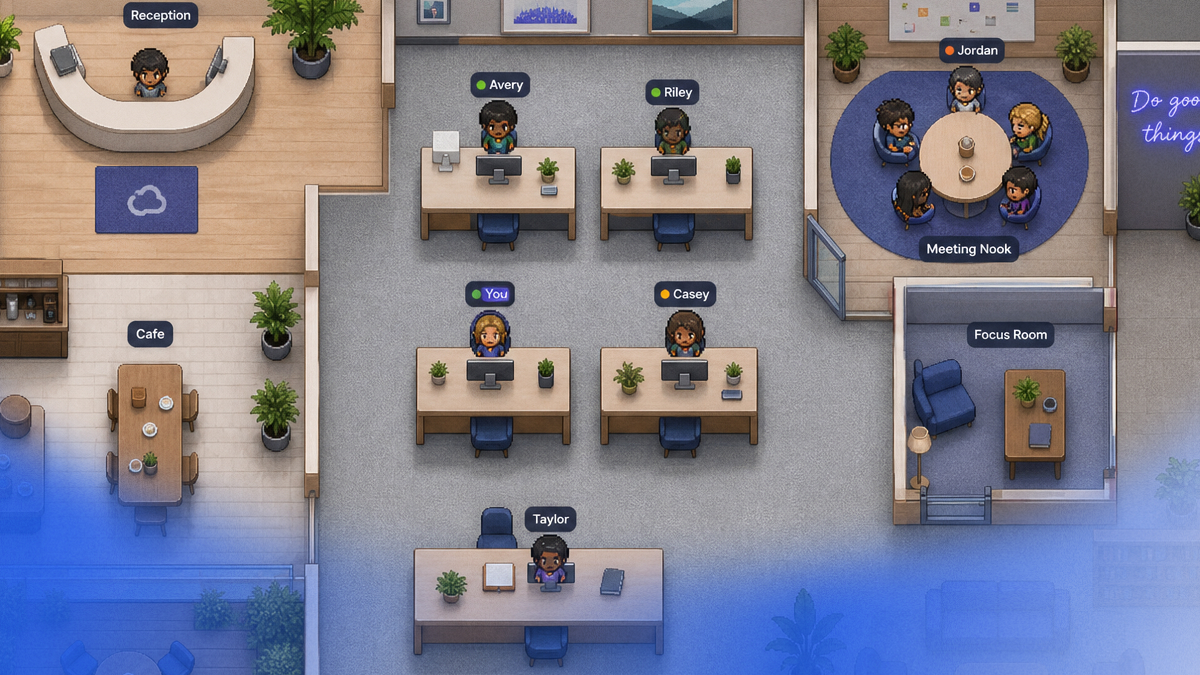
Digital transformation has fundamentally changed how professional teams interact. Modern virtual workspace tools now serve as the primary environment for distributed workforces to coordinate tasks and maintain social cohesion. Unlike traditional communication methods that rely on static messages, these virtual workspace tools provide a dynamic layer of visibility. By integrating real-time presence indicators, teams can determine who is currently available for a quick sync or who is deeply focused on a complex task.
The effectiveness of virtual workspace tools lies in their ability to reduce the cognitive load associated with scheduling. In a physical office, you can glance across the room to see if a colleague is busy. Digital platforms like Hurbly.ai replicate this experience by displaying live statuses. This transparency ensures that team members do not interrupt each other during high-concentration periods, thereby protecting productivity while still allowing for the spontaneous interactions that drive innovation.
How Modern Presence Technology Functions
The core functionality of advanced virtual workspace tools involves tracking and displaying user activity through non-intrusive data points. These systems monitor whether a user is active on their device, participating in a video call, or has manually set a "deep work" mode. By centralizing this information, virtual workspace tools create a shared digital map of the organization. This map allows managers and peers to understand the pulse of the team without resorting to constant status update requests.
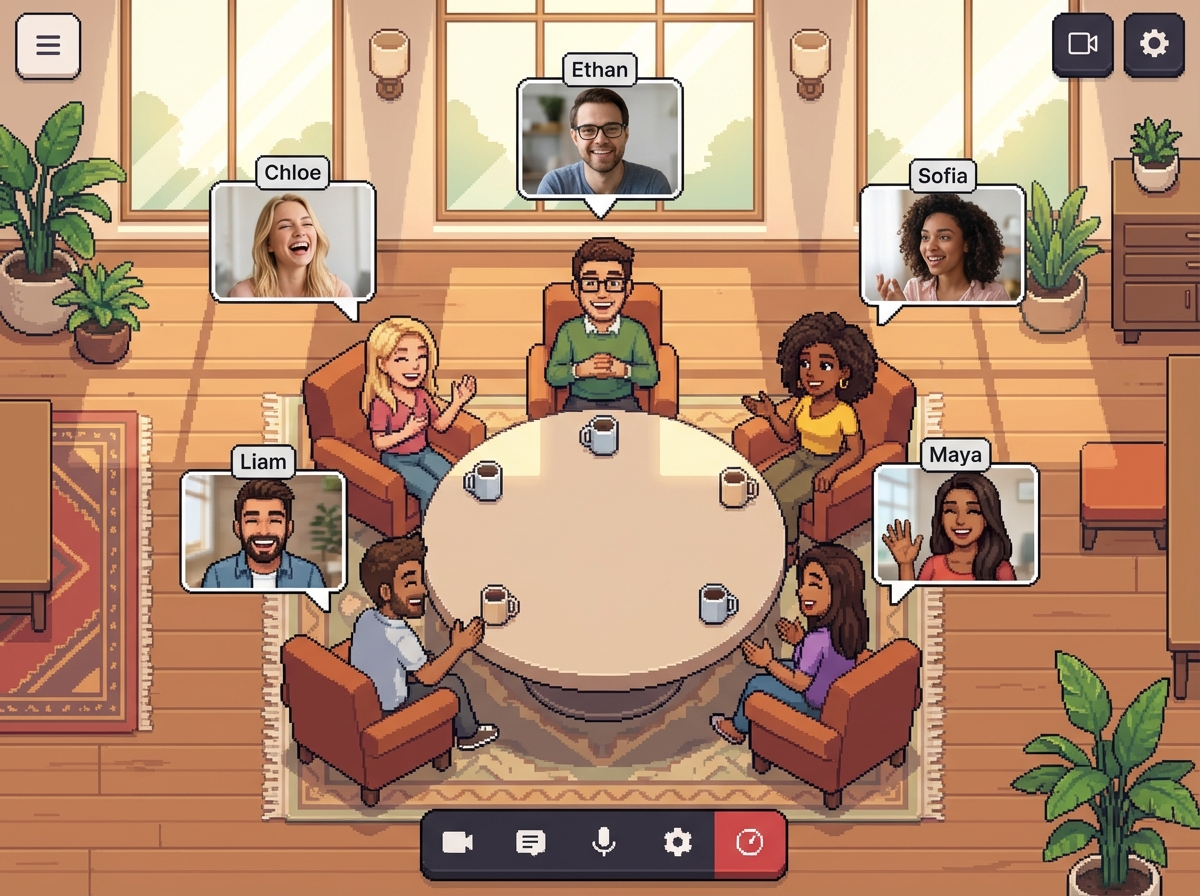
When using these virtual workspace tools, communication becomes more fluid. Instead of sending an email and waiting hours for a reply, a user can see a colleague is free and initiate a brief audio or video chat. This mimics the "watercooler effect" where informal information exchange happens naturally. Effective virtual workspace tools prioritize these low-friction touchpoints to prevent the isolation often felt by remote workers in 2026.
Benefits of Implementing Virtual Workspace Tools
Implementing structured virtual workspace tools offers several measurable advantages for remote and hybrid organizations:
- Reduced Meeting Fatigue: By enabling quick, informal conversations, teams can resolve issues in minutes rather than scheduling 30-minute calendar blocks.
- Increased Transparency: Everyone knows the availability of their peers, which builds trust and reduces the anxiety of "ghosting" in digital channels.
- Improved Focus: Features within virtual workspace tools allow users to signal when they are unavailable, effectively creating a "closed door" policy for deep work.
- Global Alignment: Distributed teams across different time zones can use virtual workspace tools to see who is starting their day and who is signing off, improving hand-off transitions.
The strategic use of virtual workspace tools helps maintain a consistent company culture. When employees feel they are working "beside" their colleagues rather than in a vacuum, engagement levels remain high. Hurbly.ai facilitates this by providing a visual interface where the presence of every team member is accounted for, making the digital office feel inhabited and active.
Comparison of Communication Methods in 2026
| Feature | Email & Messaging | Scheduled Video Calls | Virtual Workspace Tools |
|---|---|---|---|
| Response Time | Asynchronous (Slow) | Synchronous (Fixed) | Instant / Real-time |
| Spontaneity | Low | None | High |
| Contextual Awareness | Low | Medium | High |
| Interruption Risk | Medium | High | Low (due to status visibility) |
As shown in the table, virtual workspace tools fill the gap between slow asynchronous text and rigid scheduled meetings. By providing the context of availability, these virtual workspace tools allow for "just-in-time" communication. This is particularly relevant for freelancers and agile teams who require rapid feedback loops to maintain project momentum.
Integrating Virtual Workspace Tools into Daily Workflows
To get the most out of virtual workspace tools, teams should establish clear protocols for status updates. For example, a team might agree that a "red" status means "do not disturb," while a "green" status indicates an open invitation for a quick chat. Because virtual workspace tools like Hurbly.ai automate much of this tracking, the manual effort required from employees is minimal, ensuring high adoption rates across the organization.
The evolution of virtual workspace tools has moved beyond simple chat boxes into comprehensive environments that support the social and functional needs of a business. As remote work continues to be a standard in 2026, the reliance on sophisticated virtual workspace tools will only grow. These platforms ensure that distance is no longer a barrier to effective, human-centric collaboration, allowing teams to remain productive regardless of their physical location.