Effective Strategies for Modern Web Conferencing in 2026
In this article

Effective Strategies for Modern Web Conferencing in 2026
Web conferencing has evolved into a fundamental pillar of professional communication, allowing teams to collaborate across different time zones without physical boundaries. At its core, this technology enables real-time audio, video, and data sharing through internet-connected devices. By using specialized software, participants can join virtual rooms to discuss projects, share screens, and make decisions collectively. The primary goal of web conferencing is to bridge the gap between remote locations, ensuring that information flows as freely as it would in a traditional office setting.
The technical foundation of web conferencing involves transmitting data packets across the web to synchronize voice and image. Modern systems prioritize low latency and high-definition clarity to prevent communication lag. This is particularly relevant for businesses that rely on frequent updates and rapid decision-making. As we move through 2026, the focus has shifted from merely having a video connection to creating an environment where digital interactions feel natural and productive. High-quality web conferencing reduces the need for expensive travel and speeds up the development cycle of complex products.
Enhancing Team Presence and Real-Time Interaction
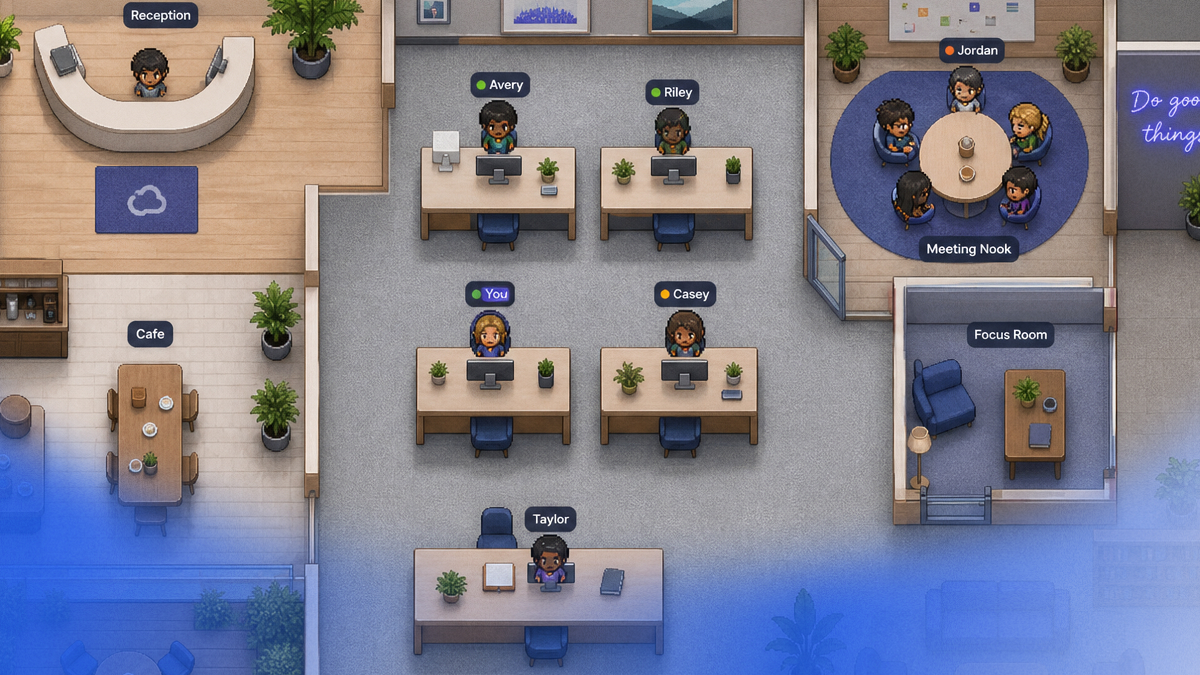
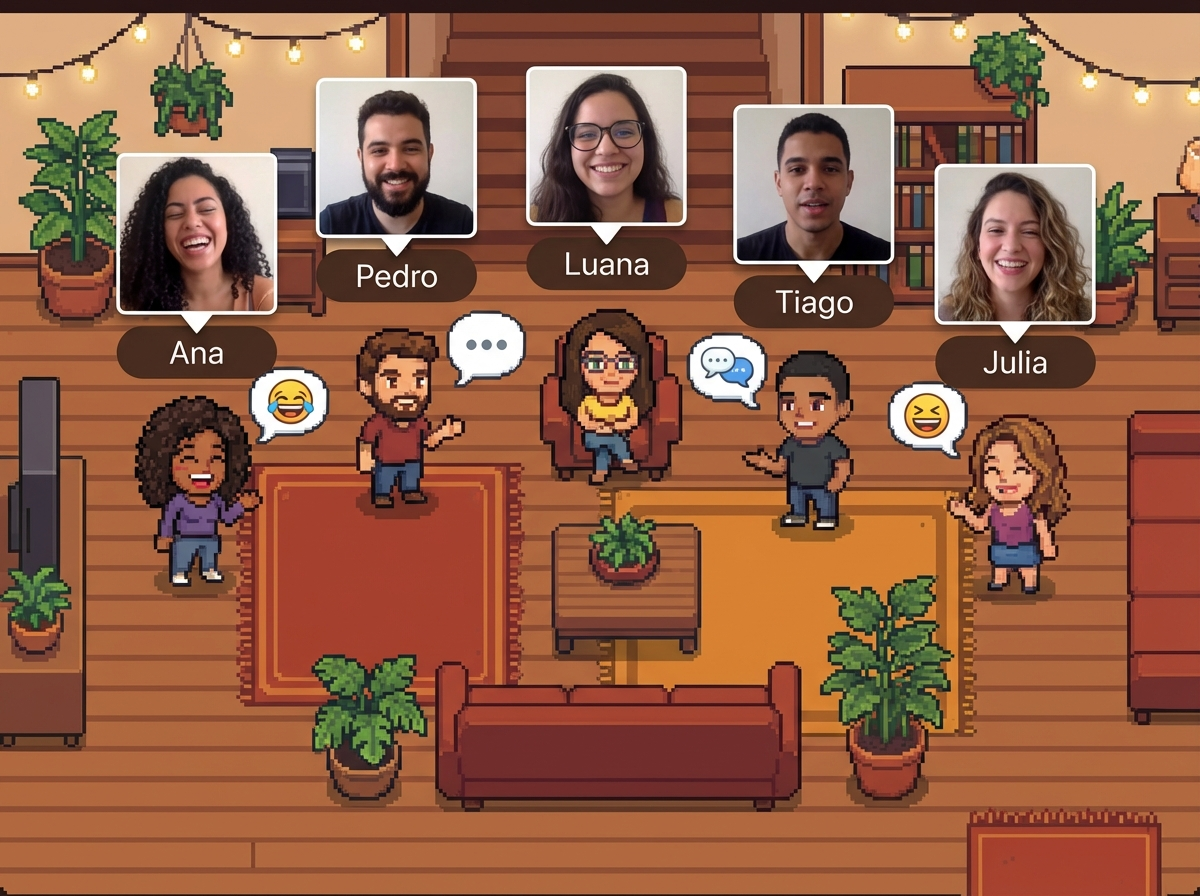
While traditional web conferencing is excellent for structured meetings, remote teams often face challenges with spontaneous communication. This is where Hurbly.ai provides significant value by offering a virtual office layer that complements your communication stack. Instead of waiting for a scheduled session, team members can see who is available or focused in real-time. This visibility reduces the friction often associated with starting a web conferencing call, as users can identify the best moment to engage a colleague without interrupting deep work.
To maintain a high level of team cohesion, it is essential to integrate presence indicators with your standard web conferencing tools. This integration allows for a more fluid transition between a quick chat and a full-featured video discussion. When a team understands the availability of its members, the frequency of unnecessary pings decreases, and the quality of each web conferencing interaction improves. Effective collaboration in 2026 depends on this balance between being accessible and staying focused on individual tasks.
Key Features of Productive Web Conferencing Systems
A robust web conferencing setup requires more than just a camera and a microphone. To facilitate professional-grade information exchange, several technical features must be present. These features ensure that the data shared during a session is secure, accessible, and easy to review later.
- Interactive Screen Sharing: Allows multiple participants to demonstrate workflows or review documents simultaneously.
- Real-time Transcription: Converts spoken word into searchable text, making web conferencing sessions easier to index for future reference.
- Virtual Whiteboards: Provides a shared space for brainstorming and visualizing concepts during a live web conferencing event.
- End-to-End Encryption: Protects sensitive corporate data from unauthorized access during transmission.
Beyond these features, the success of web conferencing depends on the stability of the platform. Reliable systems automatically adjust video quality based on the user's internet speed to prevent total disconnection. This adaptability is crucial for global teams where bandwidth may vary significantly between regions. By prioritizing these technical aspects, organizations can ensure that their web conferencing efforts lead to tangible business outcomes rather than technical frustration.
Best Practices for Remote Collaboration in 2026
To maximize the utility of web conferencing, teams should adopt specific protocols that respect everyone's time and cognitive load. Clear agendas should be distributed before any significant web conferencing session begins to ensure all participants are prepared. During the meeting, using "mute" functions when not speaking helps eliminate background noise, which is a common distraction in remote environments. Furthermore, recording sessions allows absent members to catch up on the web conferencing details at their own pace, maintaining transparency across the board.
Another vital aspect of modern remote work is the reduction of "meeting fatigue." Constant web conferencing can lead to exhaustion if not managed correctly. Using platforms like Hurbly.ai helps mitigate this by encouraging shorter, more informal interactions that don't always require a formal invitation. When teams can see each other's status, they can opt for a quick audio huddle instead of a lengthy web conferencing appointment. This approach preserves energy and keeps the team focused on high-priority objectives throughout the work week.
Comparing Communication Methods for Distributed Teams
| Method | Best Use Case | Impact on Productivity |
|---|---|---|
| Web Conferencing | Deep dives, formal presentations, and complex problem-solving. | High for decision-making; can be draining if overused. |
| Instant Messaging | Quick questions, link sharing, and non-urgent updates. | Low interruption; can lead to fragmented information. |
| Virtual Office (Hurbly.ai) | Spontaneous collaboration and maintaining team presence. | High for social cohesion and reducing meeting overhead. |
| Asynchronous Video | Status updates across vastly different time zones. | Good for flexibility; lacks real-time feedback. |
Choosing the right tool for the task is essential for operational efficiency. While web conferencing remains the gold standard for high-stakes communication, it works best when supported by a culture of transparency. By analyzing the specific needs of a project, managers can decide whether a full web conferencing session is necessary or if a simpler interaction will suffice. This strategic selection of communication channels is a hallmark of successful distributed organizations in 2026.