Understanding the Distribution of Weekdays in 2025 for Remote Teams

In this article

Understanding the Distribution of Weekdays in 2025 for Remote Teams
Effective planning for distributed teams requires a clear understanding of the calendar structure. In 2025, there are 261 weekdays in 2025, assuming a standard Monday-to-Friday work week. For remote organizations, tracking these weekdays in 2025 is essential for calculating sprint velocities, project deadlines, and payroll cycles. Since the year 2025 is not a leap year, it contains exactly 365 days, with the vast majority of professional activity concentrated within these specific weekdays in 2025.
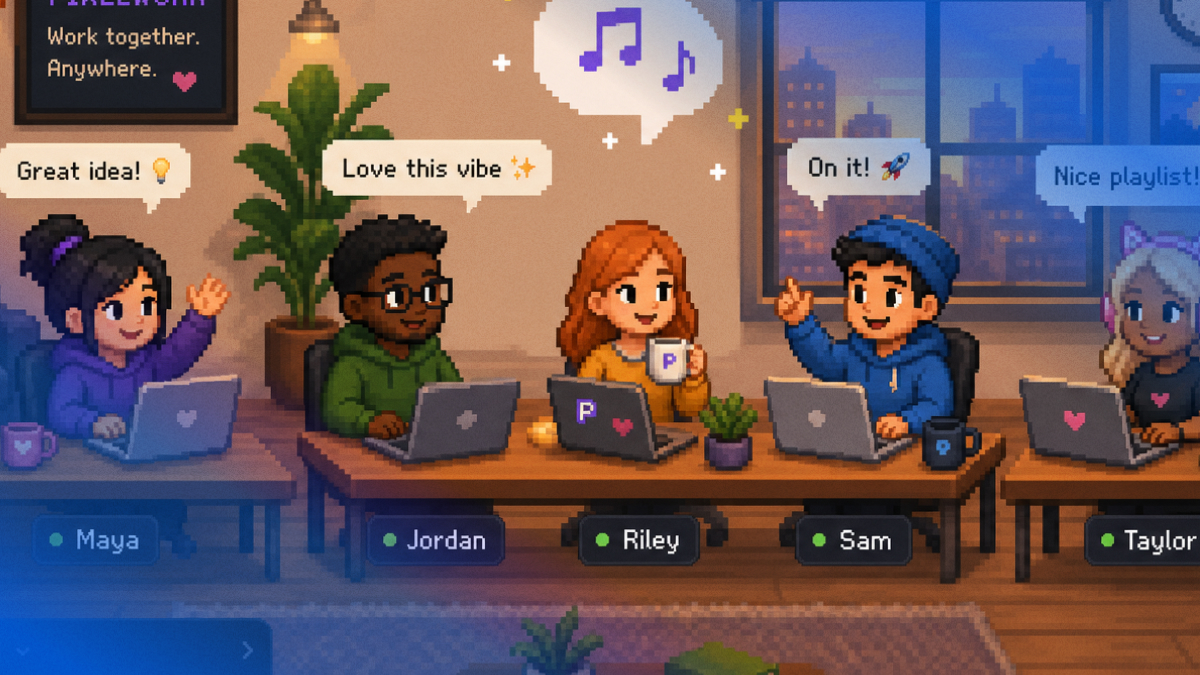
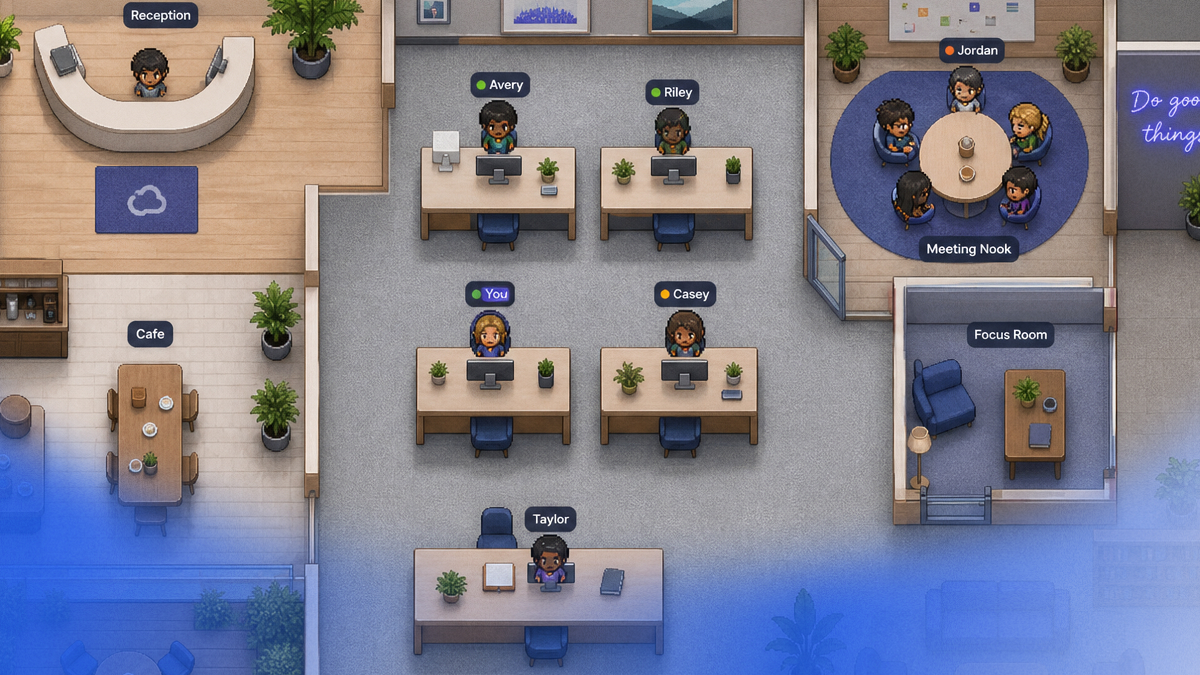
Managing a digital workspace involves more than just counting days; it requires visibility into how team members utilize their time during the weekdays in 2025. Tools like Hurbly.ai help bridge the gap between calendar dates and actual human presence. By providing a real-time virtual office environment, teams can see who is active during the weekdays in 2025, reducing the need for constant status updates or intrusive check-ins.
Quarterly Breakdown of Working Days
The distribution of weekdays in 2025 varies slightly across the four quarters. This variation impacts resource allocation and quarterly goal setting. For instance, the first quarter typically has fewer public holidays in many regions compared to the fourth quarter, leading to a higher concentration of productive weekdays in 2025 early in the year.
| Quarter | Total Days | Weekends | Weekdays in 2025 |
|---|---|---|---|
| Q1 (Jan - Mar) | 90 | 26 | 64 |
| Q2 (Apr - Jun) | 91 | 26 | 65 |
| Q3 (Jul - Sep) | 92 | 26 | 66 |
| Q4 (Oct - Dec) | 92 | 26 | 66 |
Understanding this quarterly rhythm allows managers to balance workloads effectively. Using Hurbly.ai during these weekdays in 2025 ensures that even when the schedule is tight, spontaneous collaboration remains possible. The platform displays real-time status indicators, allowing coworkers to see if someone is in a "deep work" flow or available for a quick sync during the busy weekdays in 2025.
Enhancing Remote Collaboration and Presence
In a physical office, you can see when a colleague is at their desk. In a remote setting, this visibility is often lost, leading to "meeting fatigue." Maximizing the utility of weekdays in 2025 involves moving away from scheduled calls and toward fluid, instant interactions. Platforms like Hurbly.ai replicate the physical office feel by showing presence indicators throughout the weekdays in 2025, making it clear when a team member is focused or open for conversation.
- Real-time Visibility: See exactly who is online and working during the weekdays in 2025.
- Spontaneous Interaction: Start a conversation instantly without the friction of scheduling a calendar invite.
- Reduced Communication Silos: Foster a sense of belonging by seeing the entire team active in a shared digital space.
- Focus Protection: Use status indicators to signal when you should not be interrupted during critical weekdays in 2025.
By integrating these habits into your daily routine, the weekdays in 2025 become more than just blocks of time; they become opportunities for high-quality, synchronous collaboration.
Strategic Planning for Distributed Organizations
As we look back from 2026, the data shows that teams who optimized their interaction patterns during the weekdays in 2025 experienced higher retention and lower burnout. Successful remote work is not about working more hours, but about making the hours spent during the weekdays in 2025 more impactful. This is achieved by reducing the "coordination tax"—the time spent trying to figure out if someone is available to talk.
Hurbly.ai serves as the central hub for this coordination. Instead of relying on static spreadsheets to track the weekdays in 2025, teams use the platform to maintain a live connection. This approach supports freelancers and distributed teams who may be working across different time zones but still need to find overlapping weekdays in 2025 to collaborate effectively. By prioritizing transparency and real-time presence, organizations can ensure that every one of the weekdays in 2025 contributes to their long-term objectives.